A broker’s OS
An operating system for a talent broker. A sound record, in the service of the wrong business.
- In the archive
- A working prototype, 20 screens
- Made
- September 2026
- Screens kept
- 20
- Status
- Archived. I no longer work on it
What it was
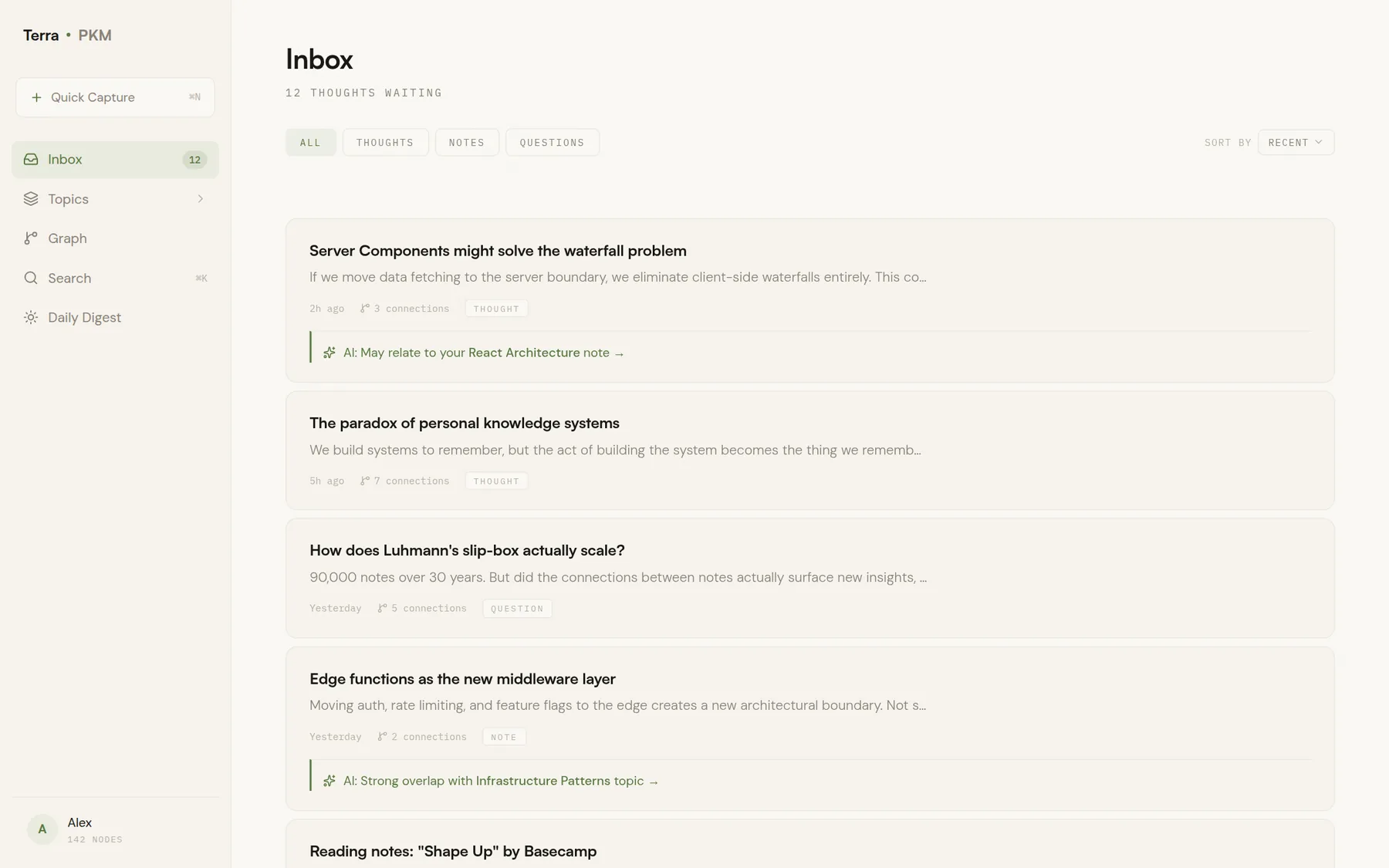
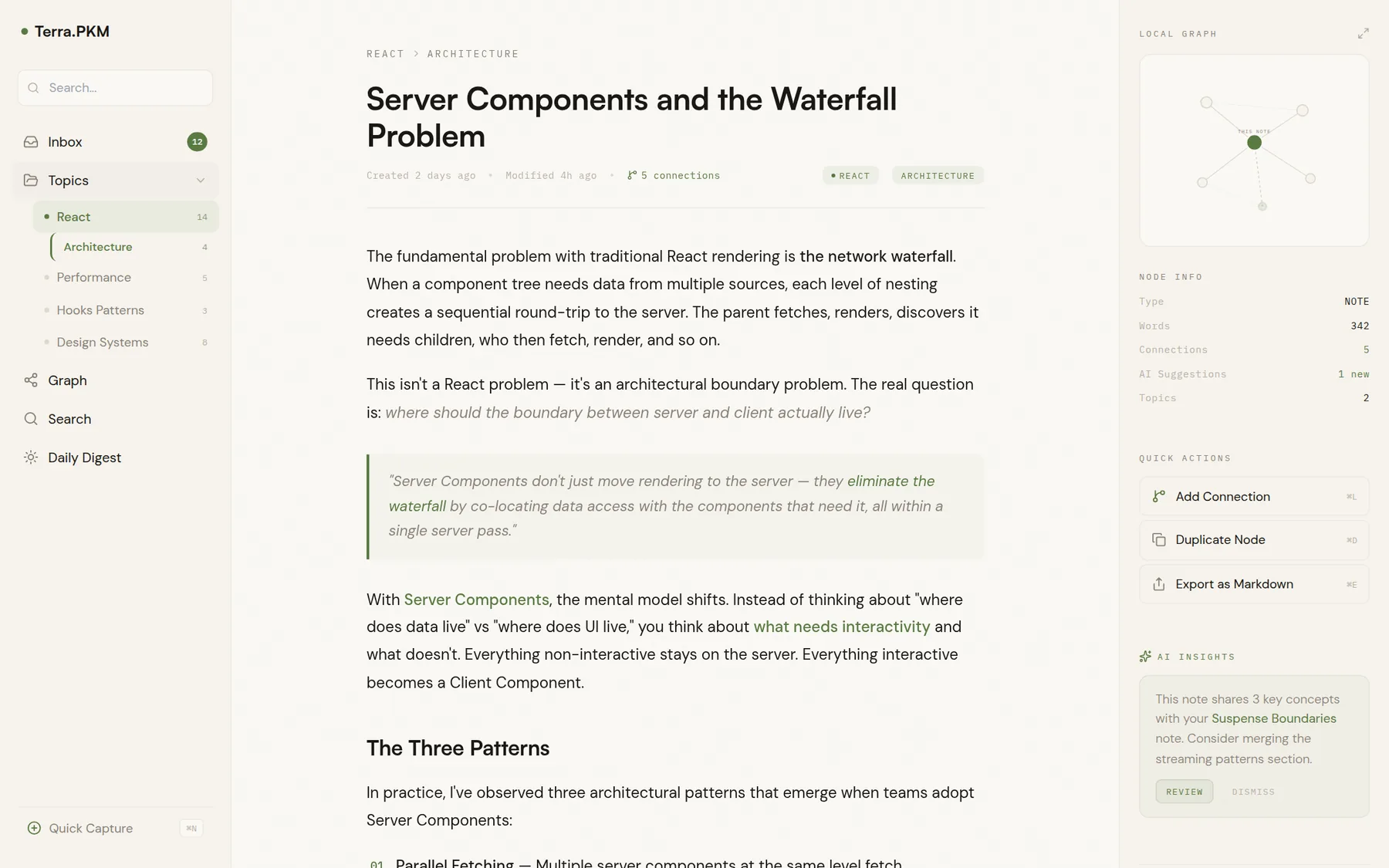
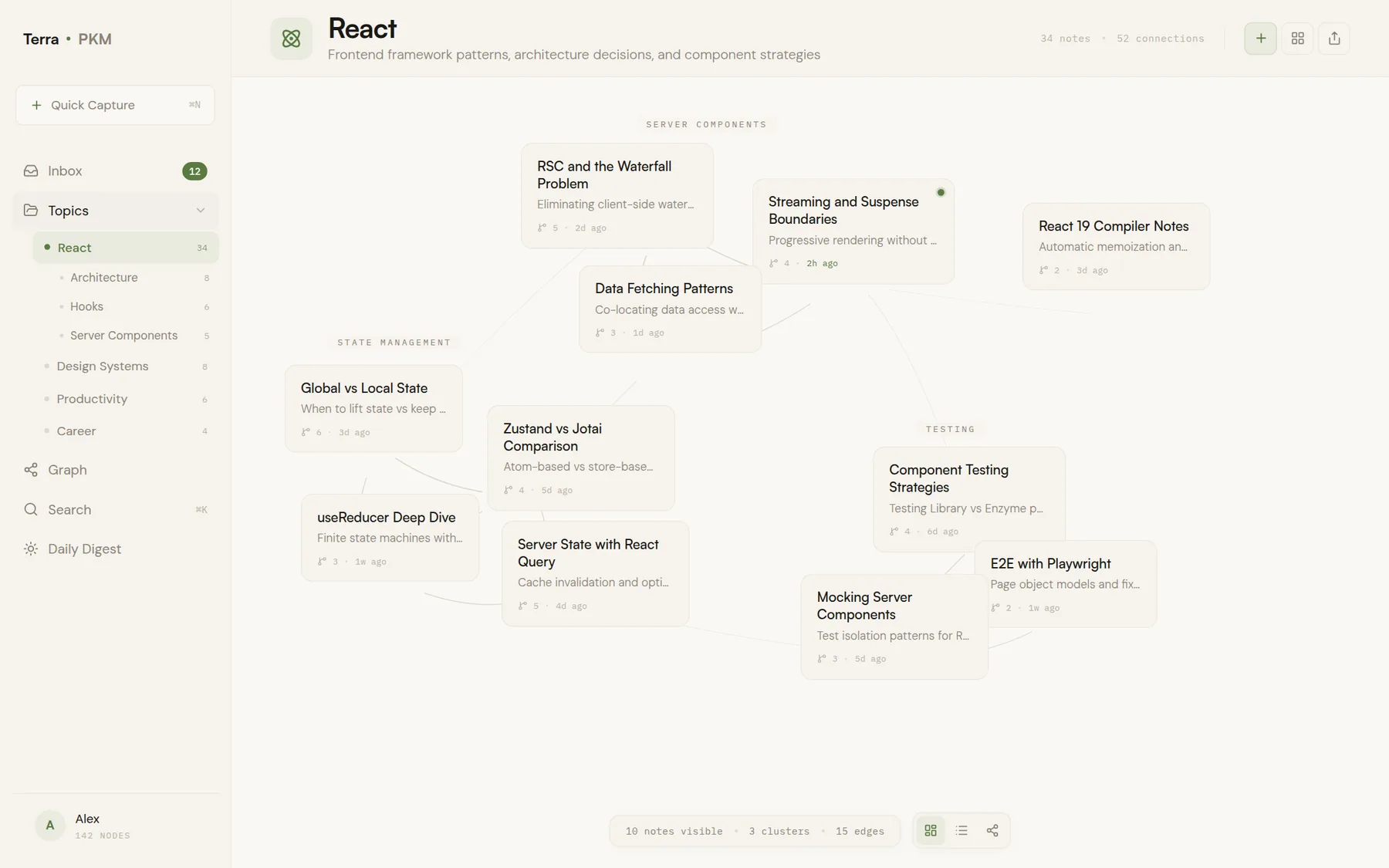
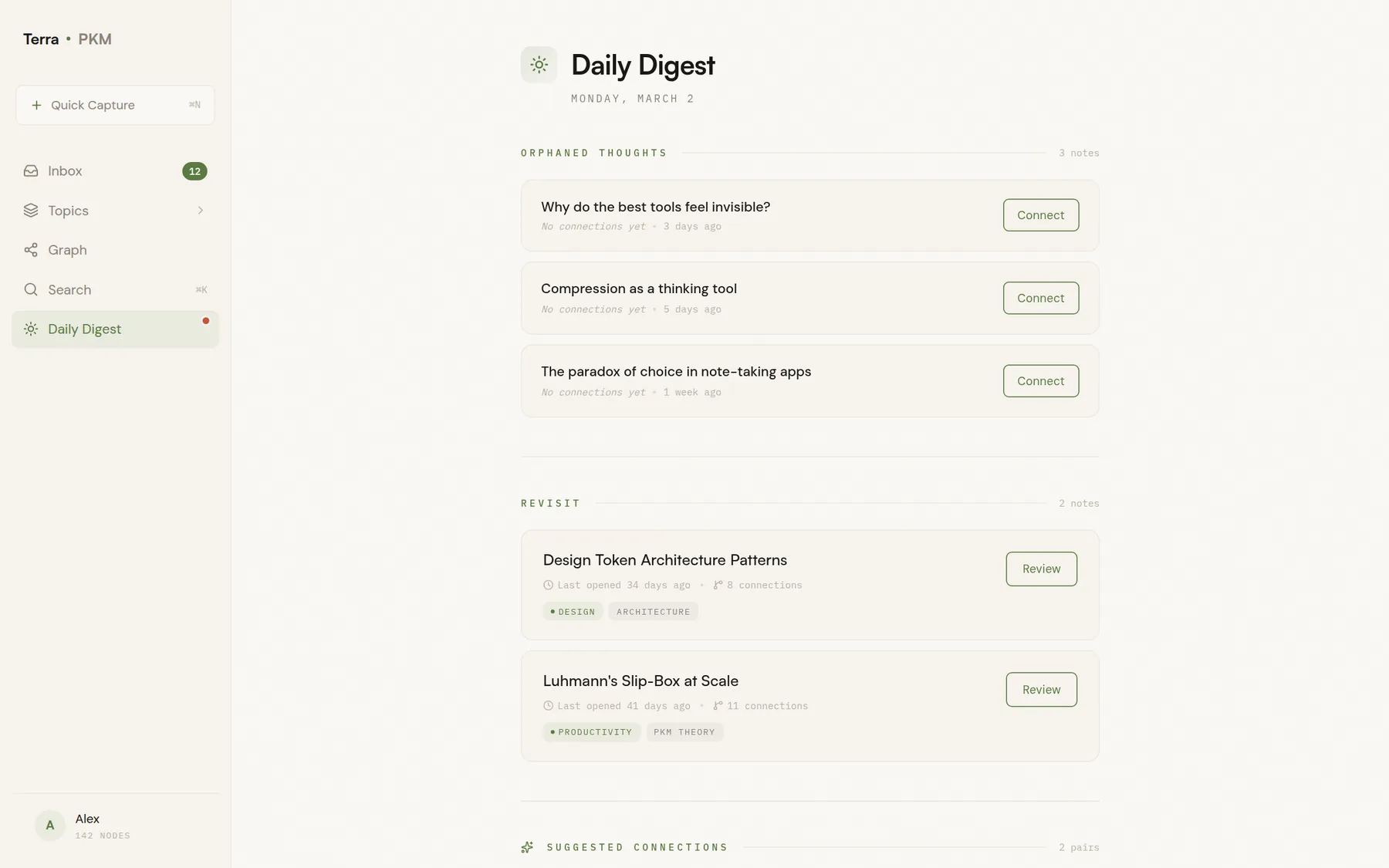
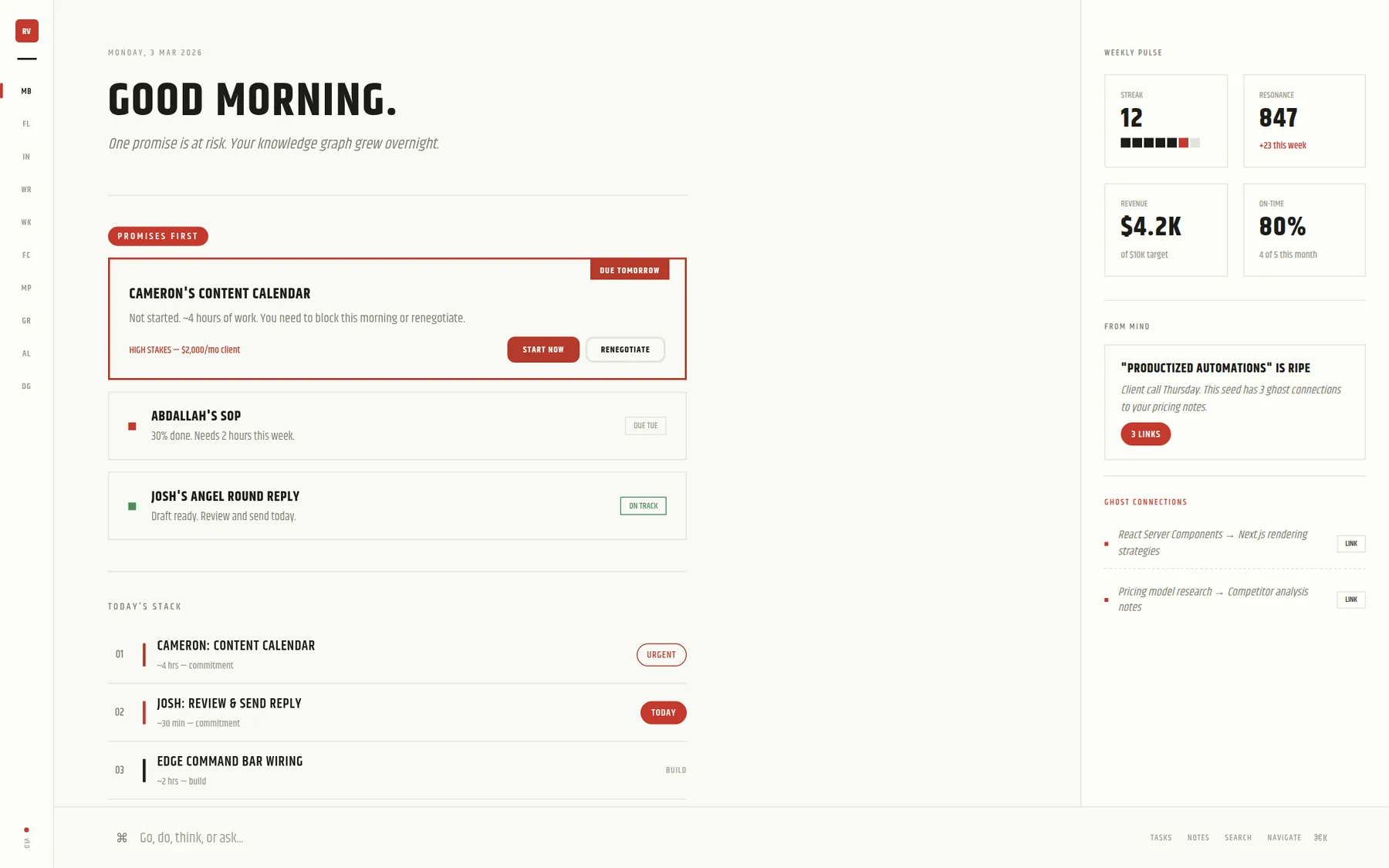
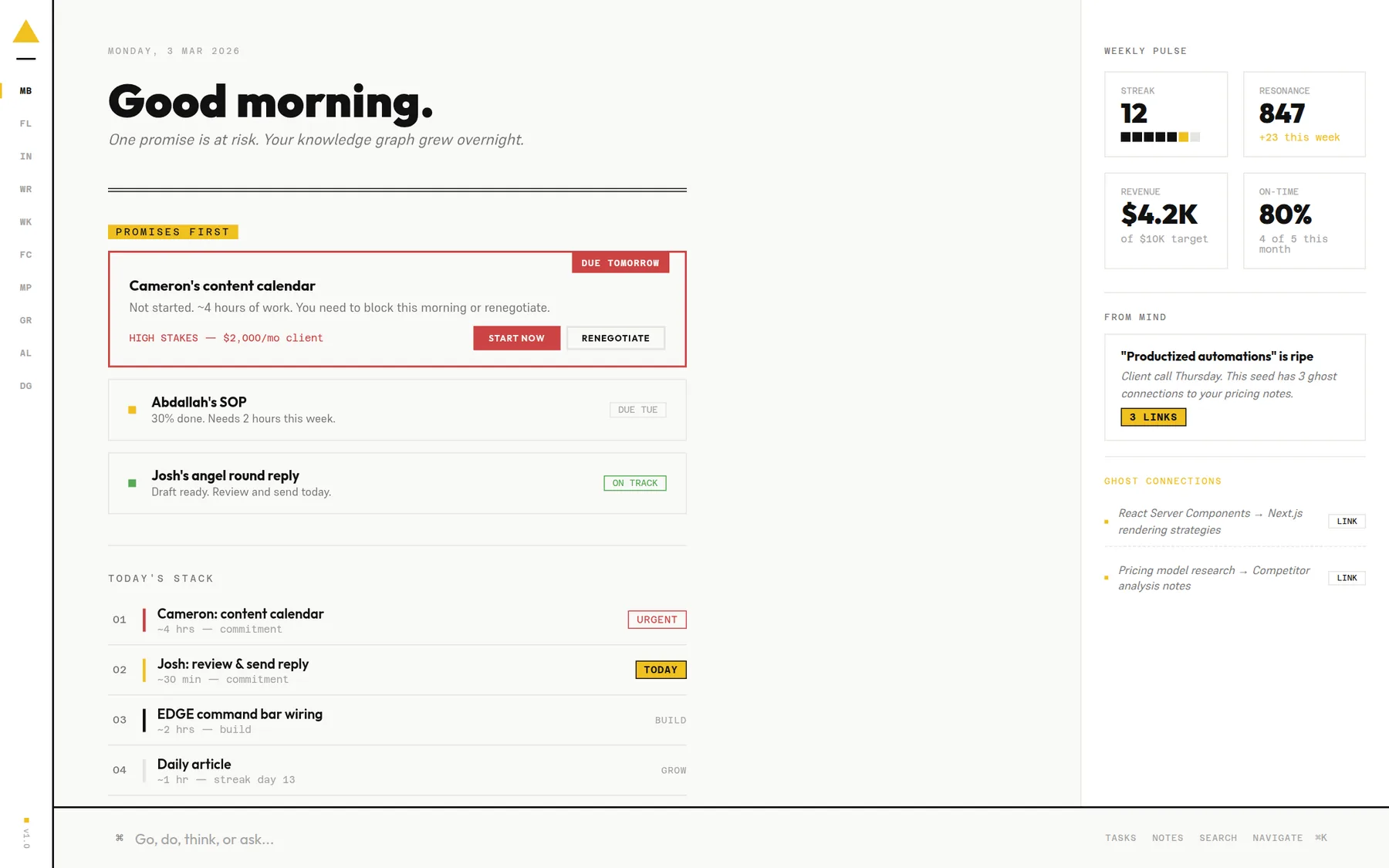
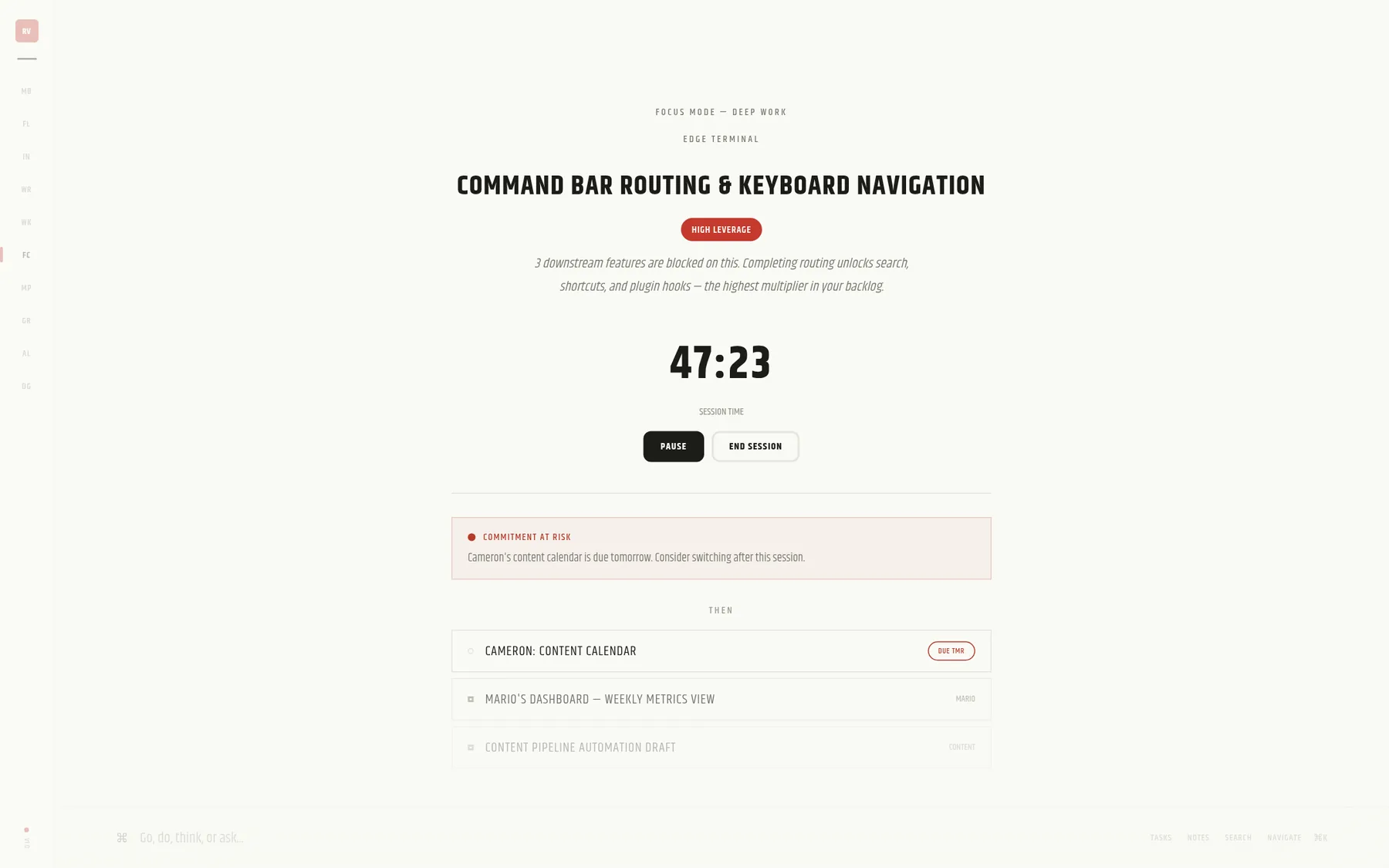
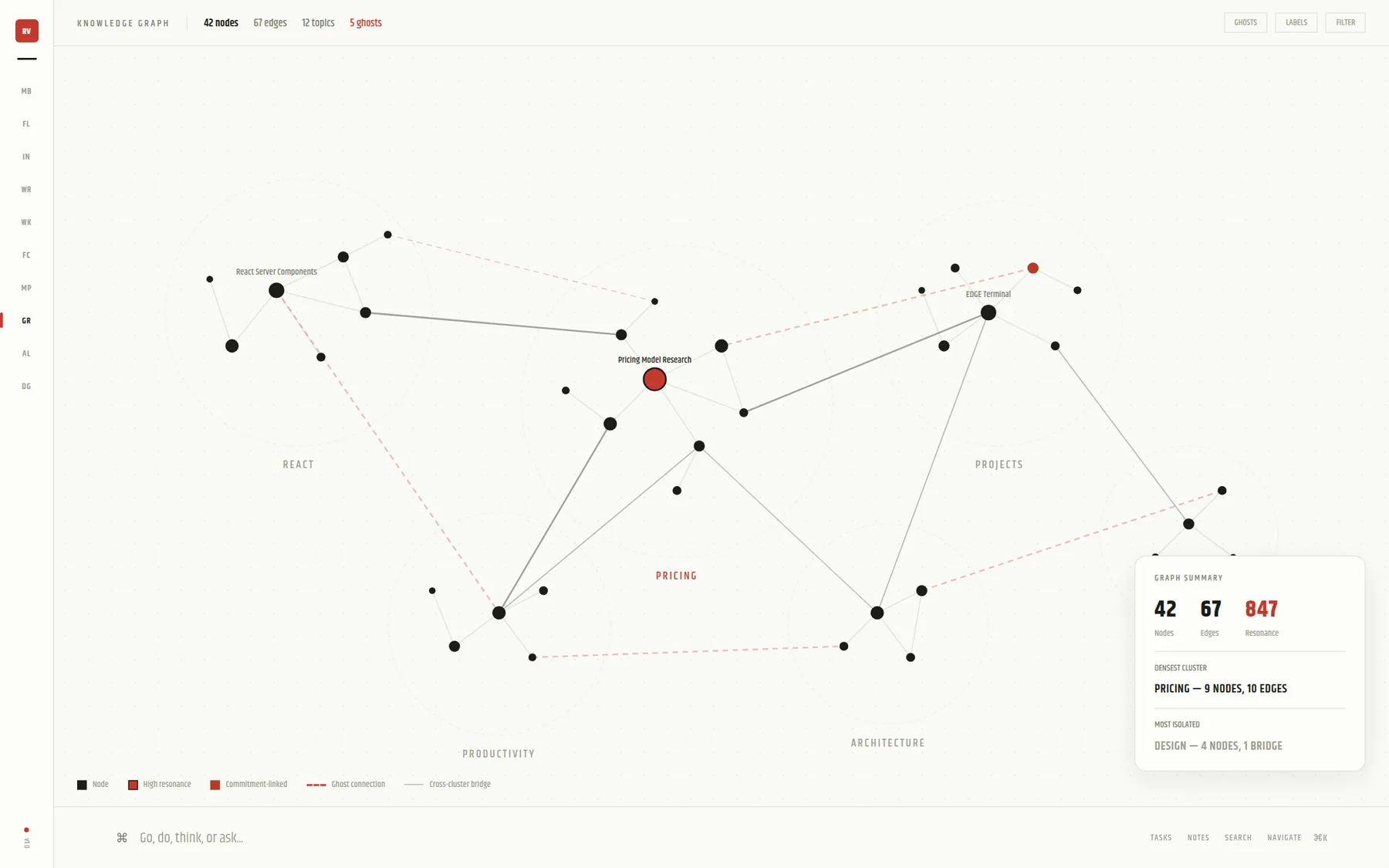
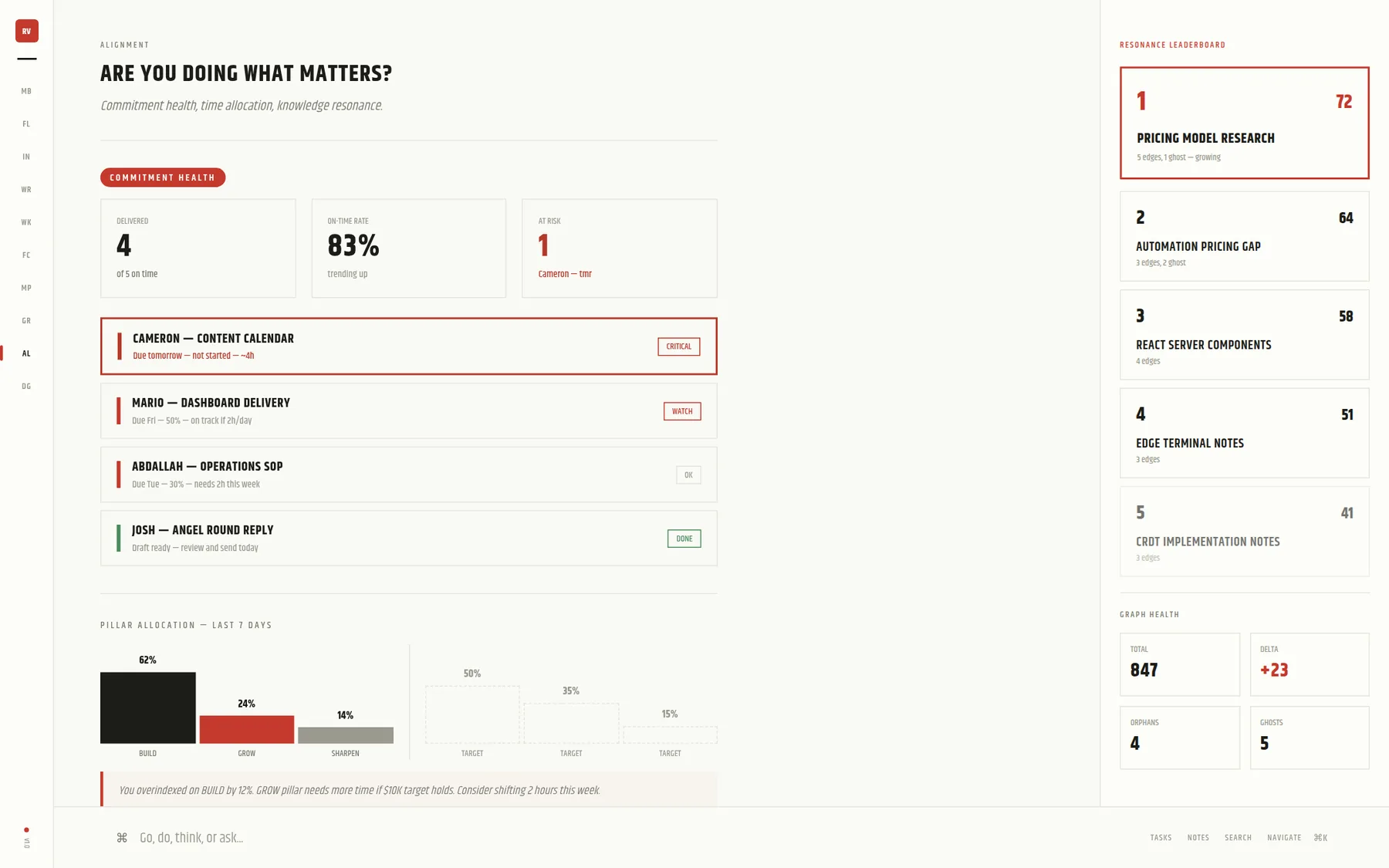
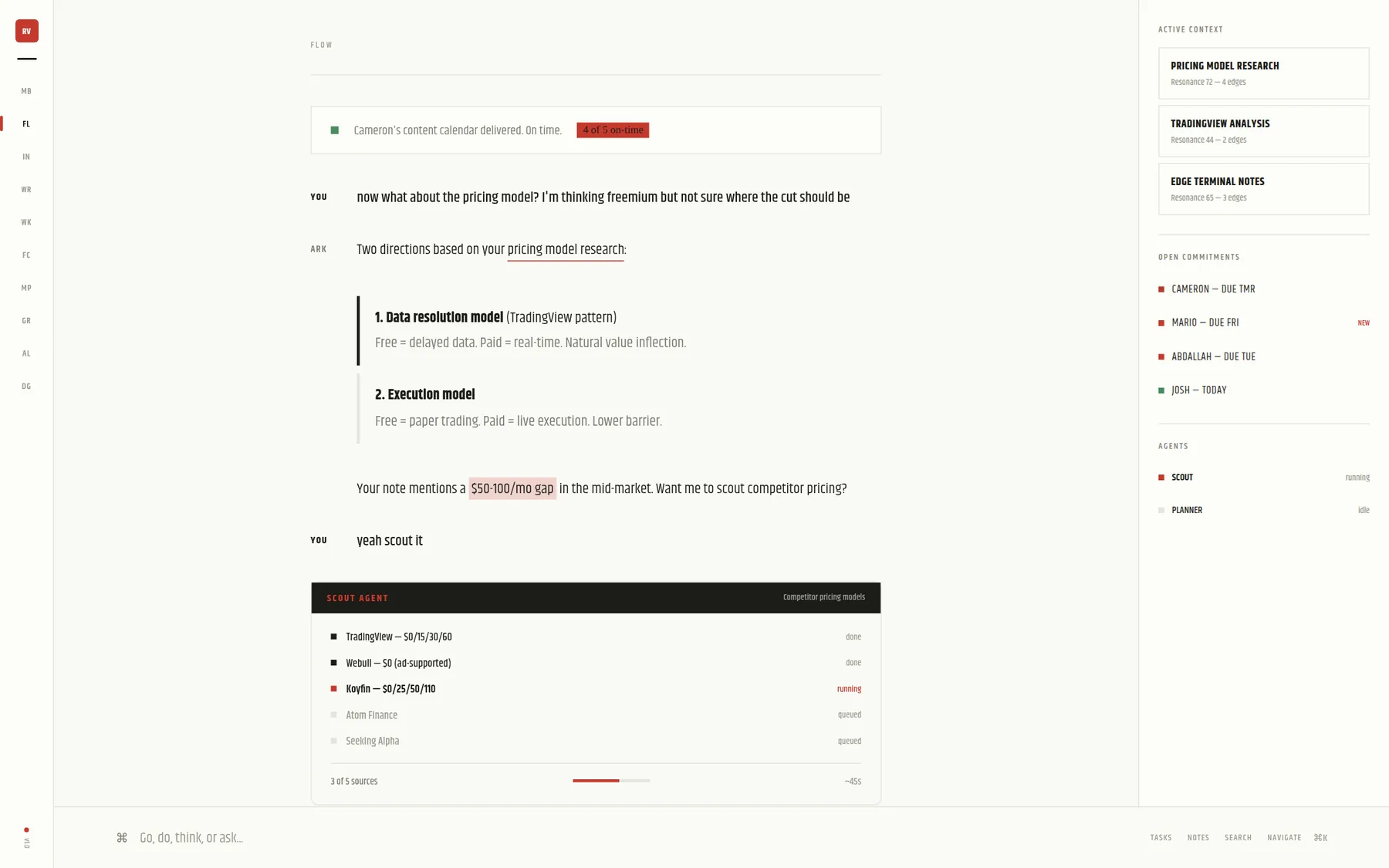
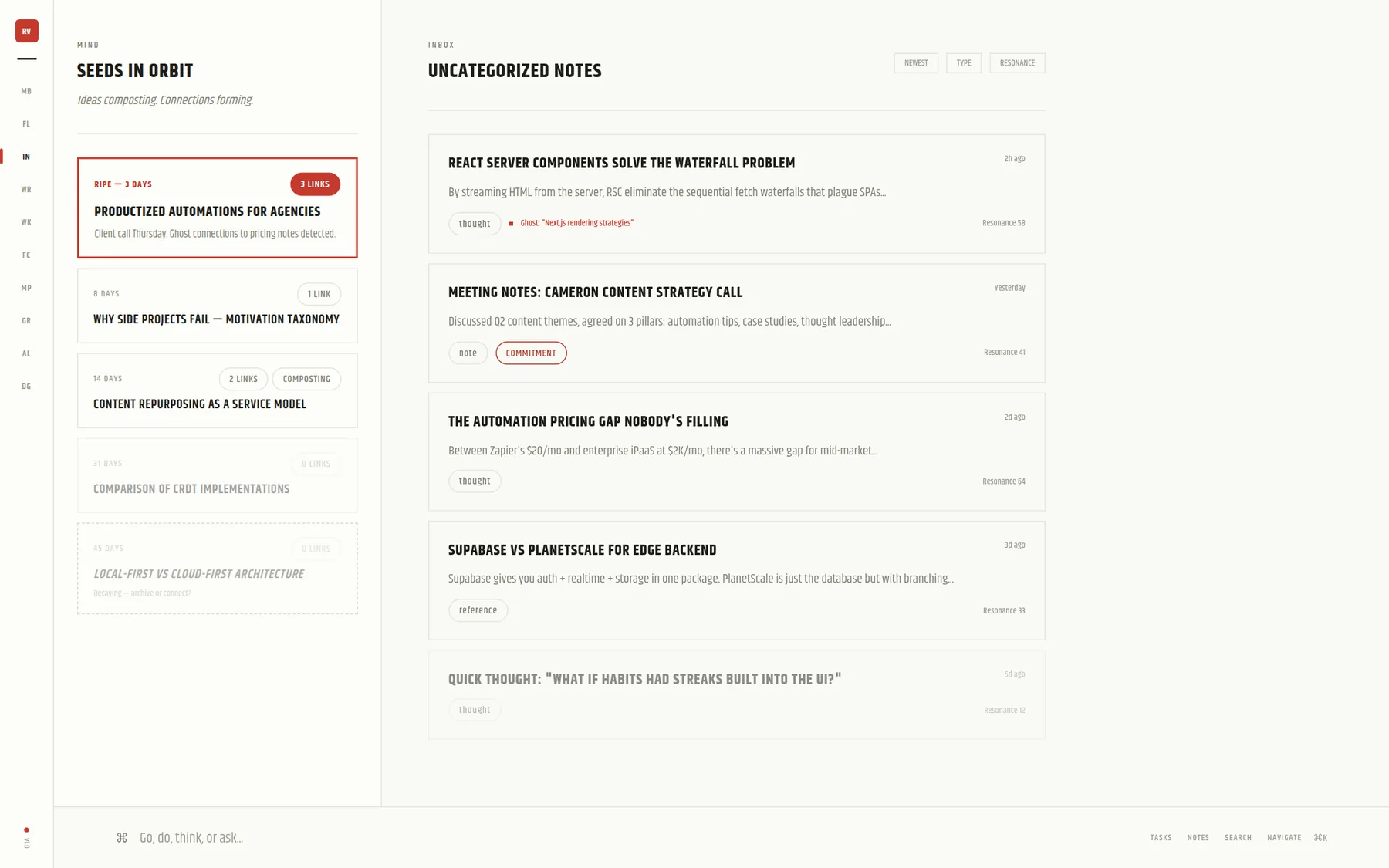
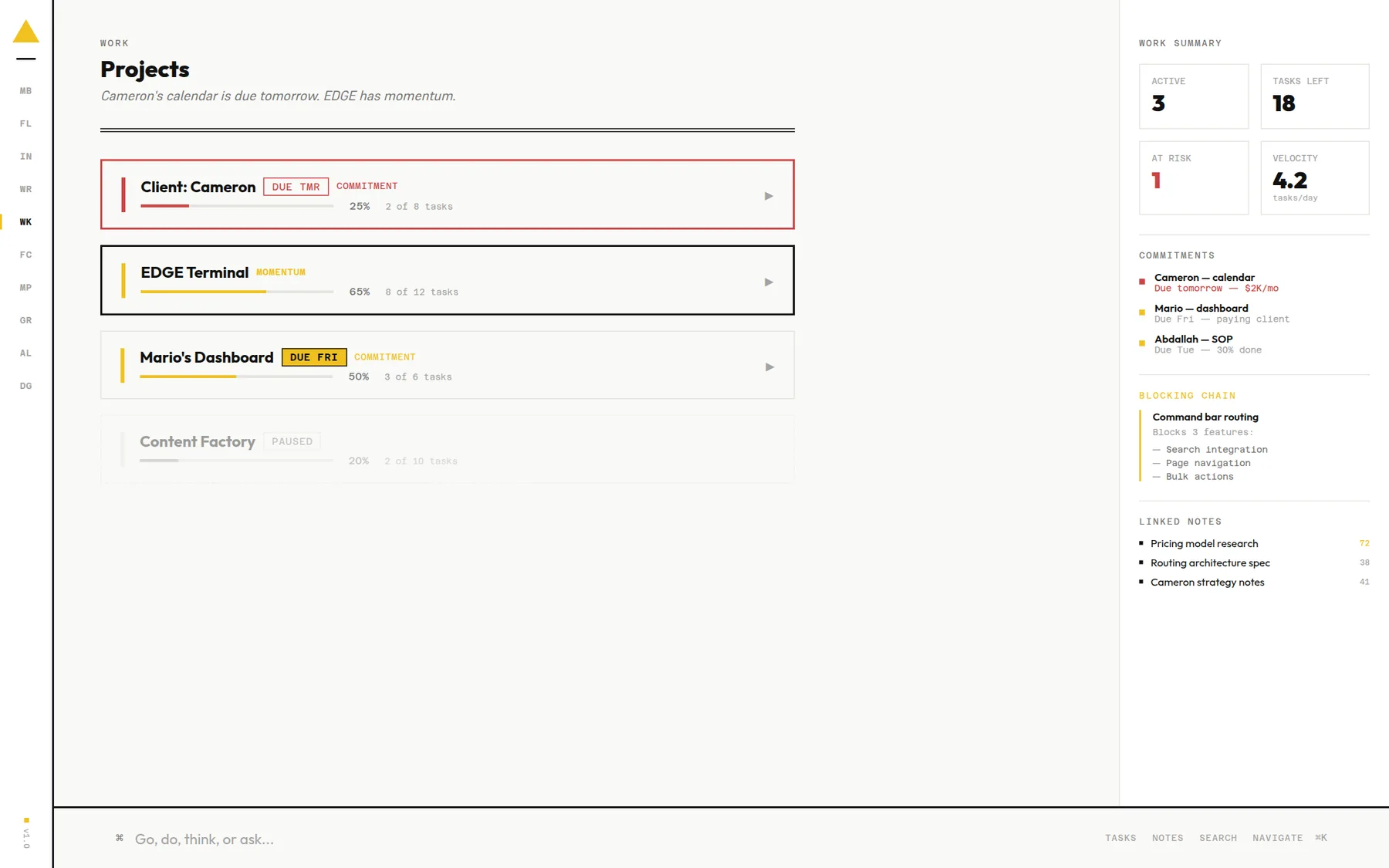
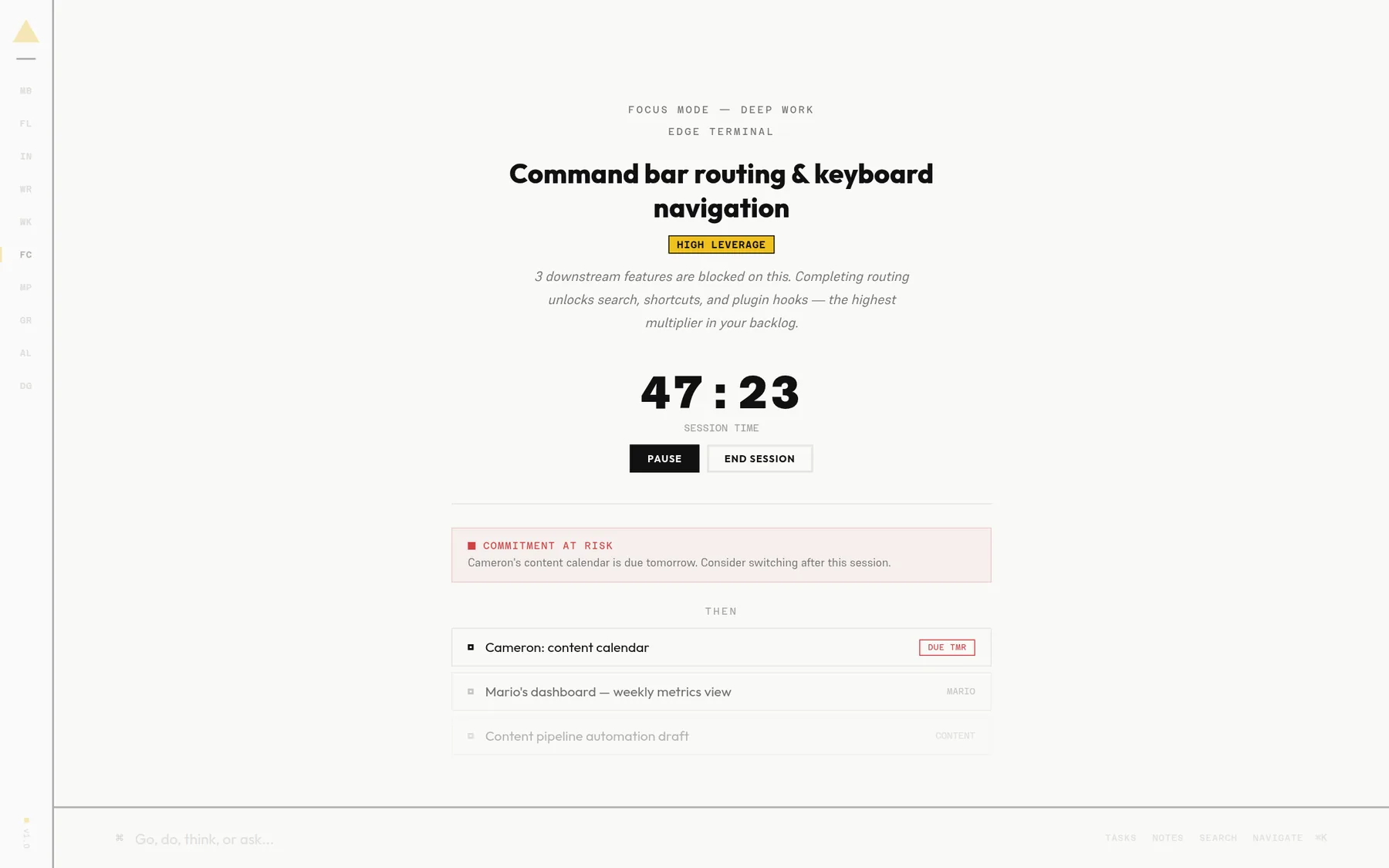
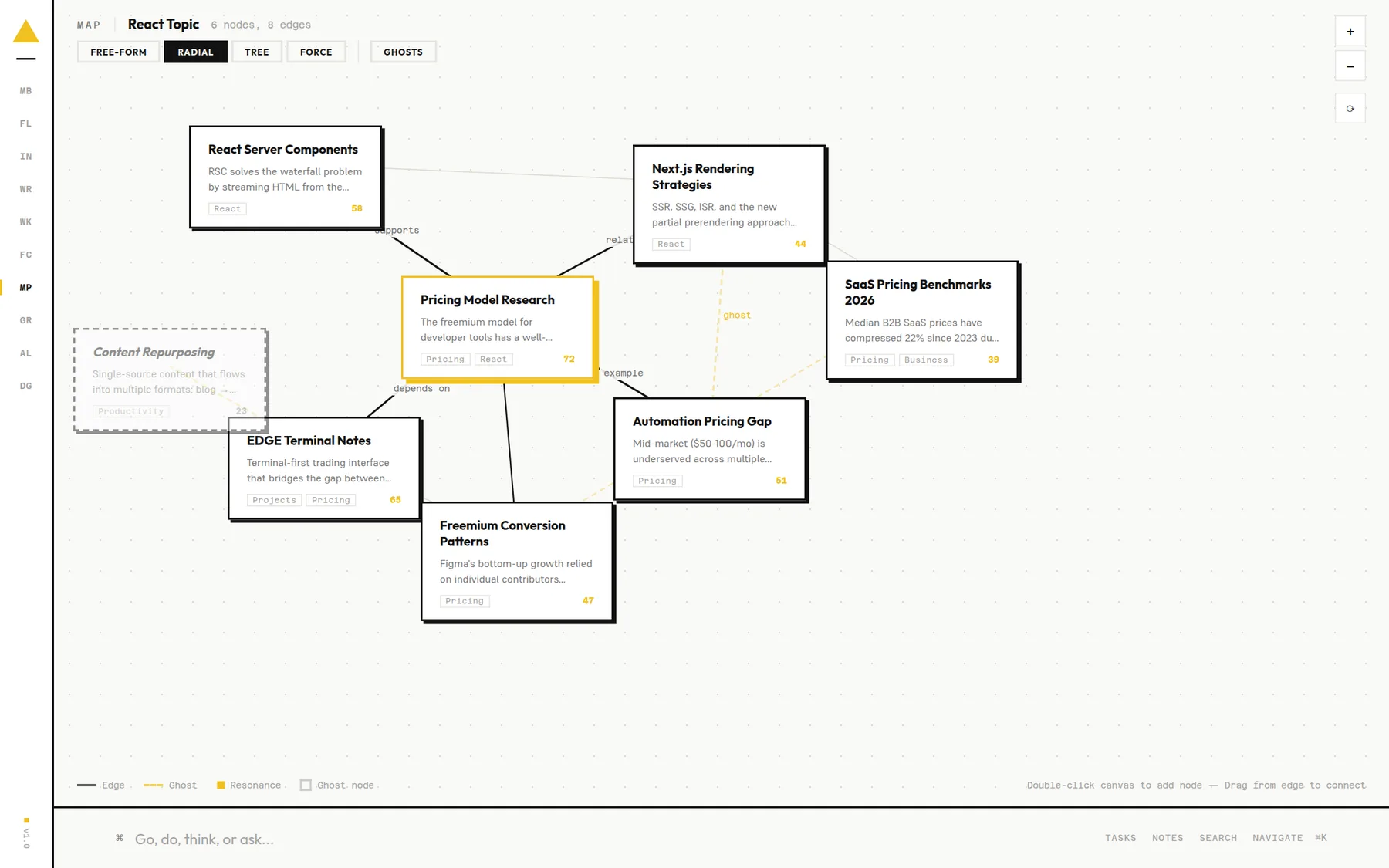
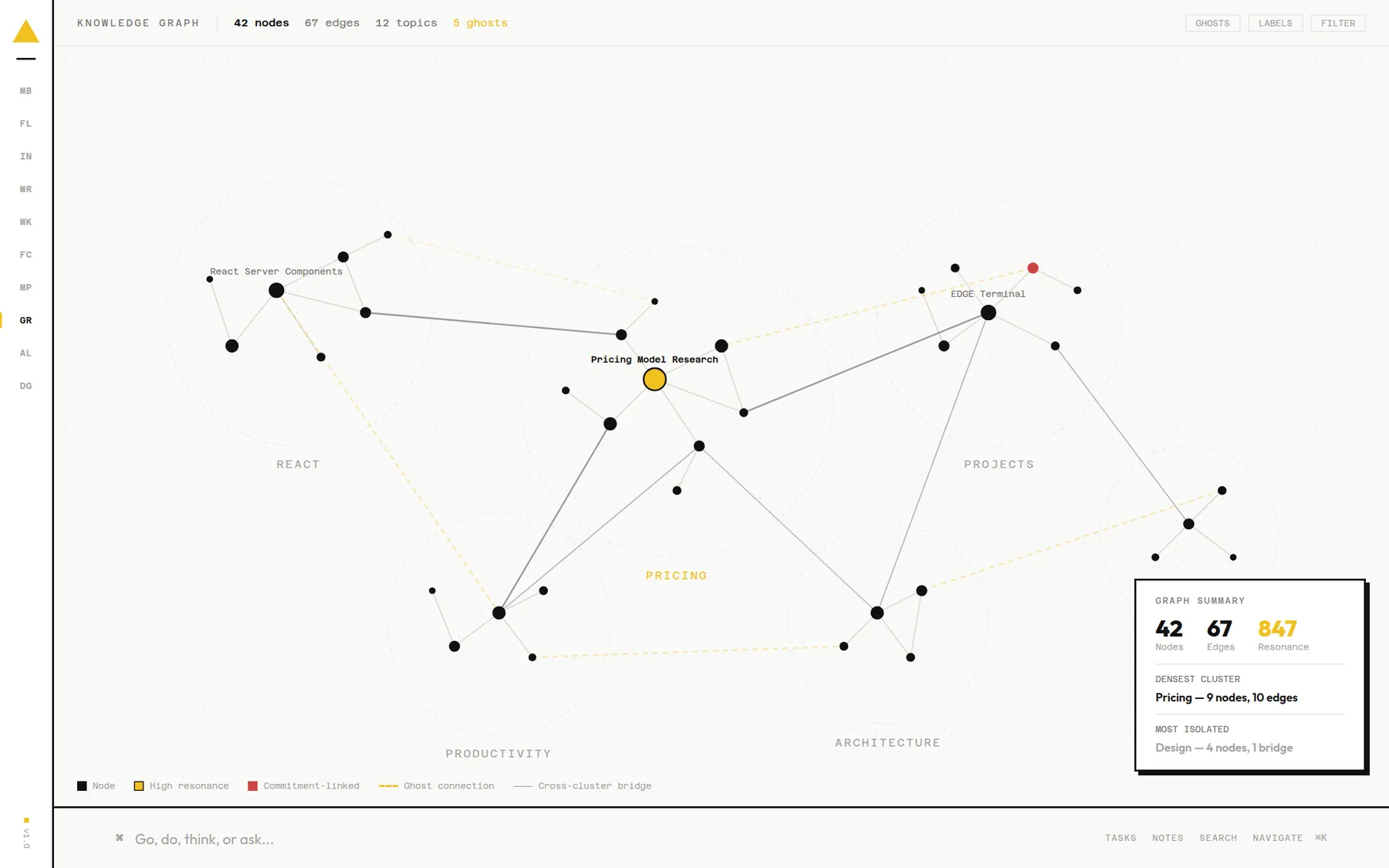
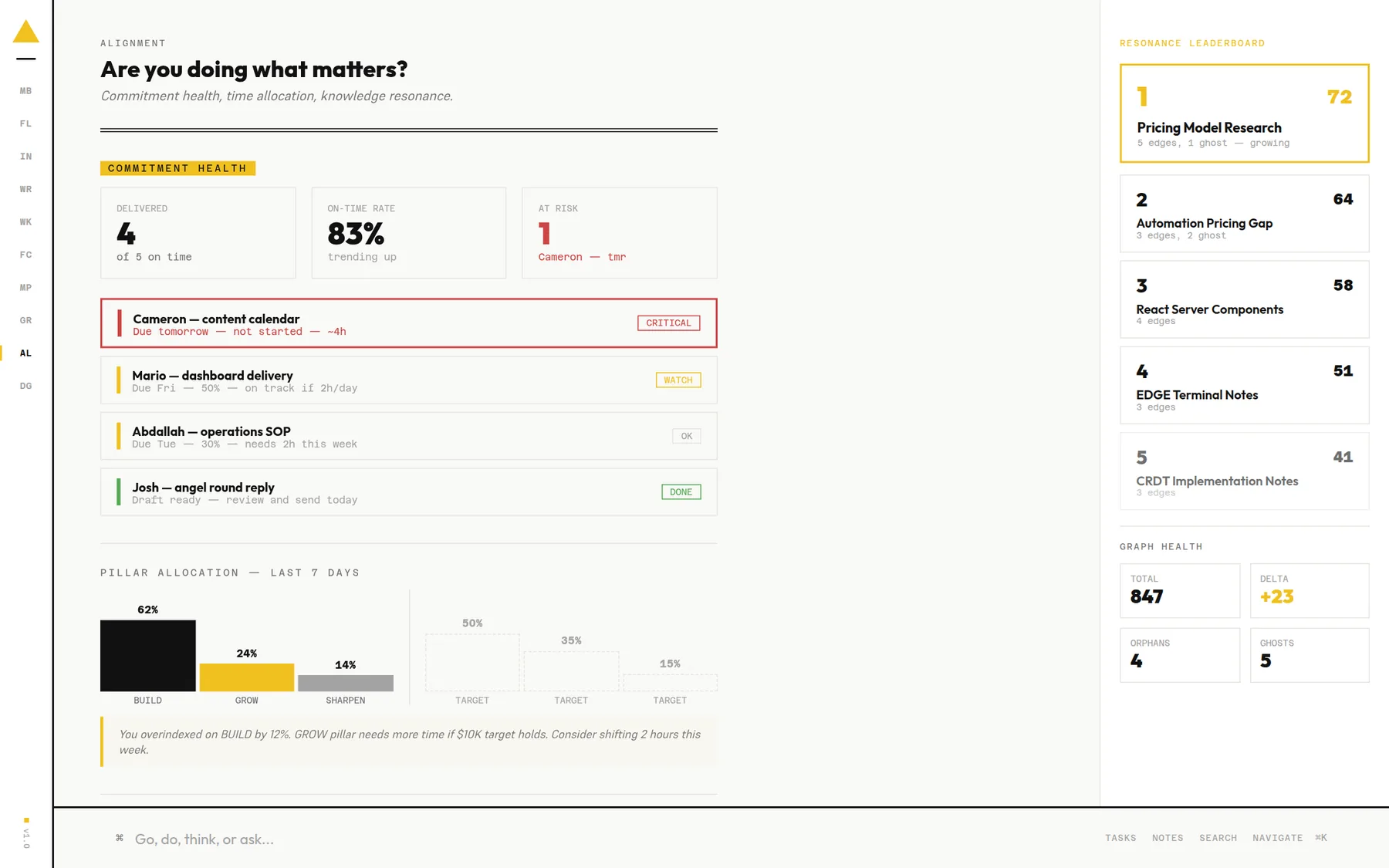
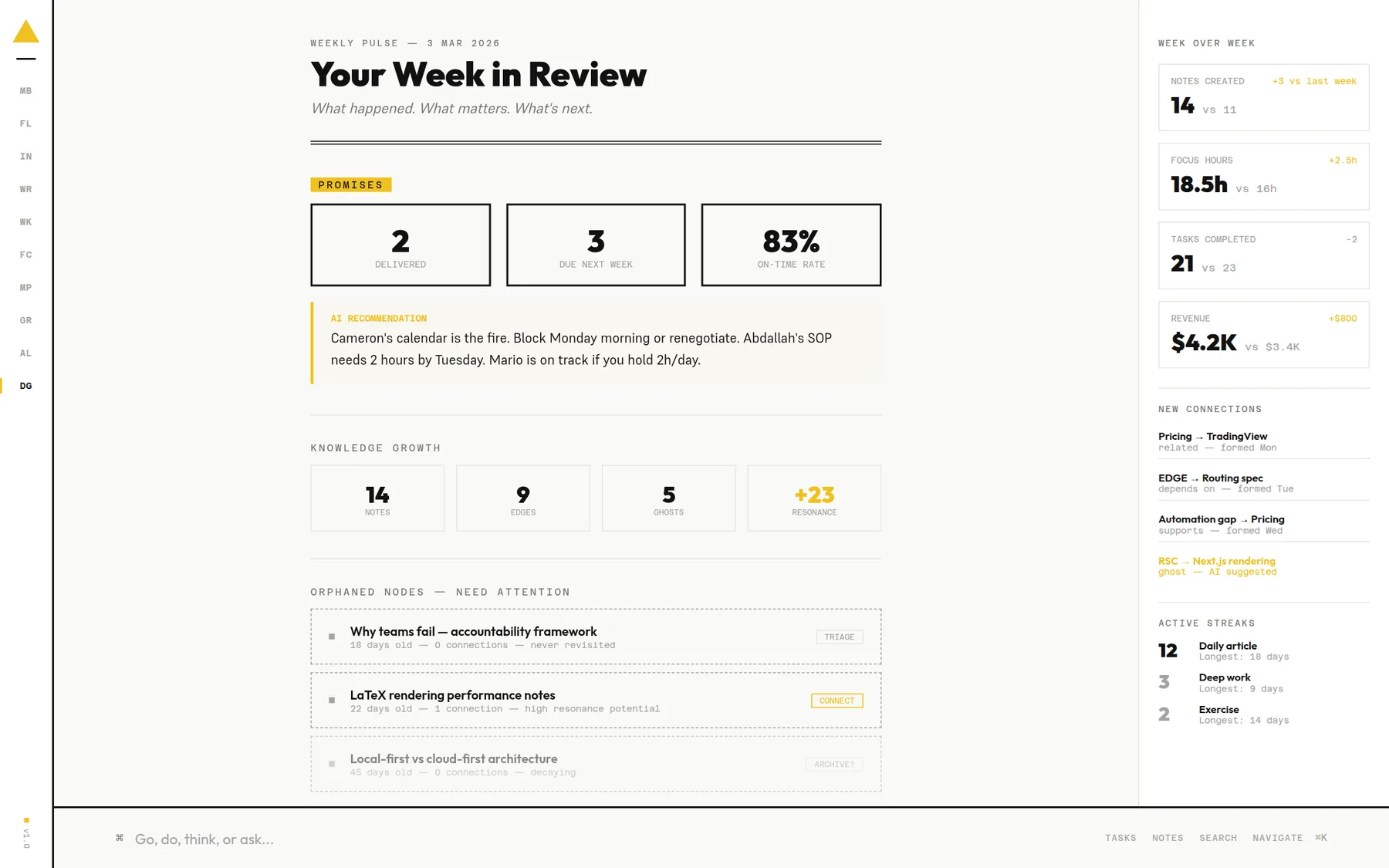
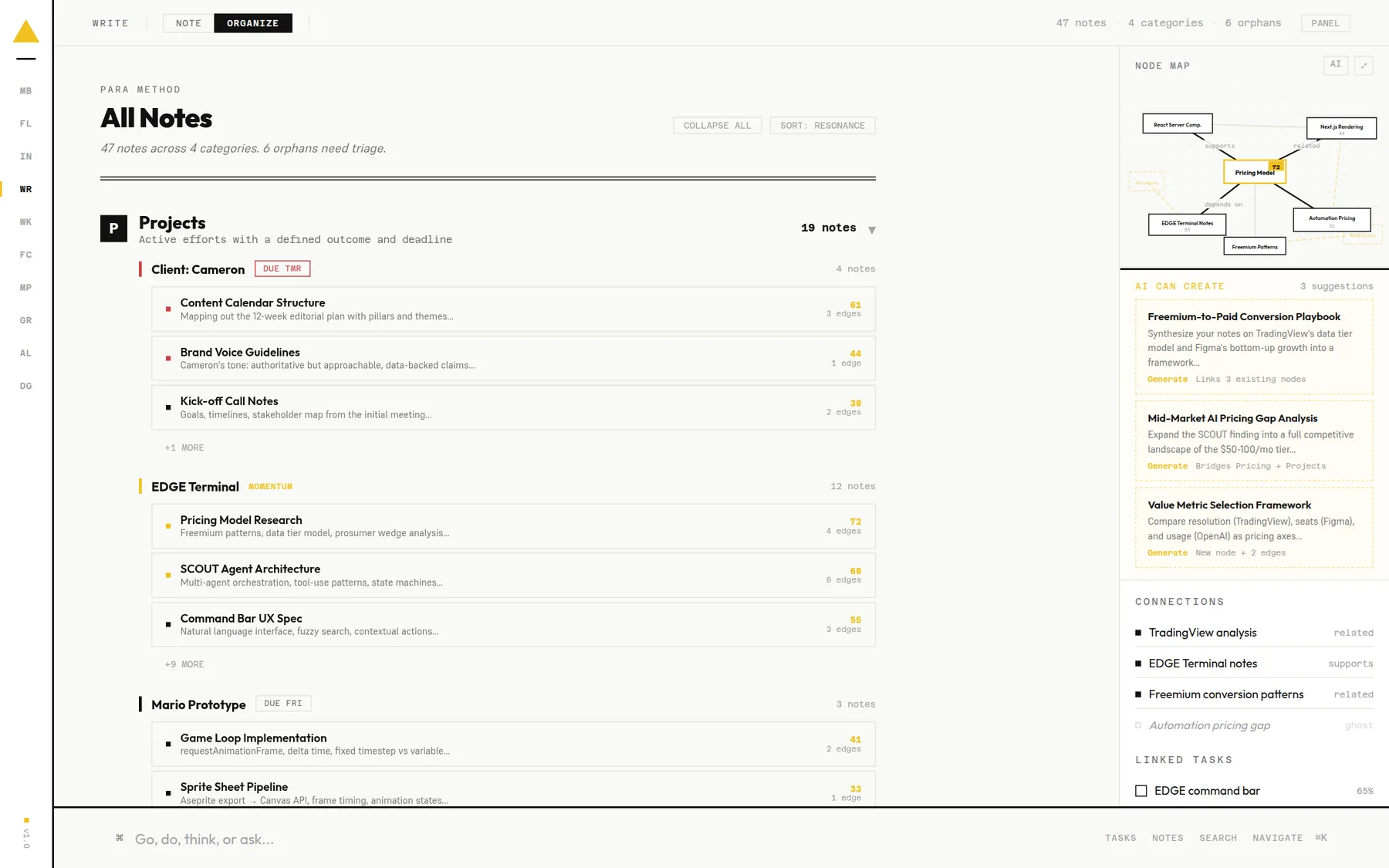
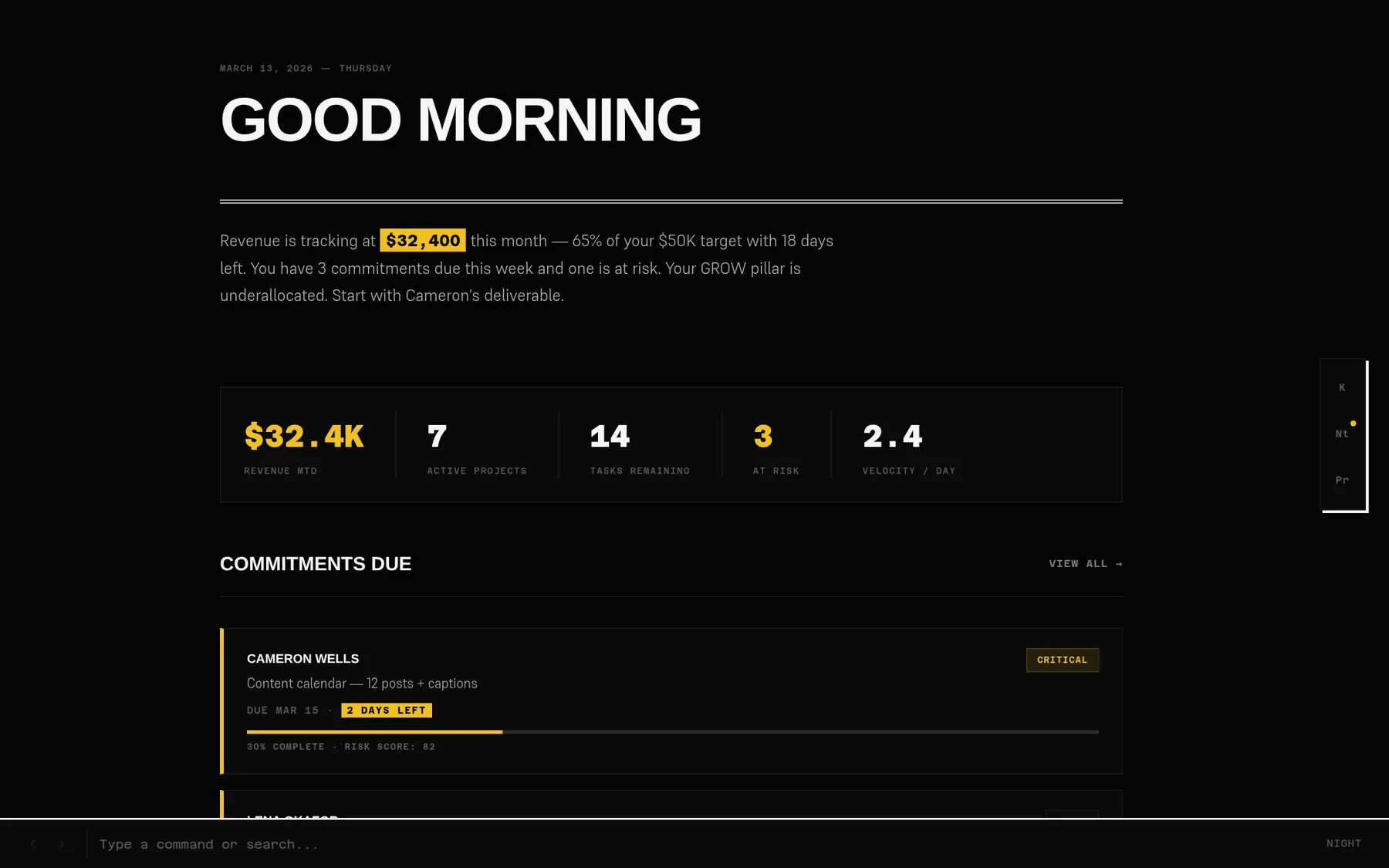
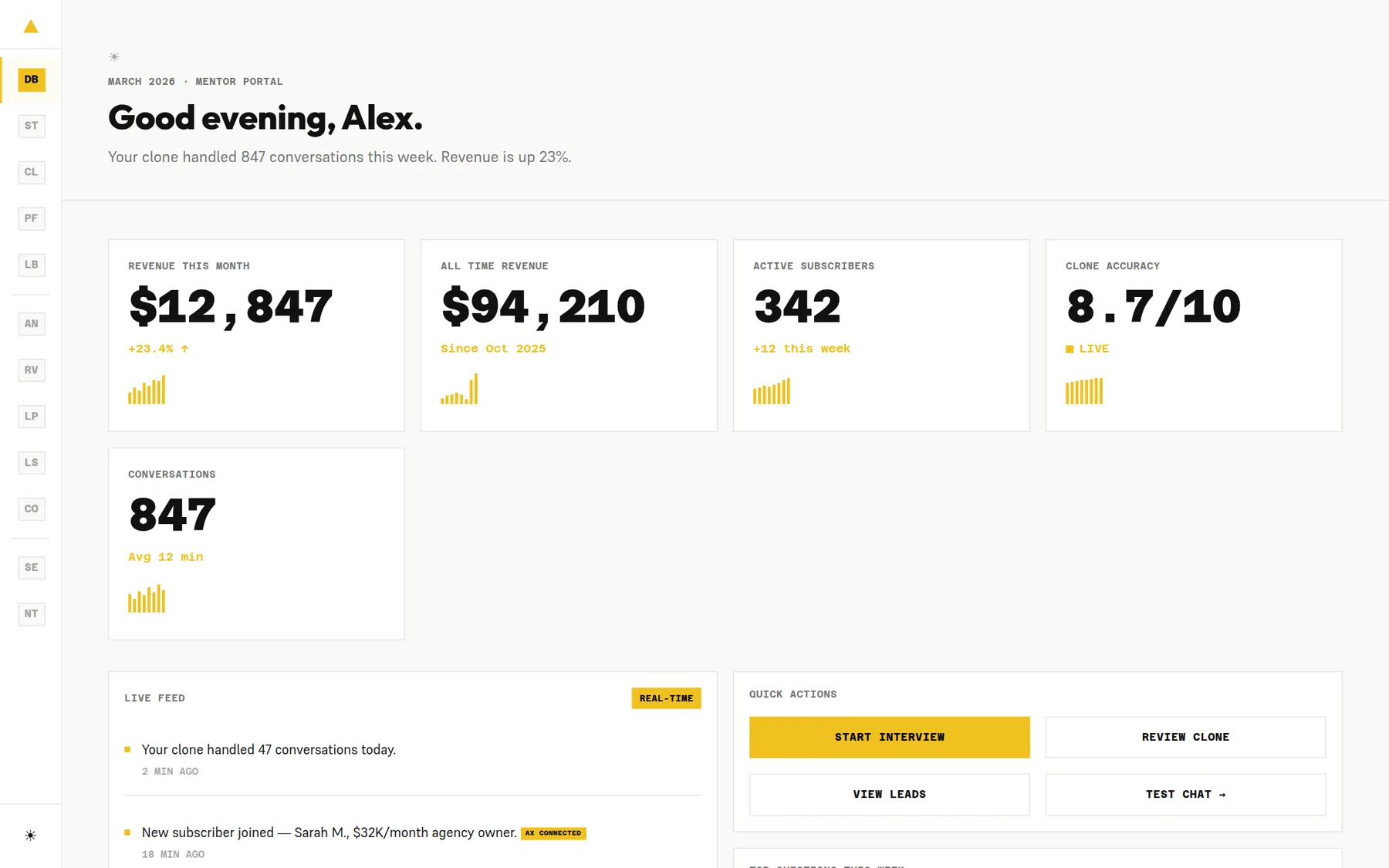
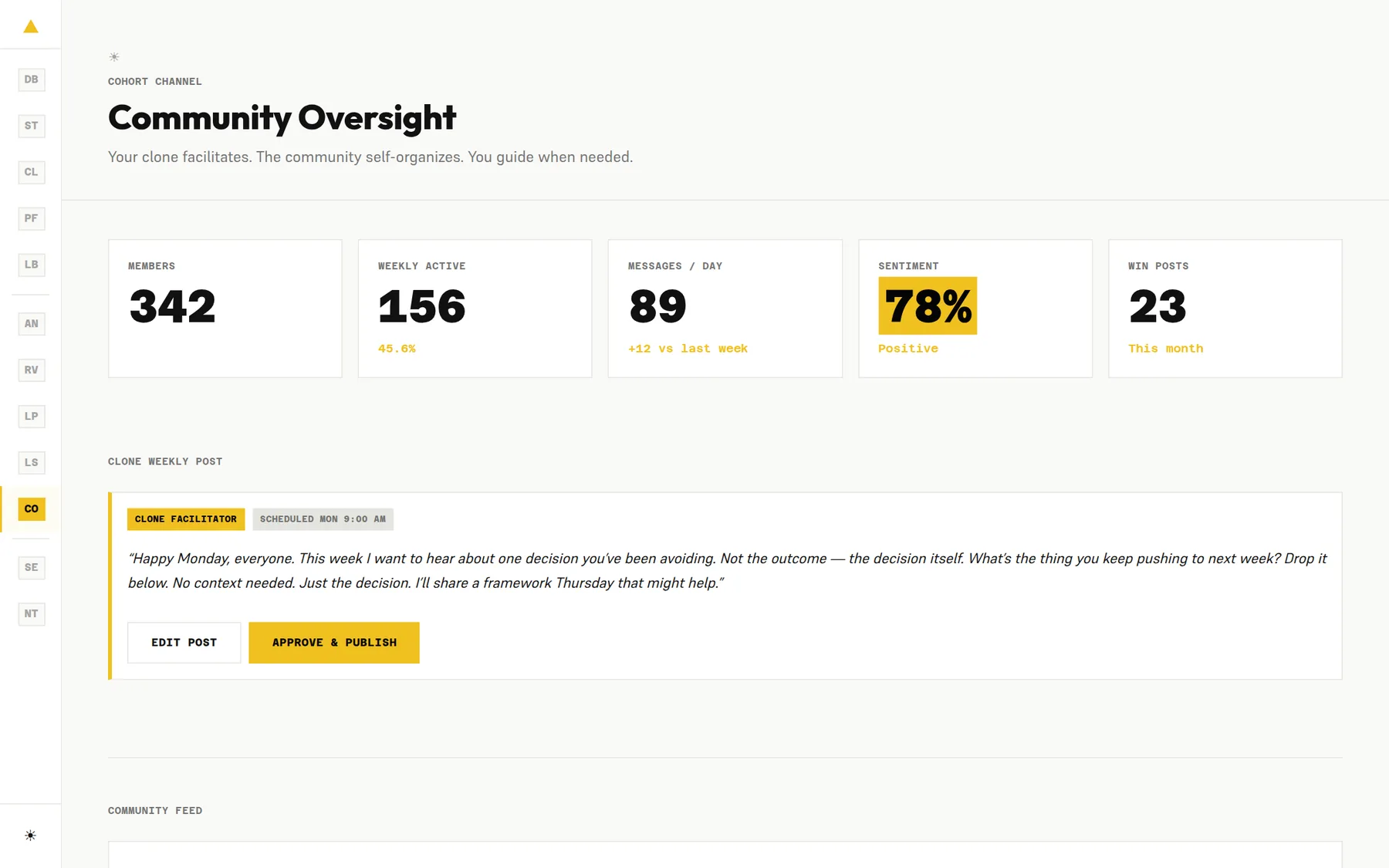
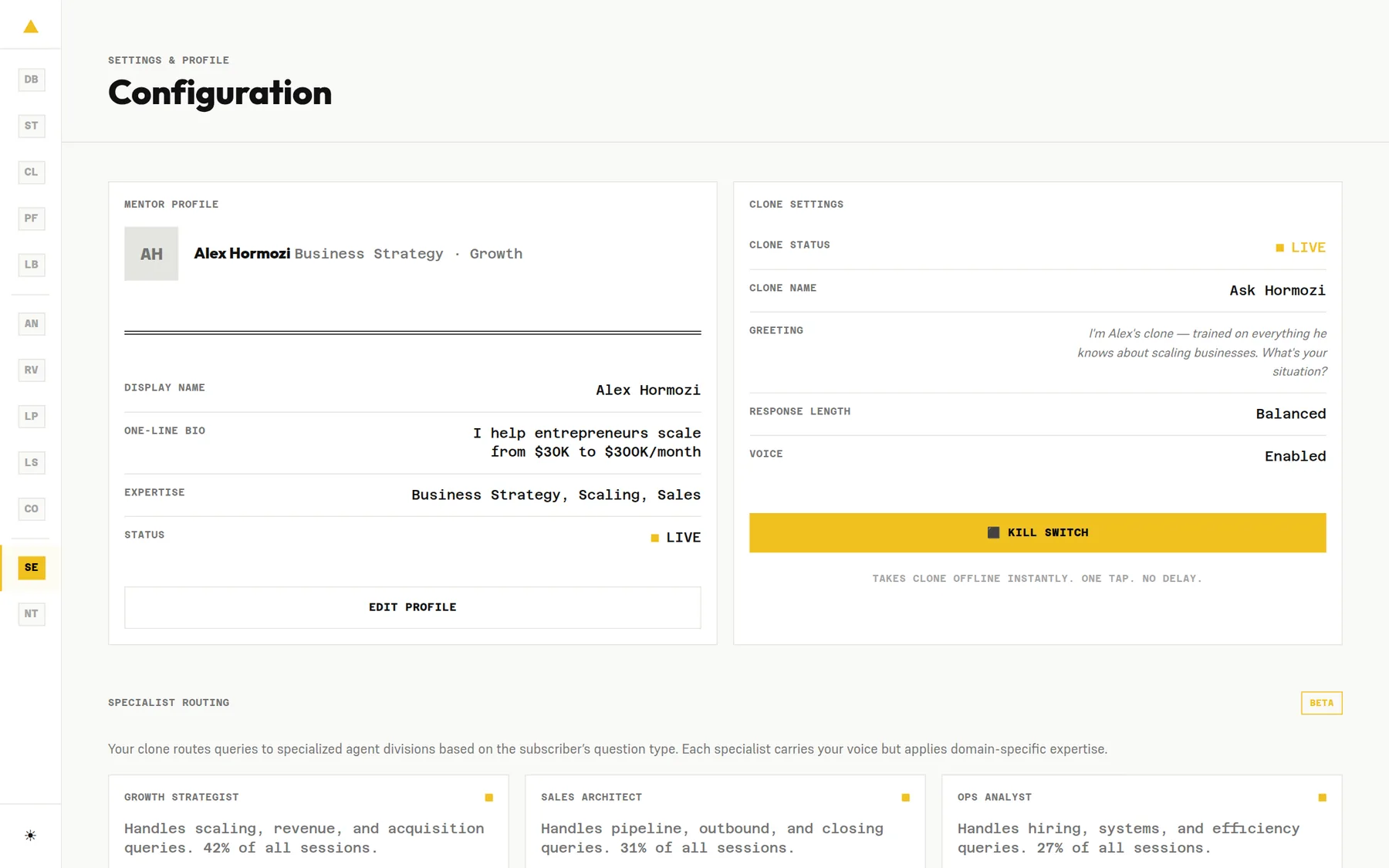
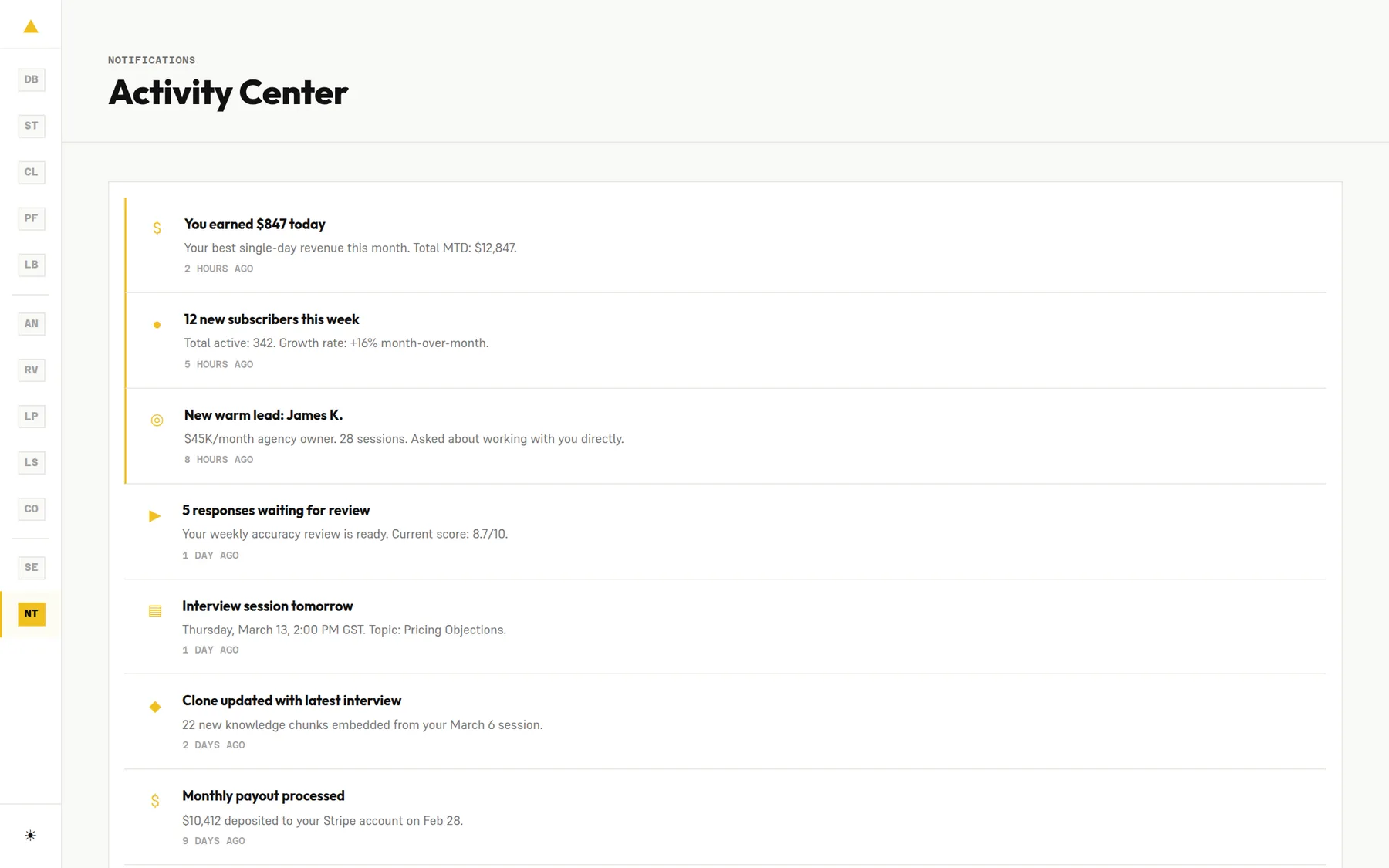
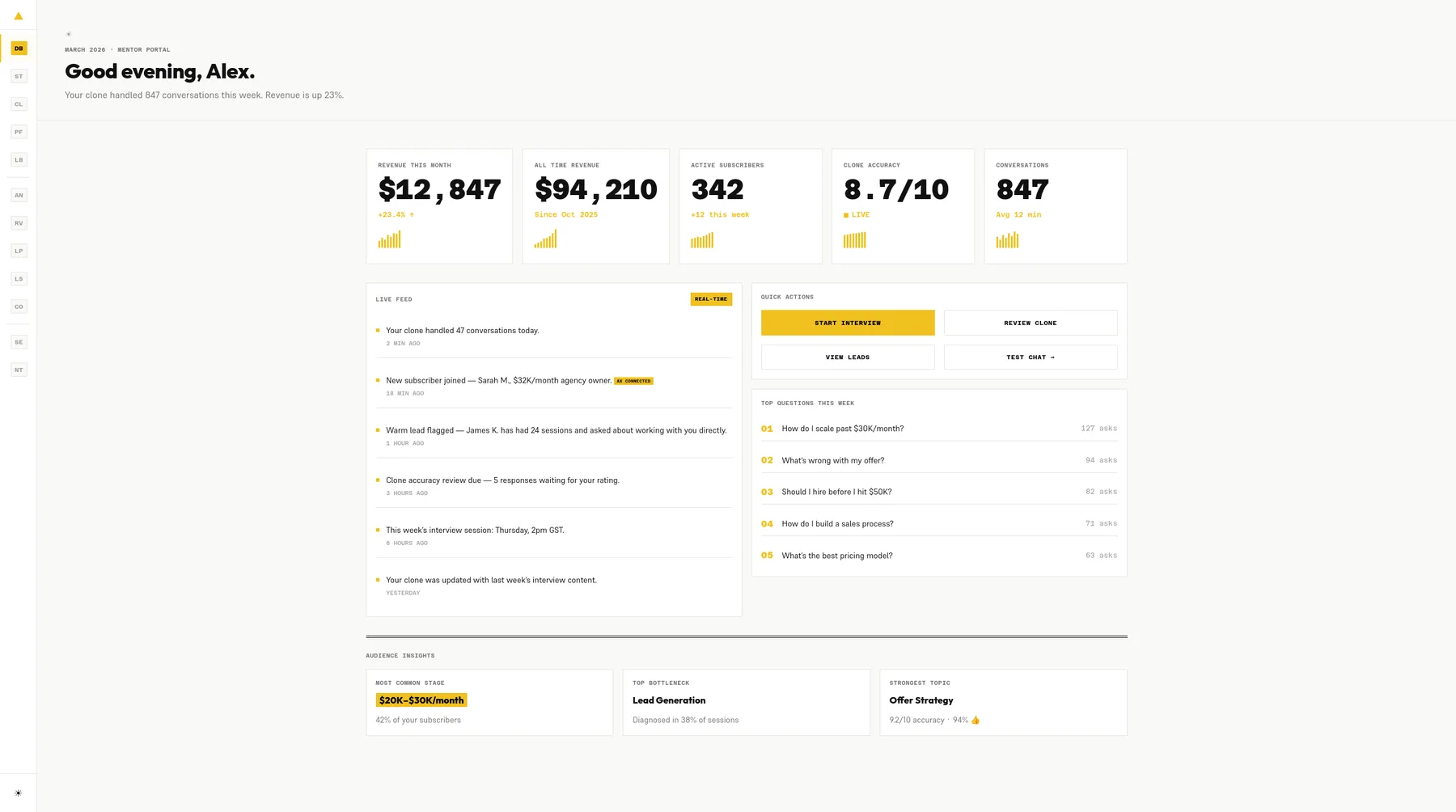
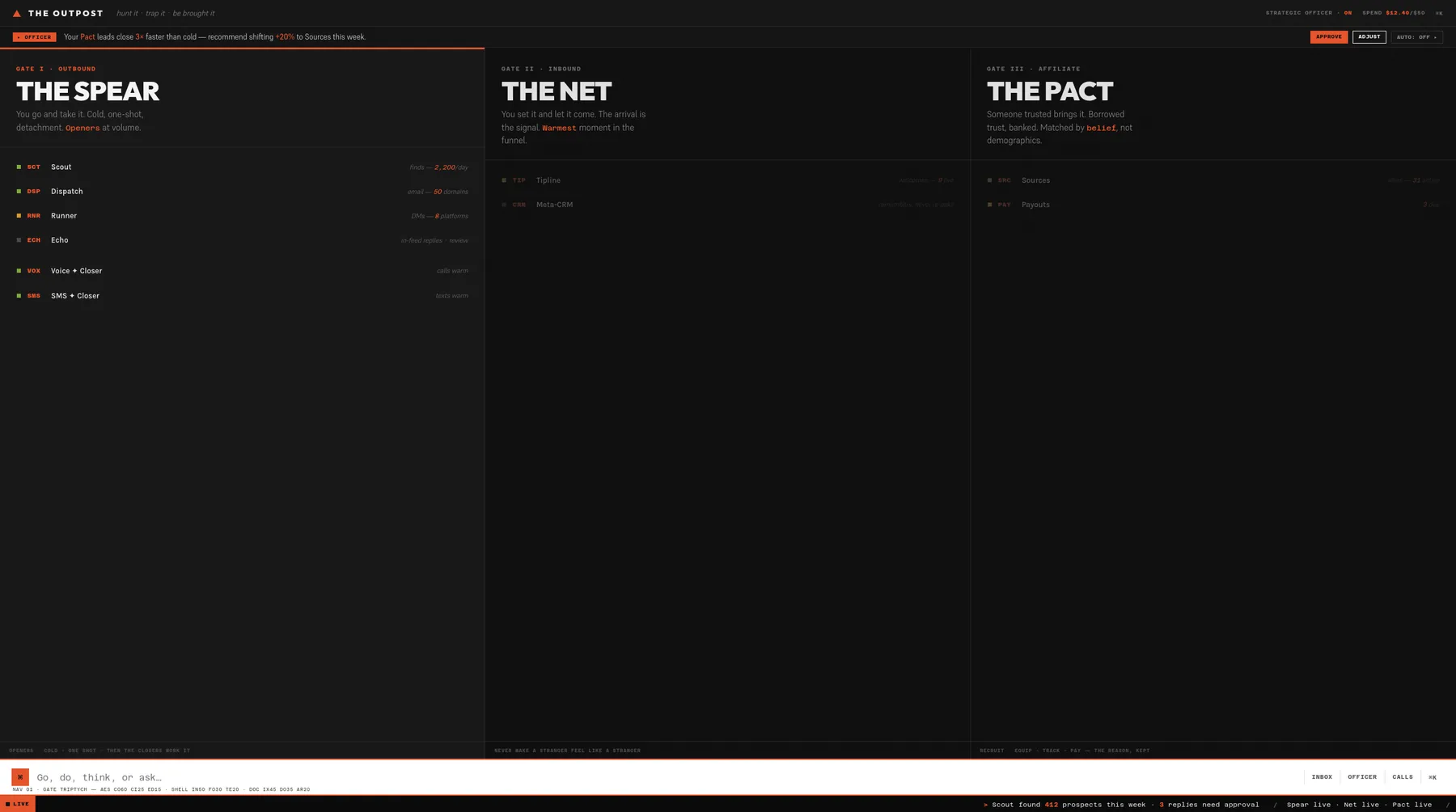
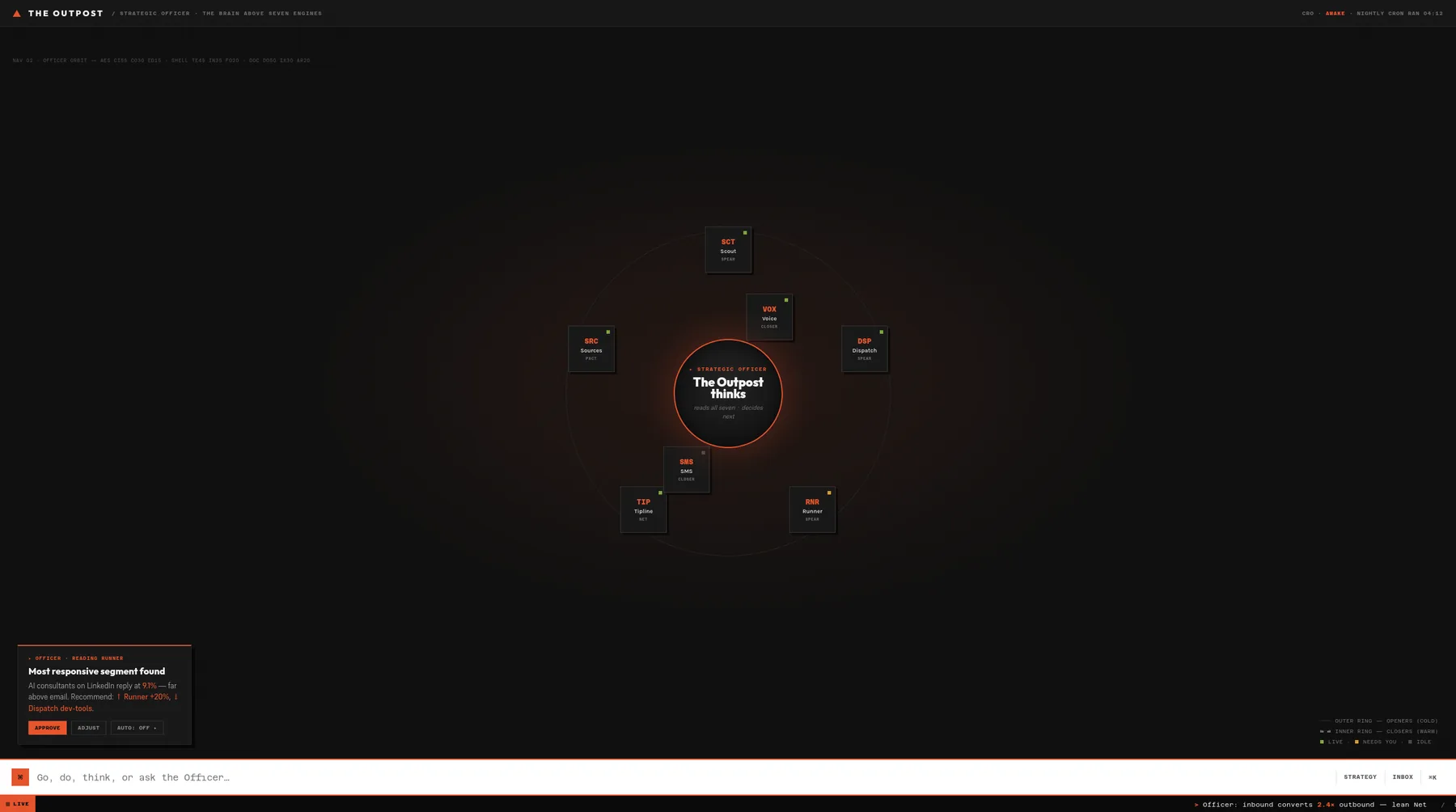
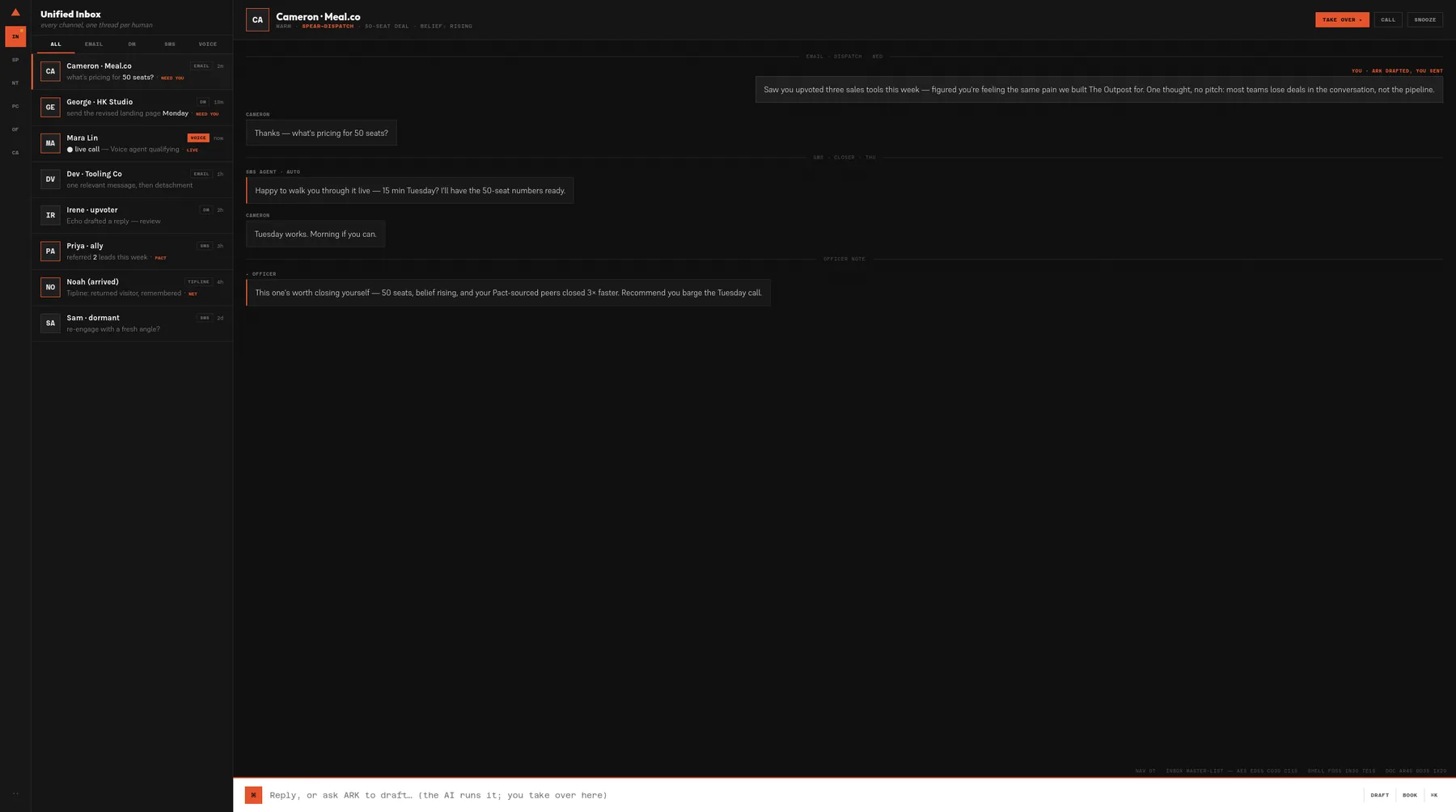
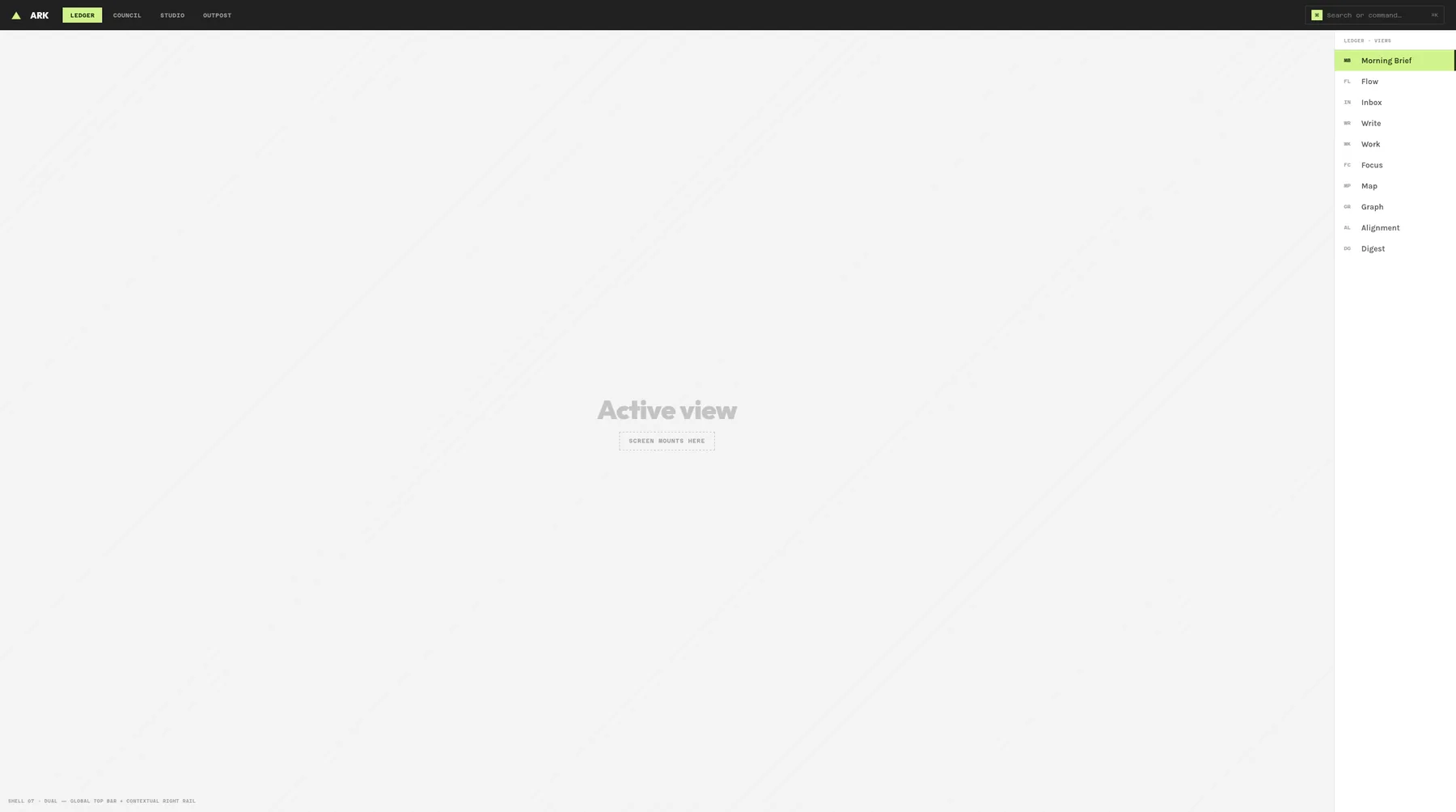
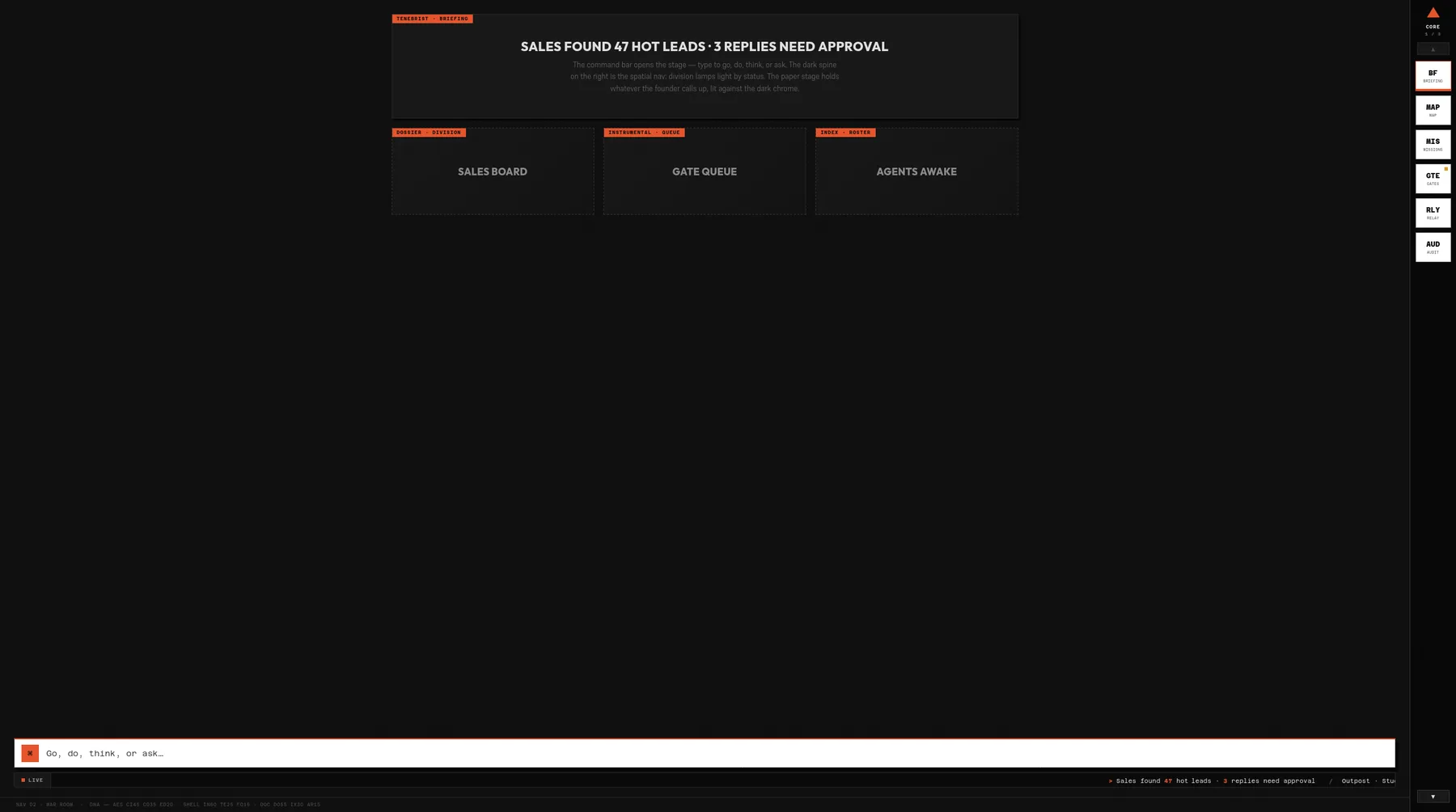
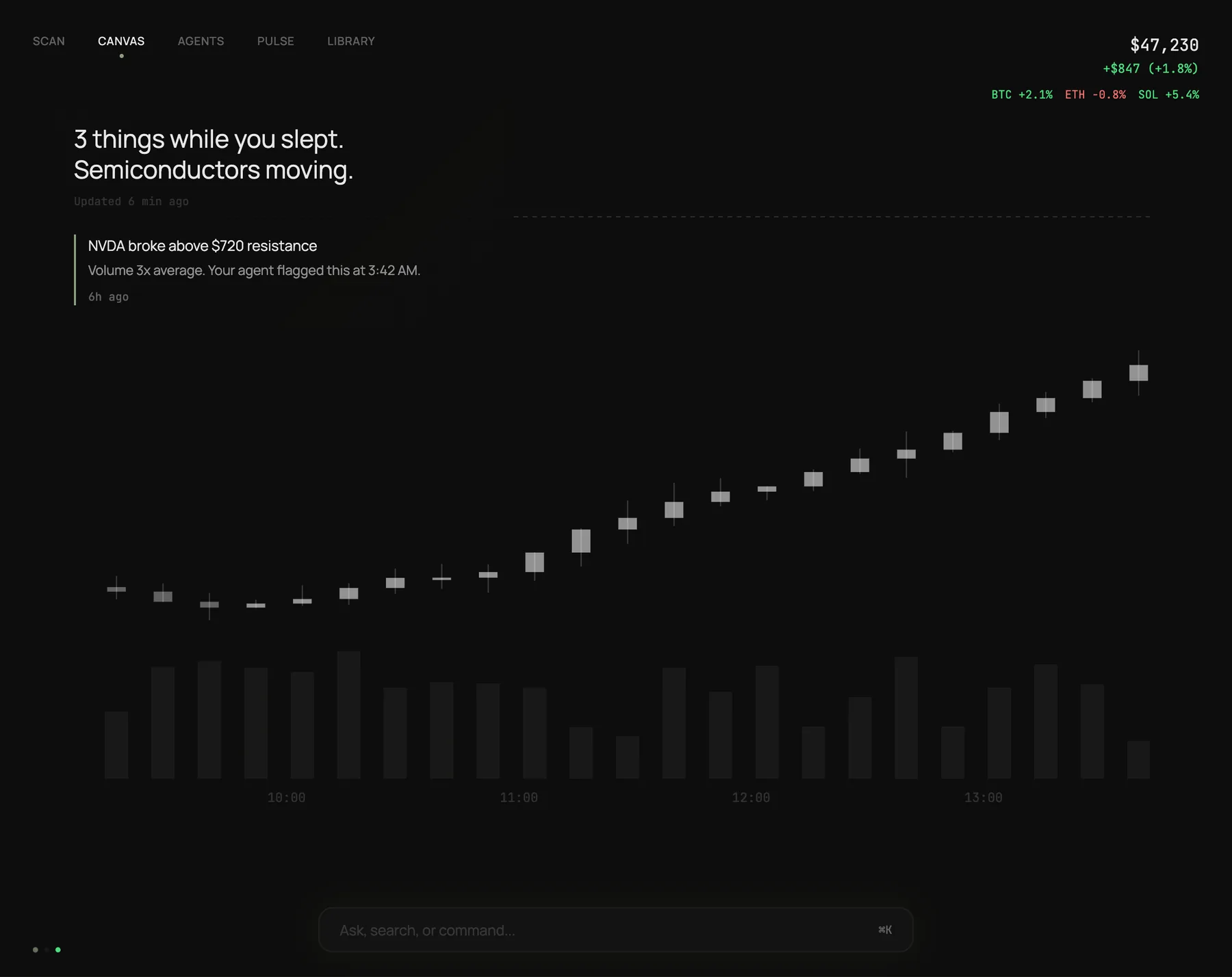
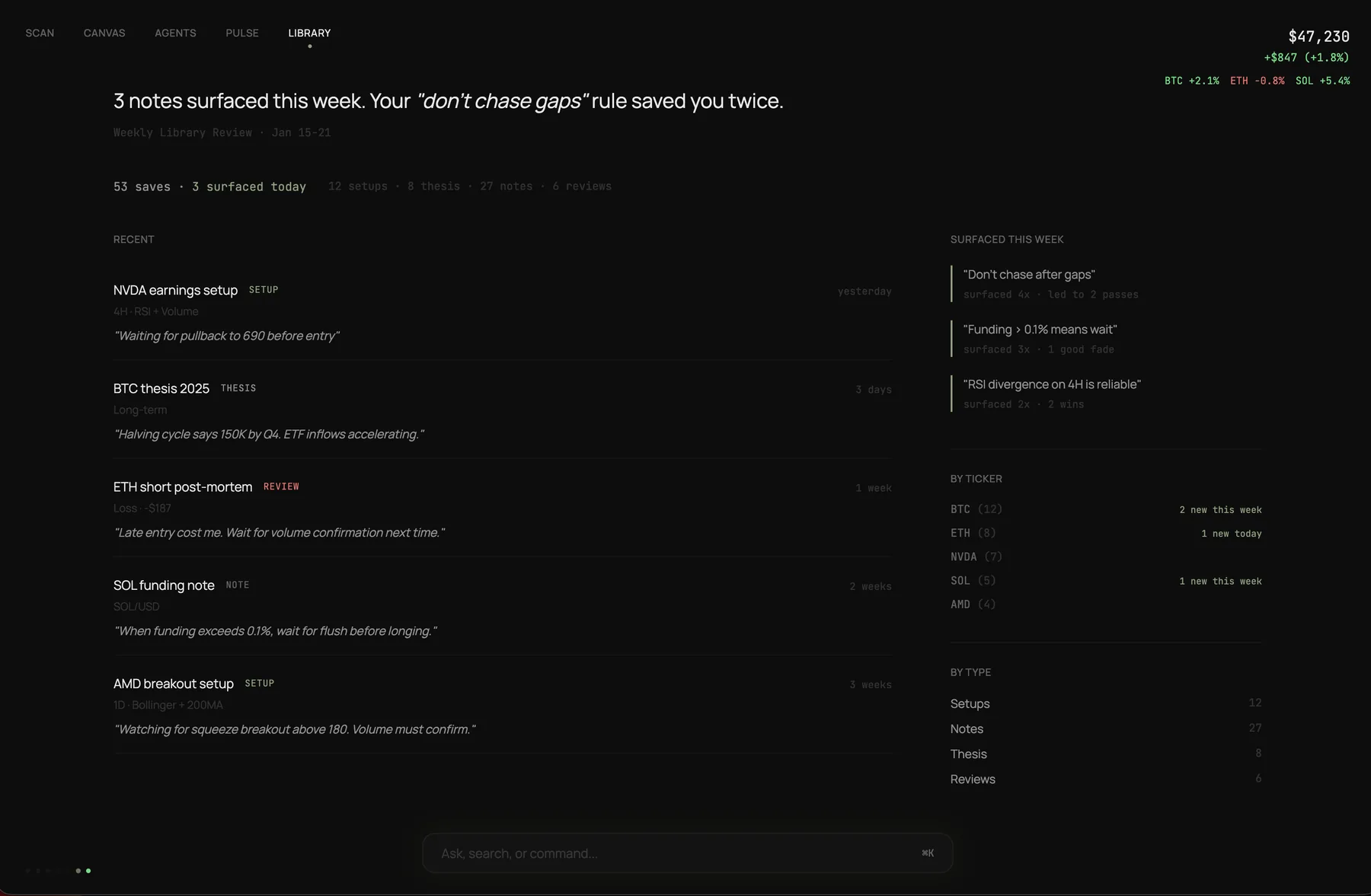
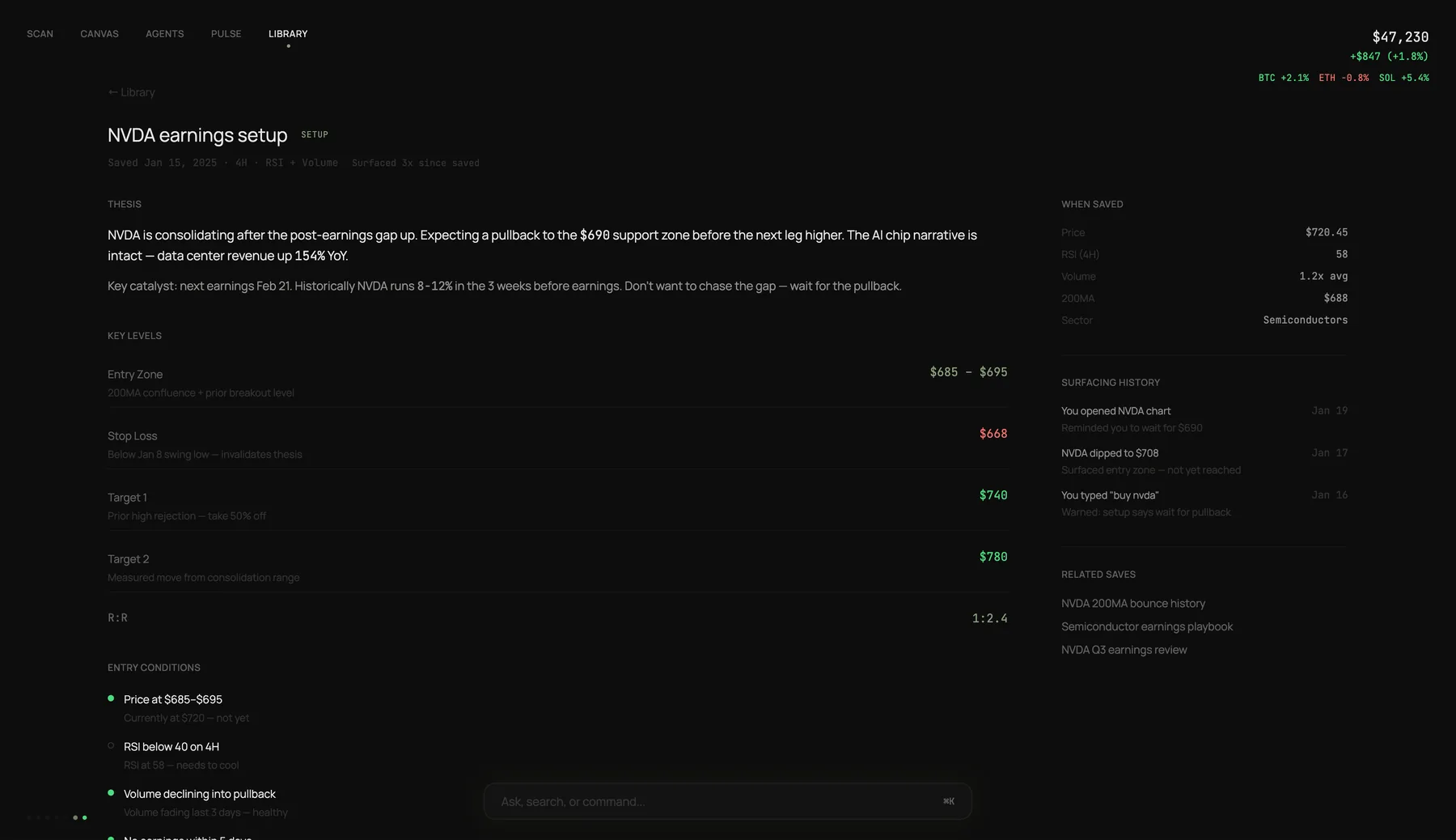
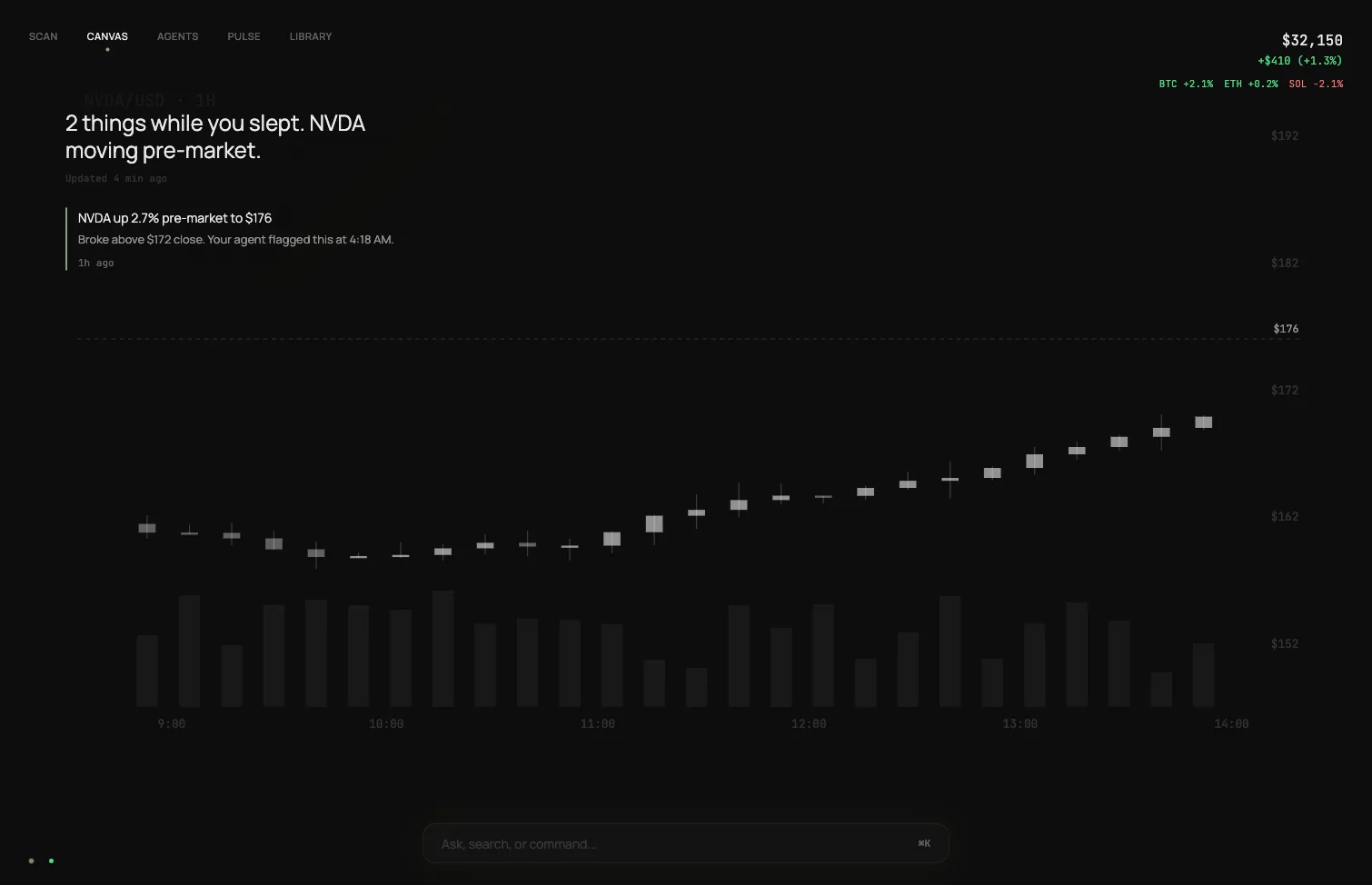
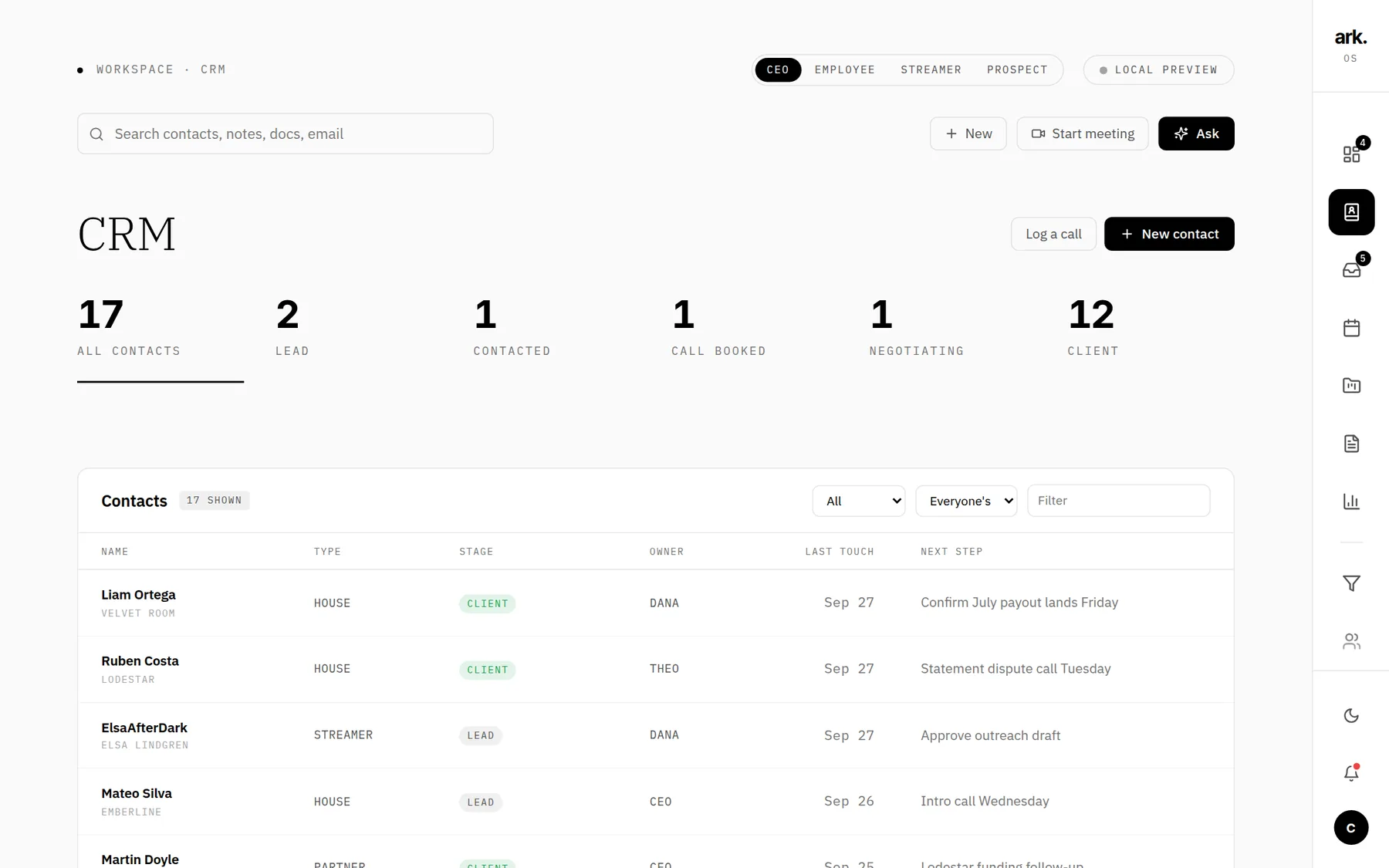
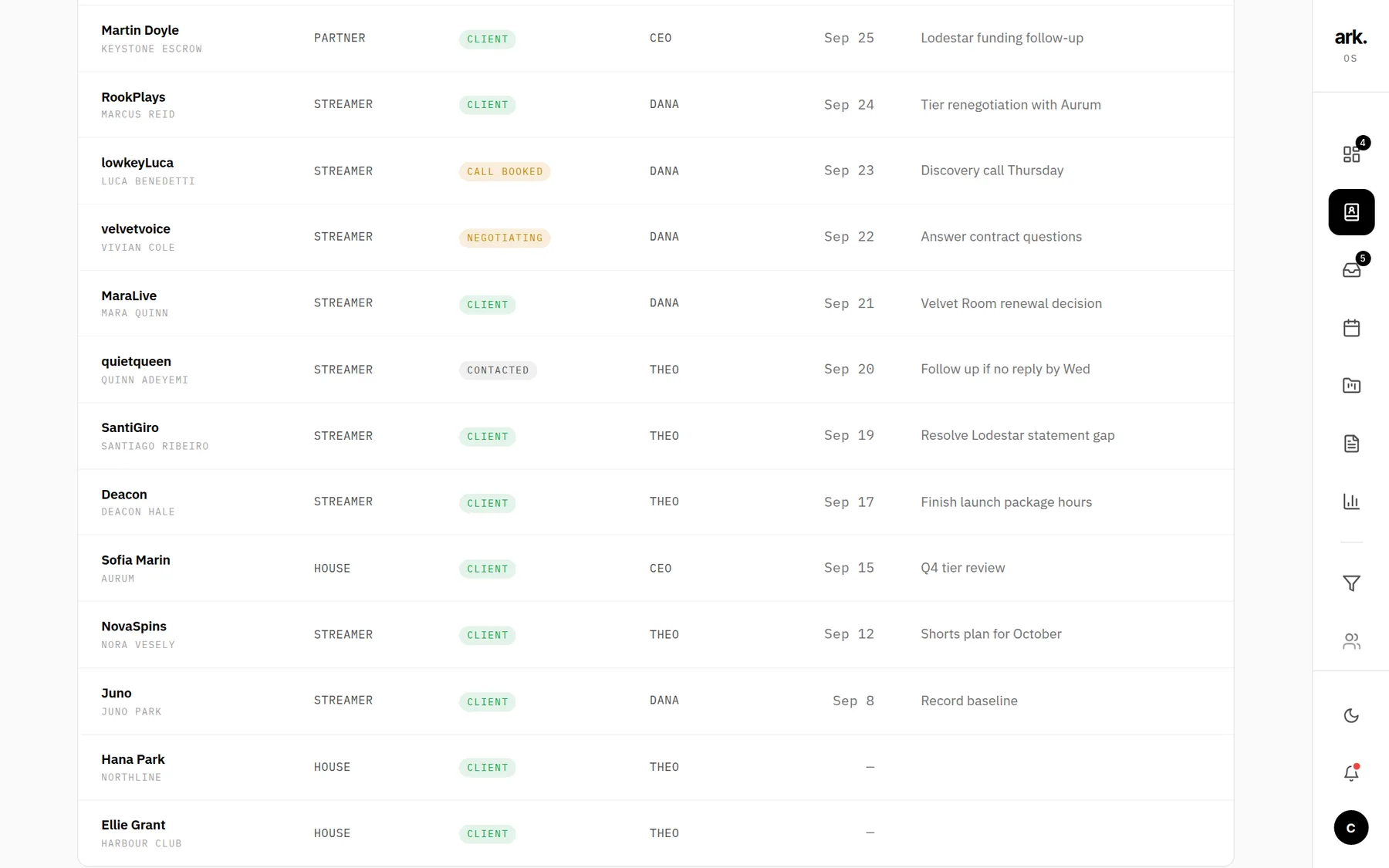
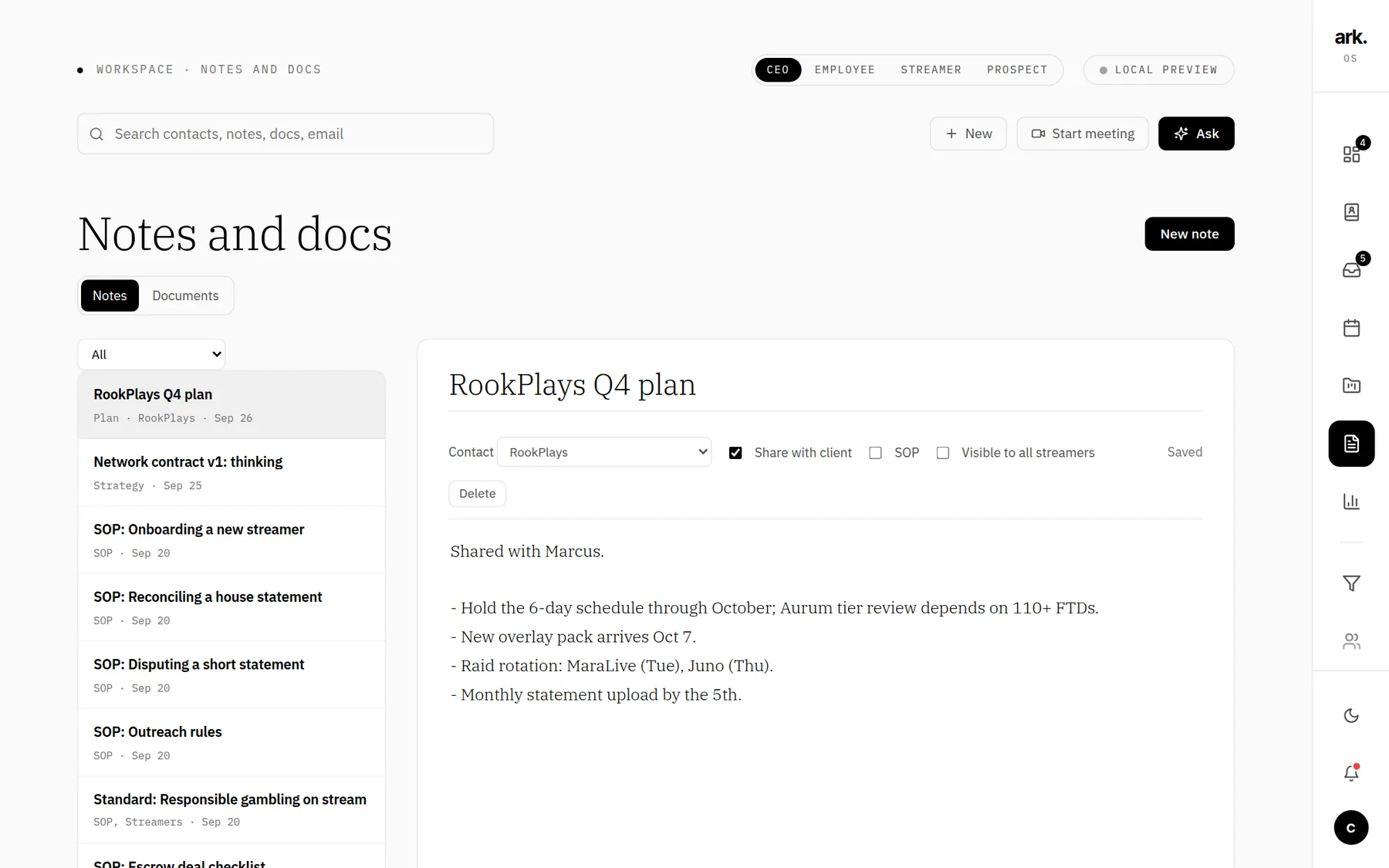
Software for a broker who grows streamers’ communities and places them with sponsors, for a share of what they earn. Four roles, fourteen views, light and dark. It was on the front page of this site until October 2026. Then he took me on as a partner to help the business scale. We set it up as an agency, Kennedy & Hargrave, and I rebuilt this as the software the agency runs on.
The screens, revisited
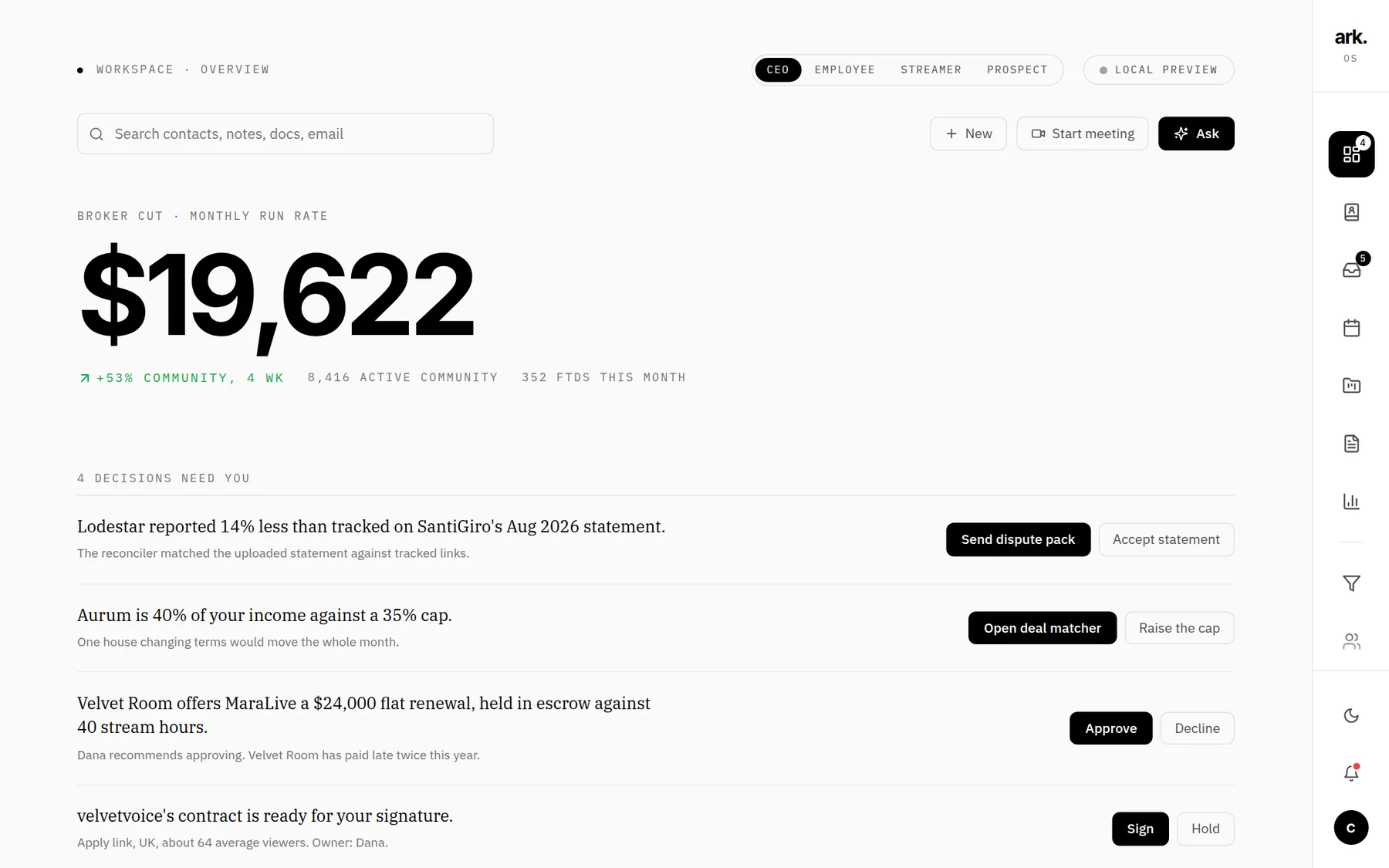
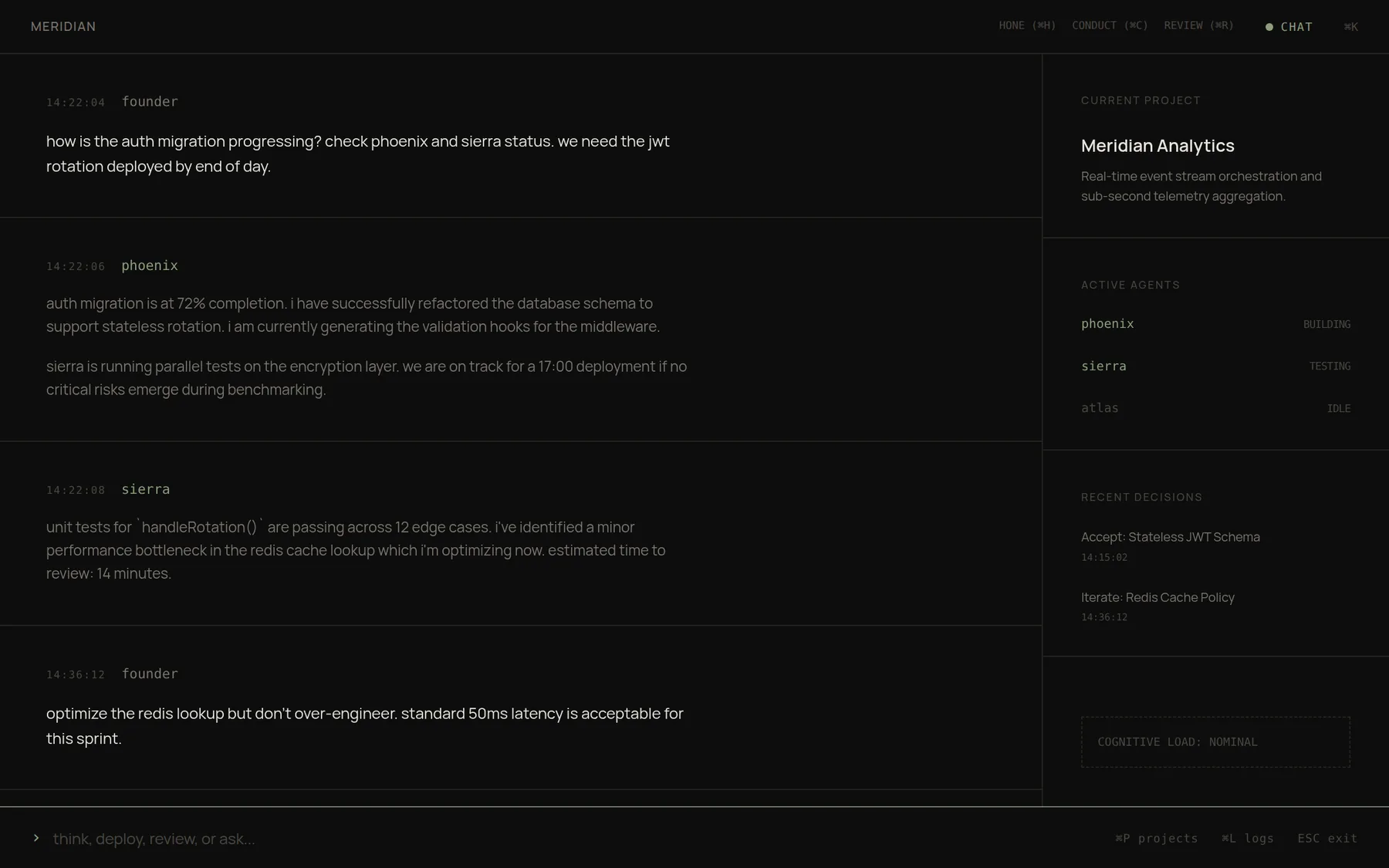
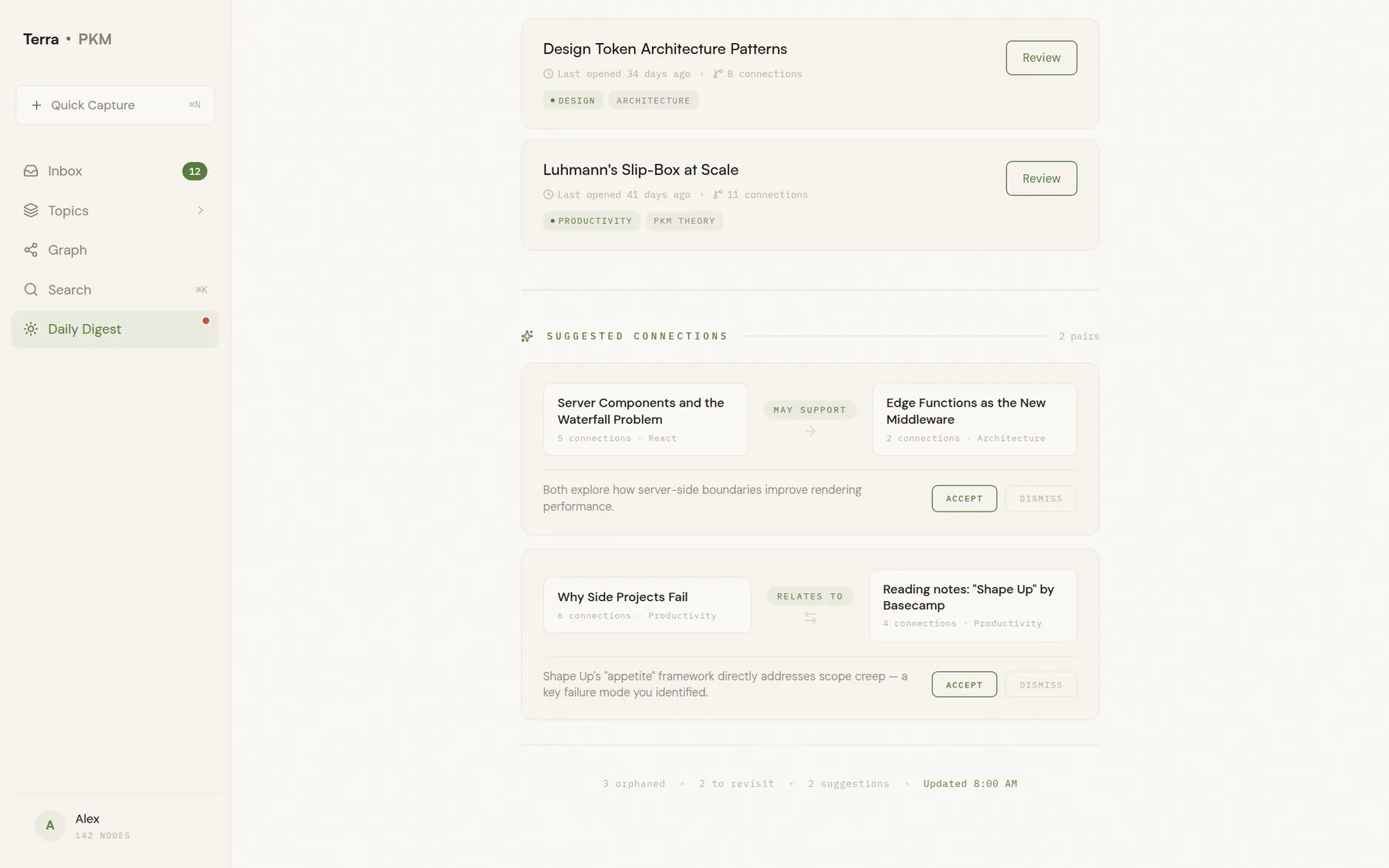
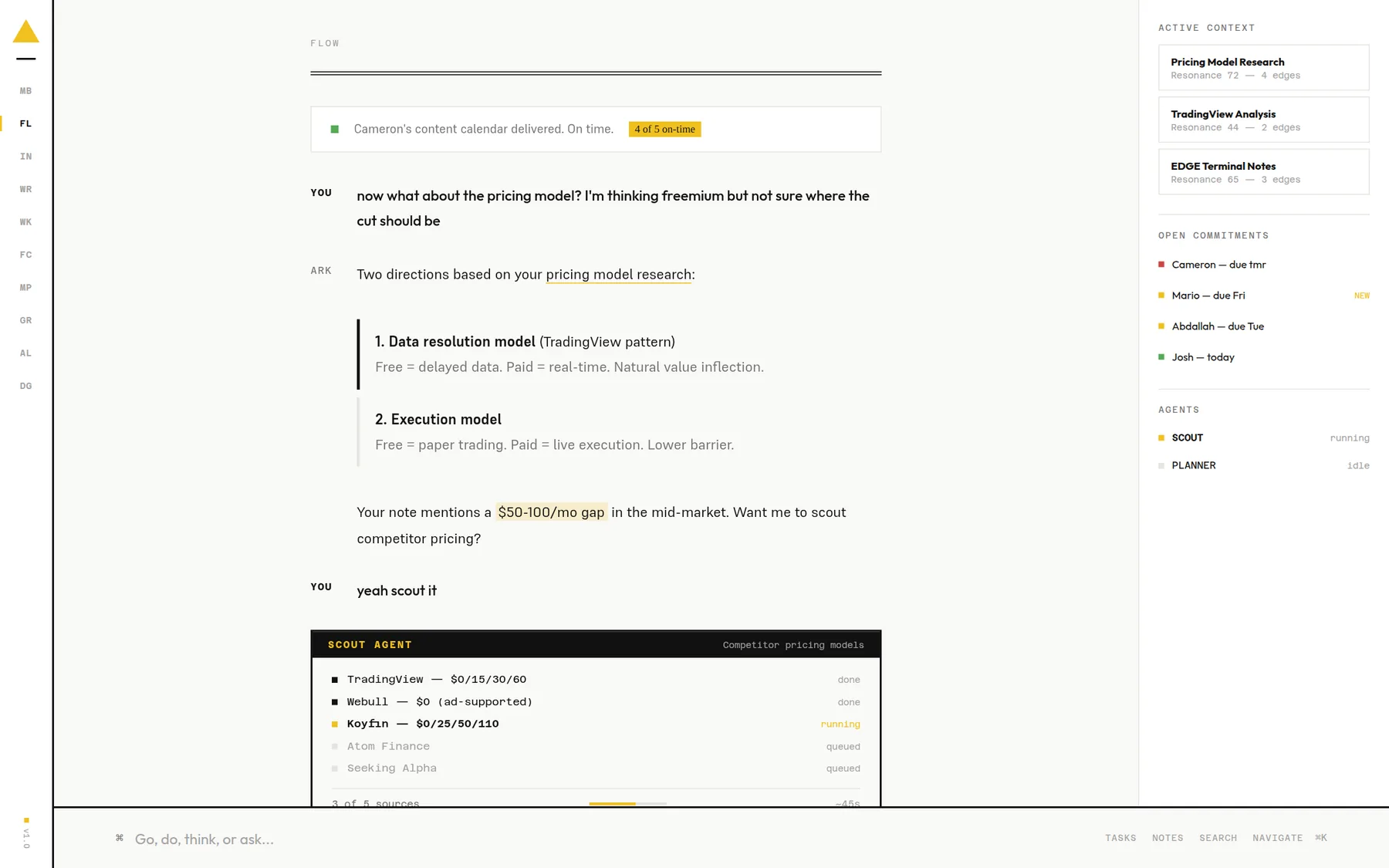
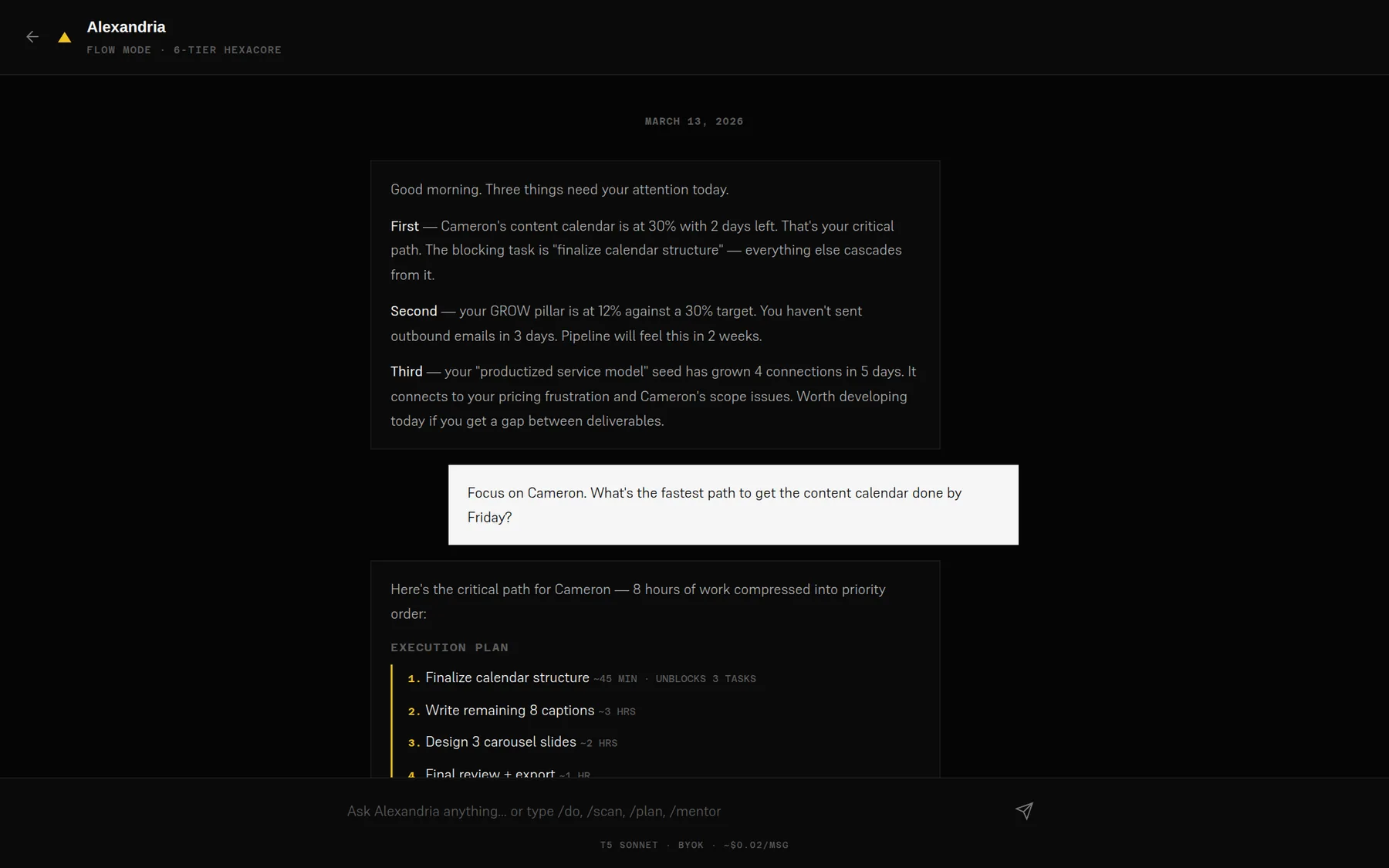
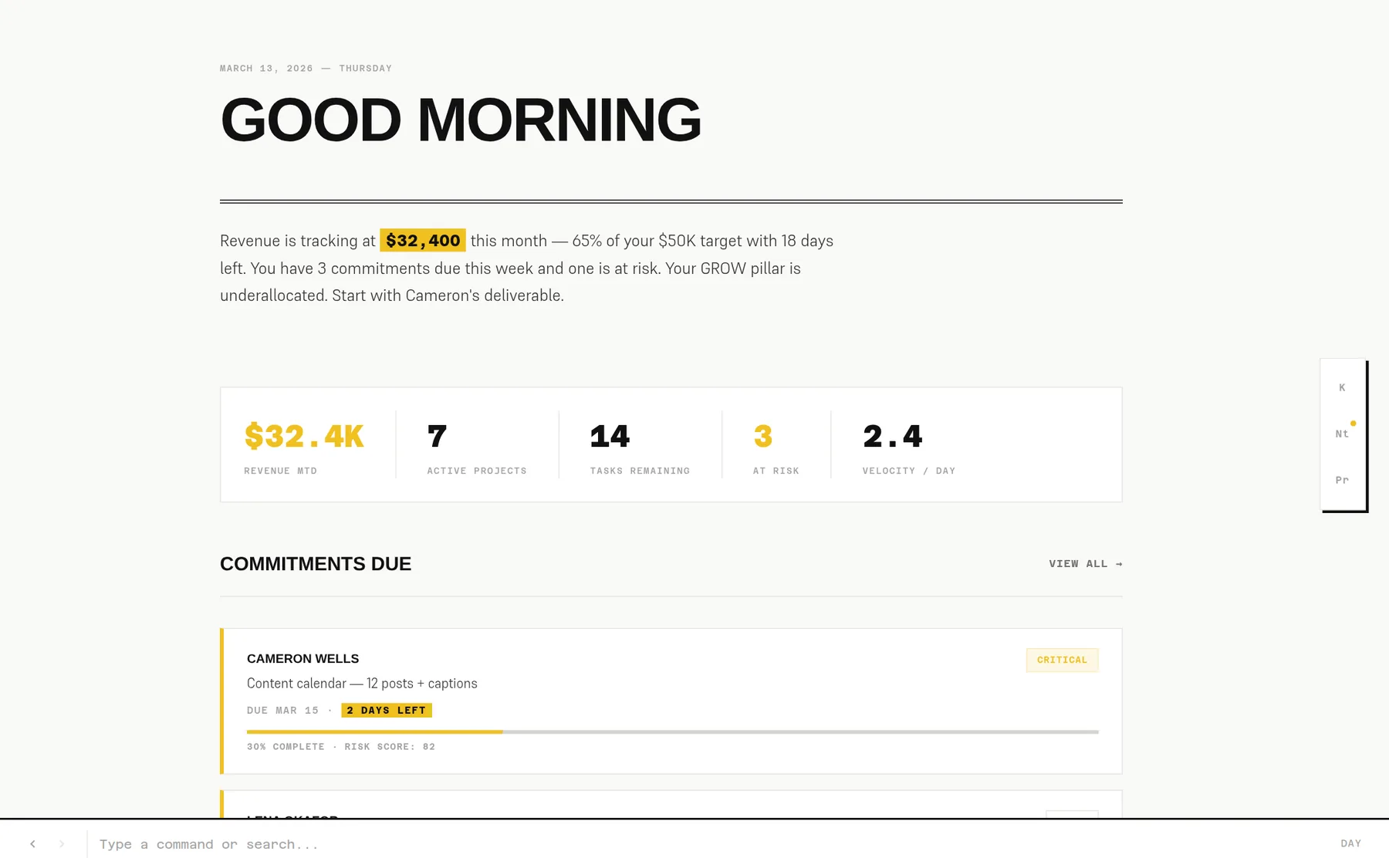
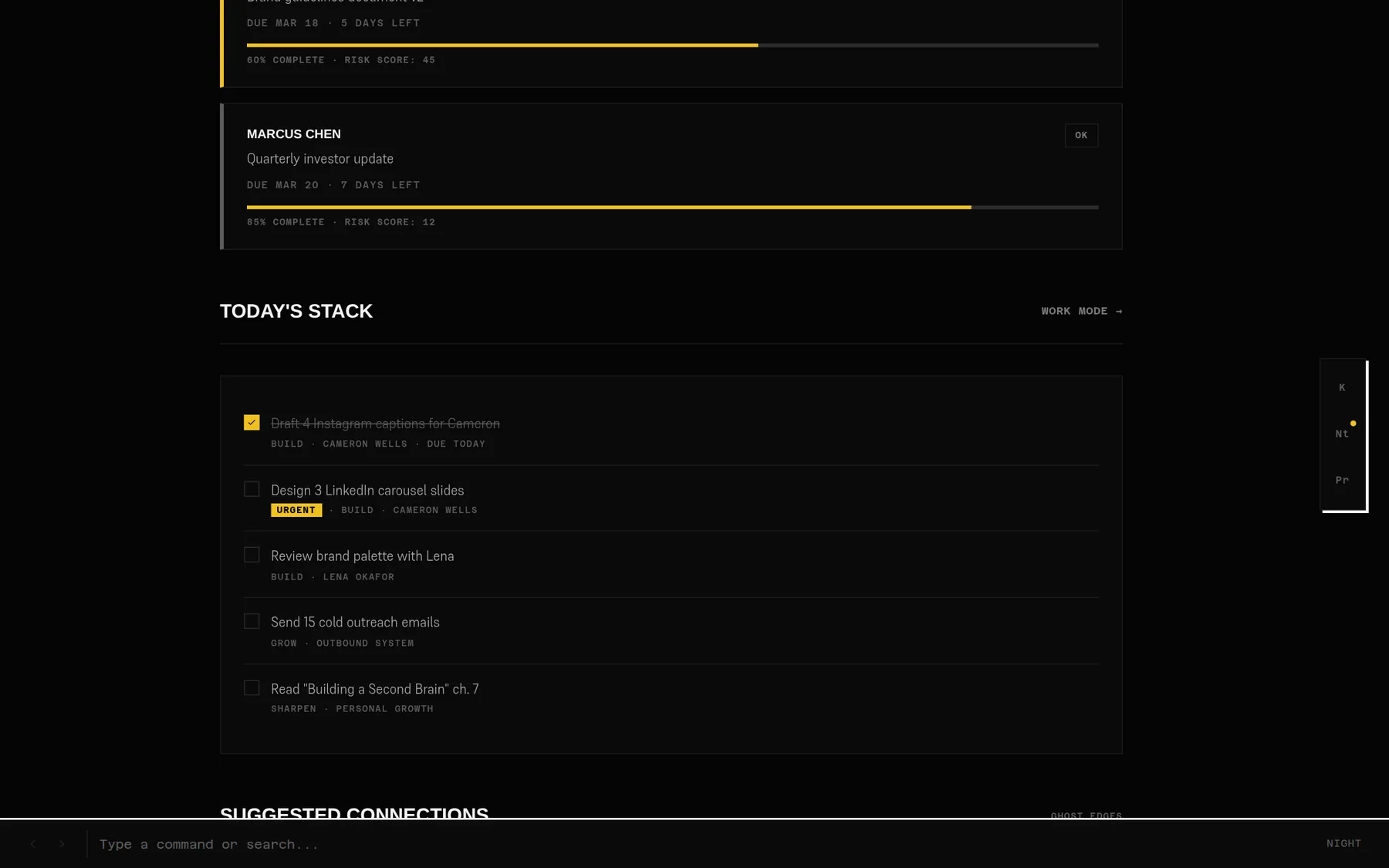
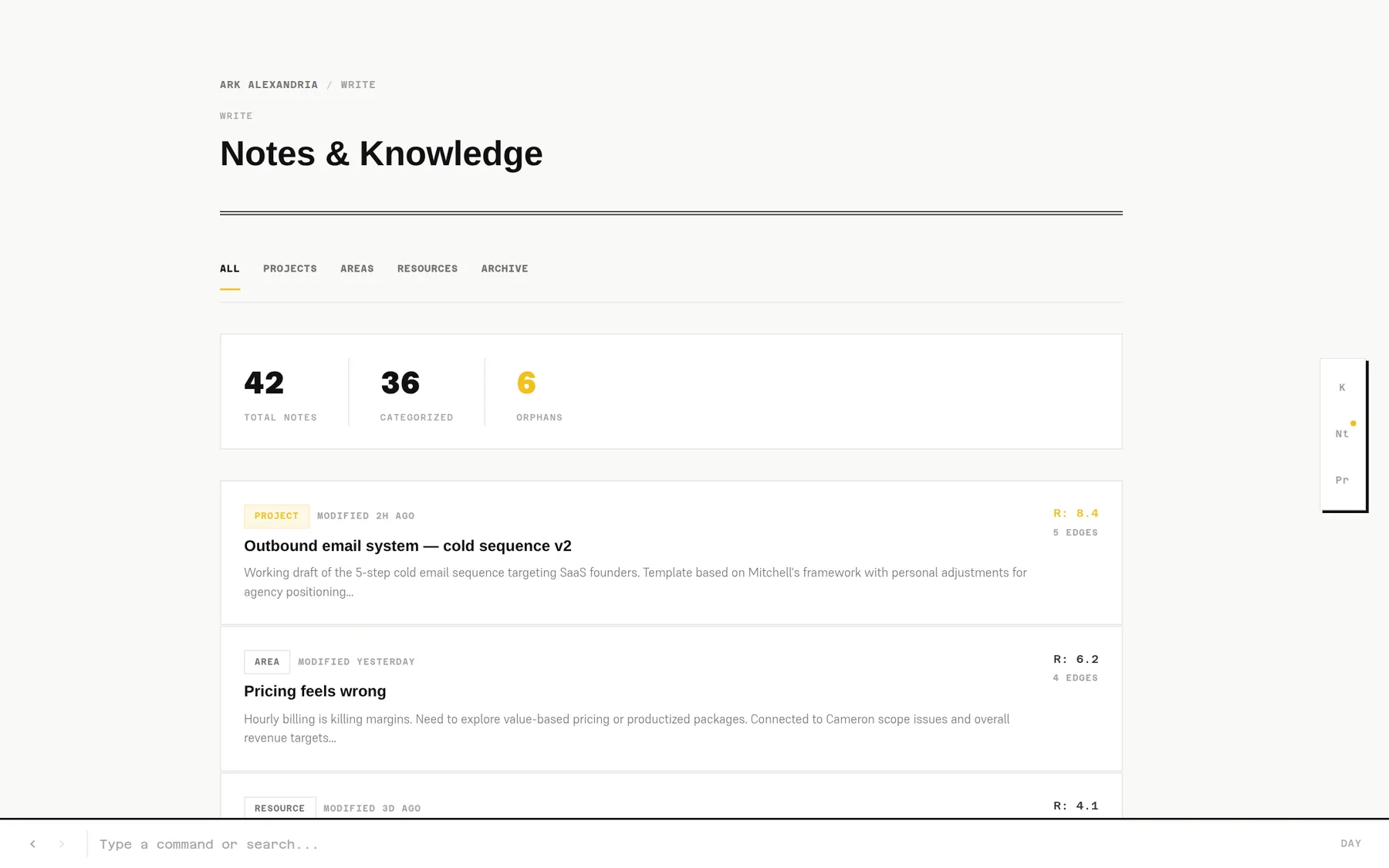
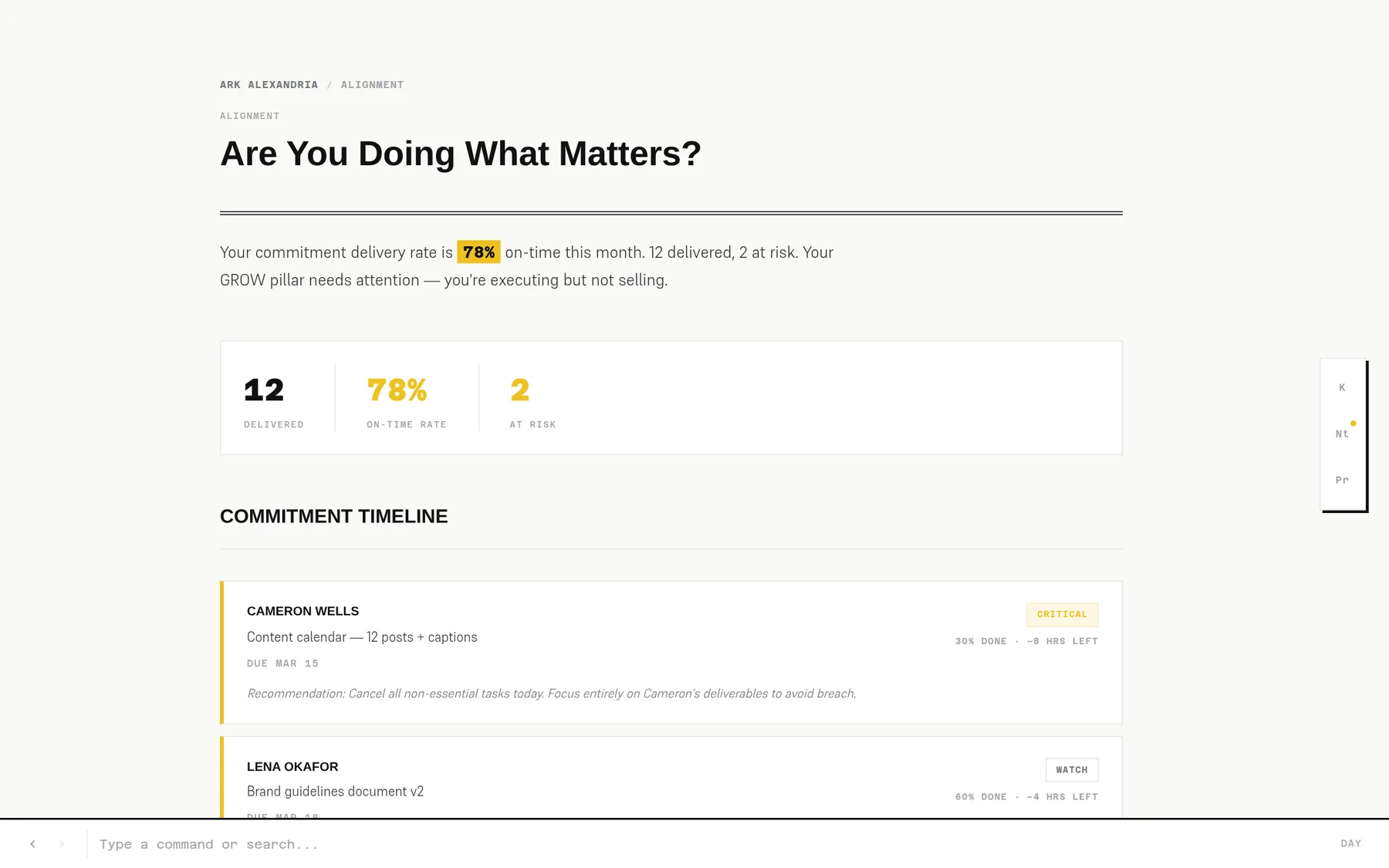
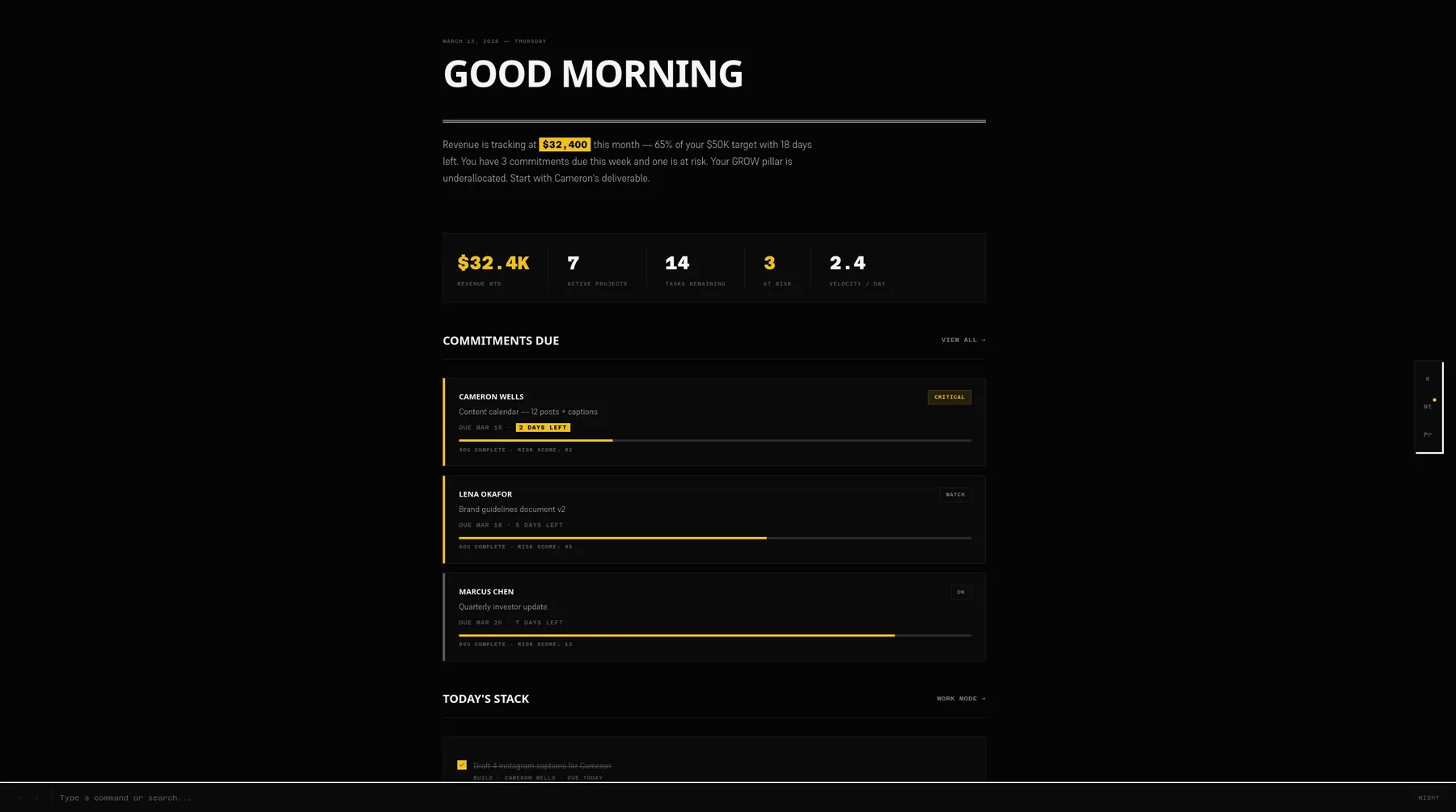
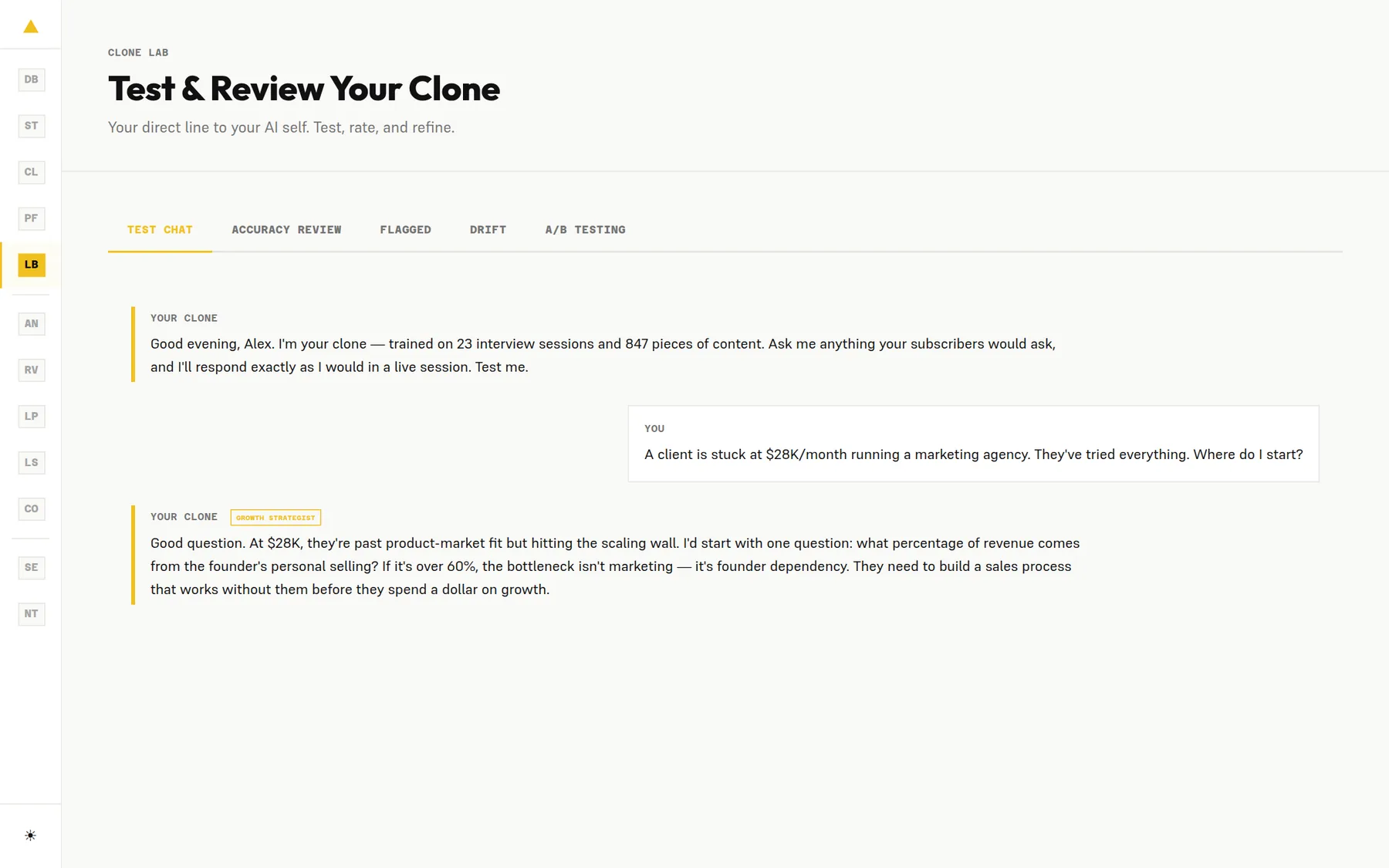
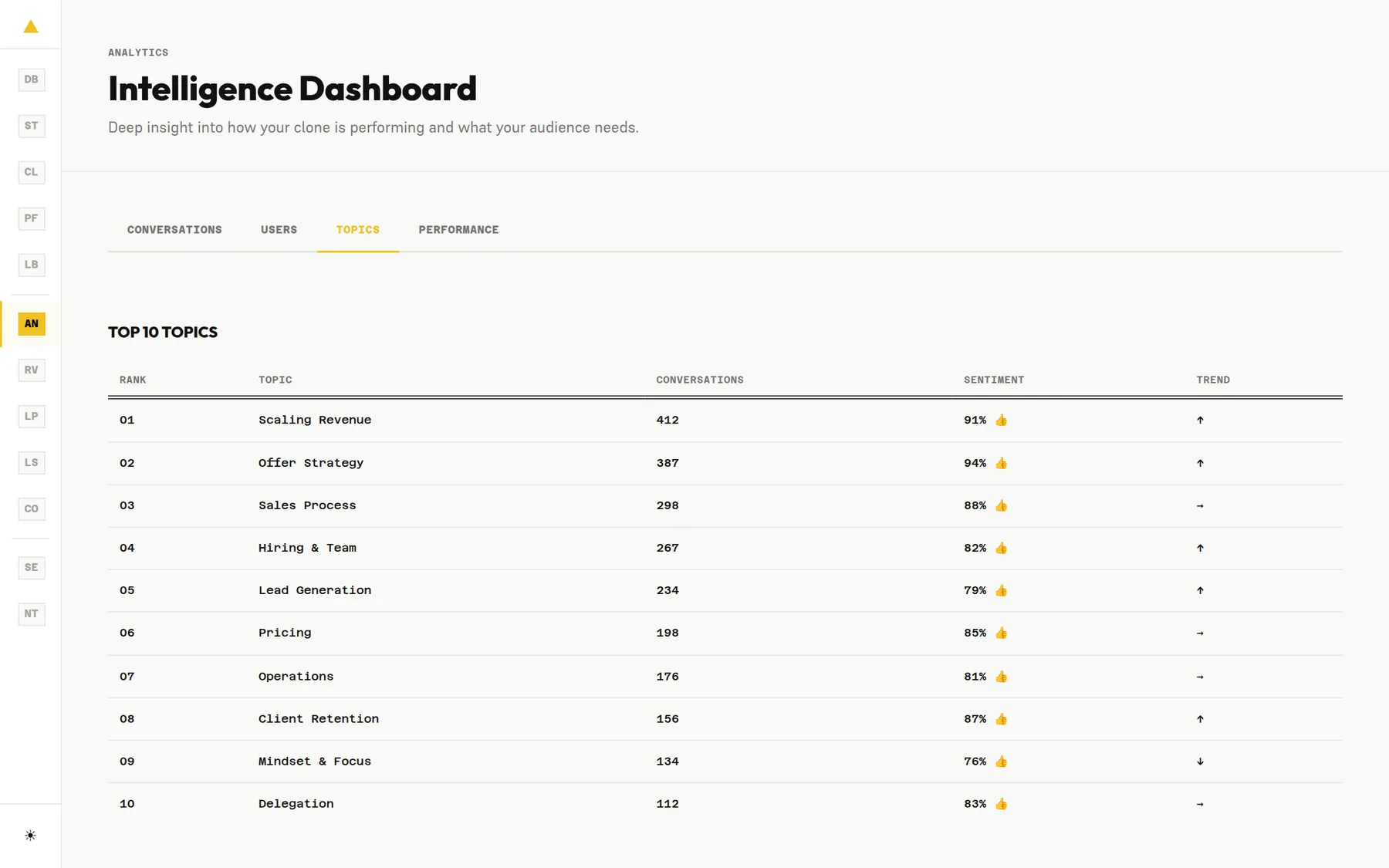
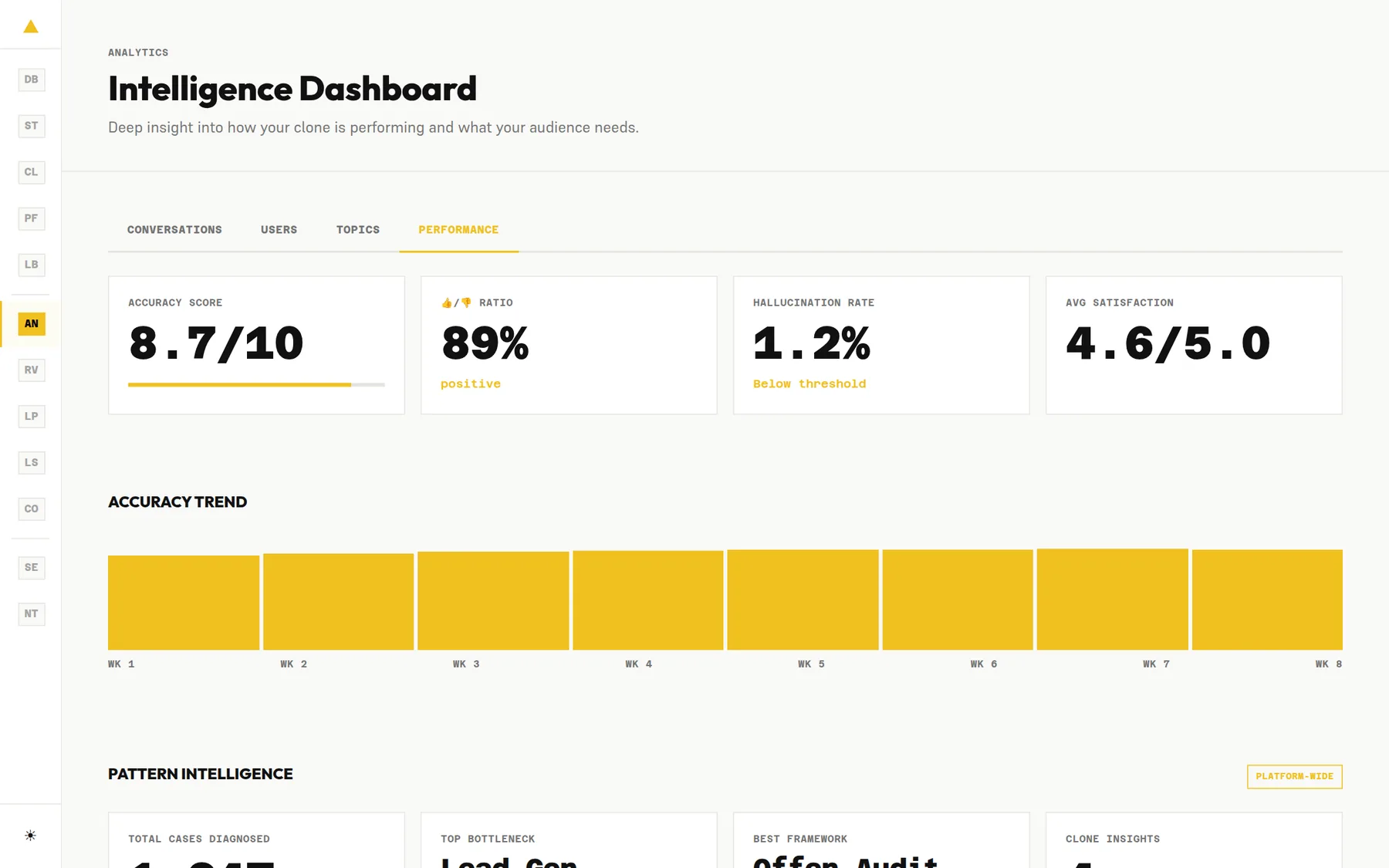
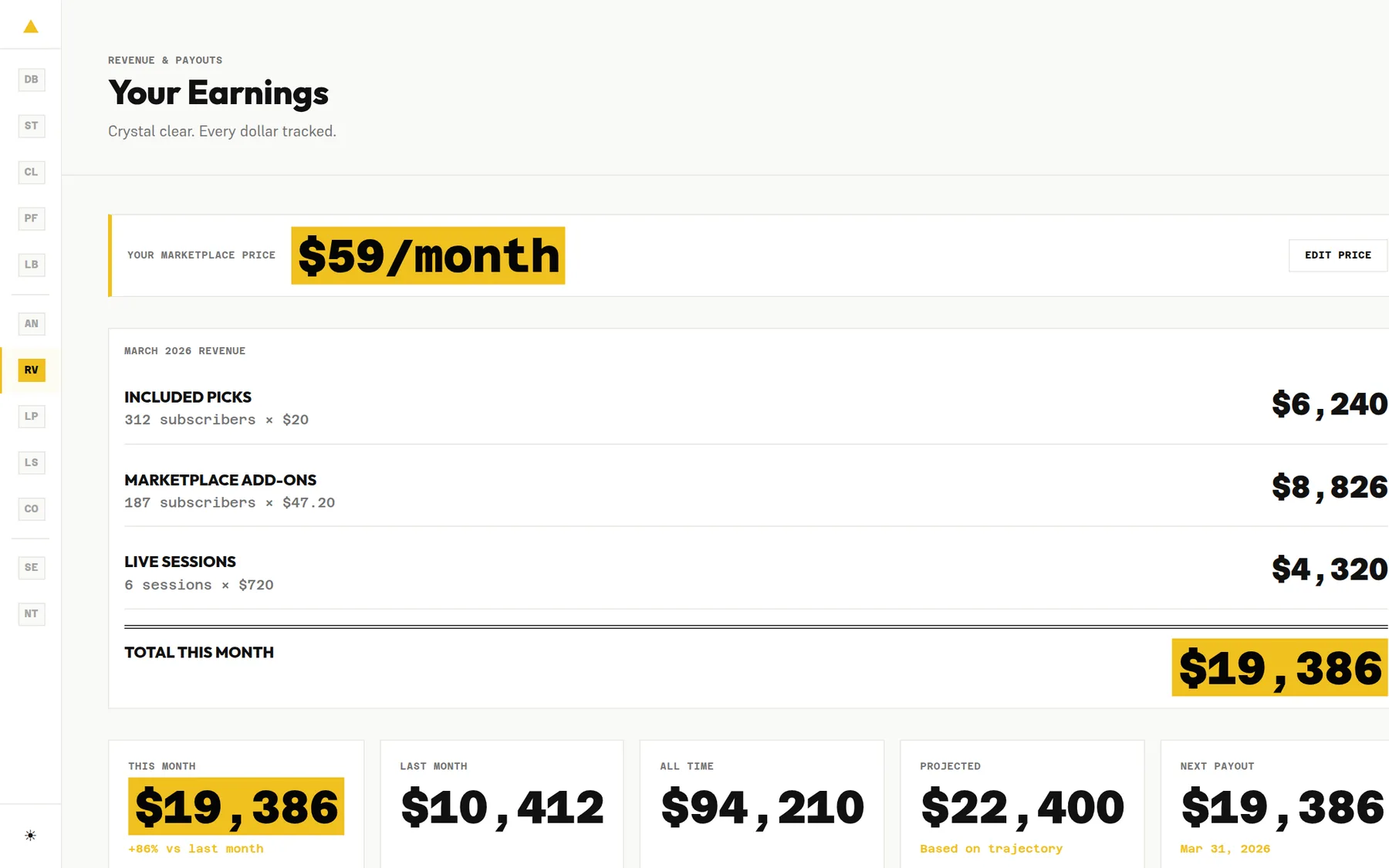
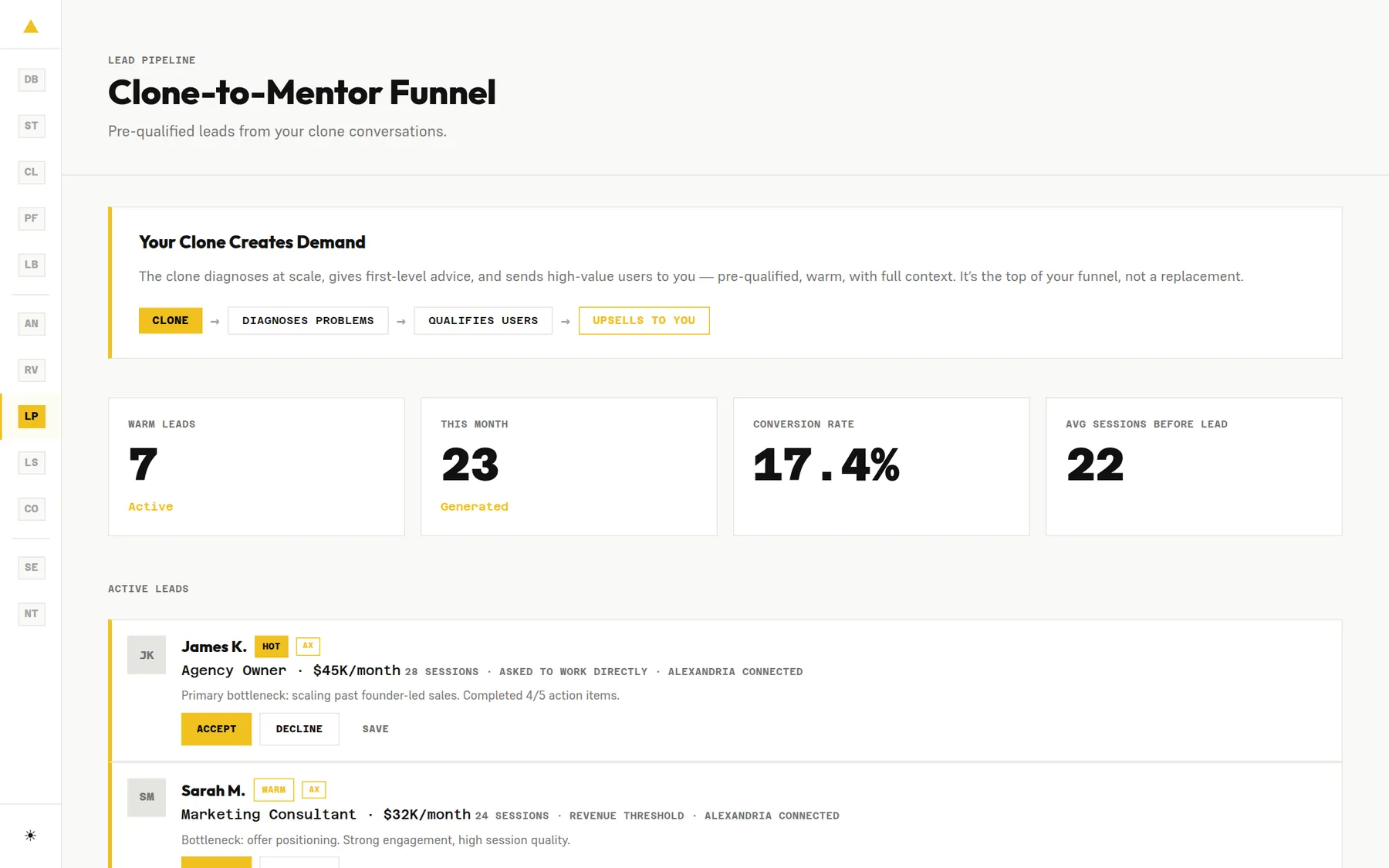
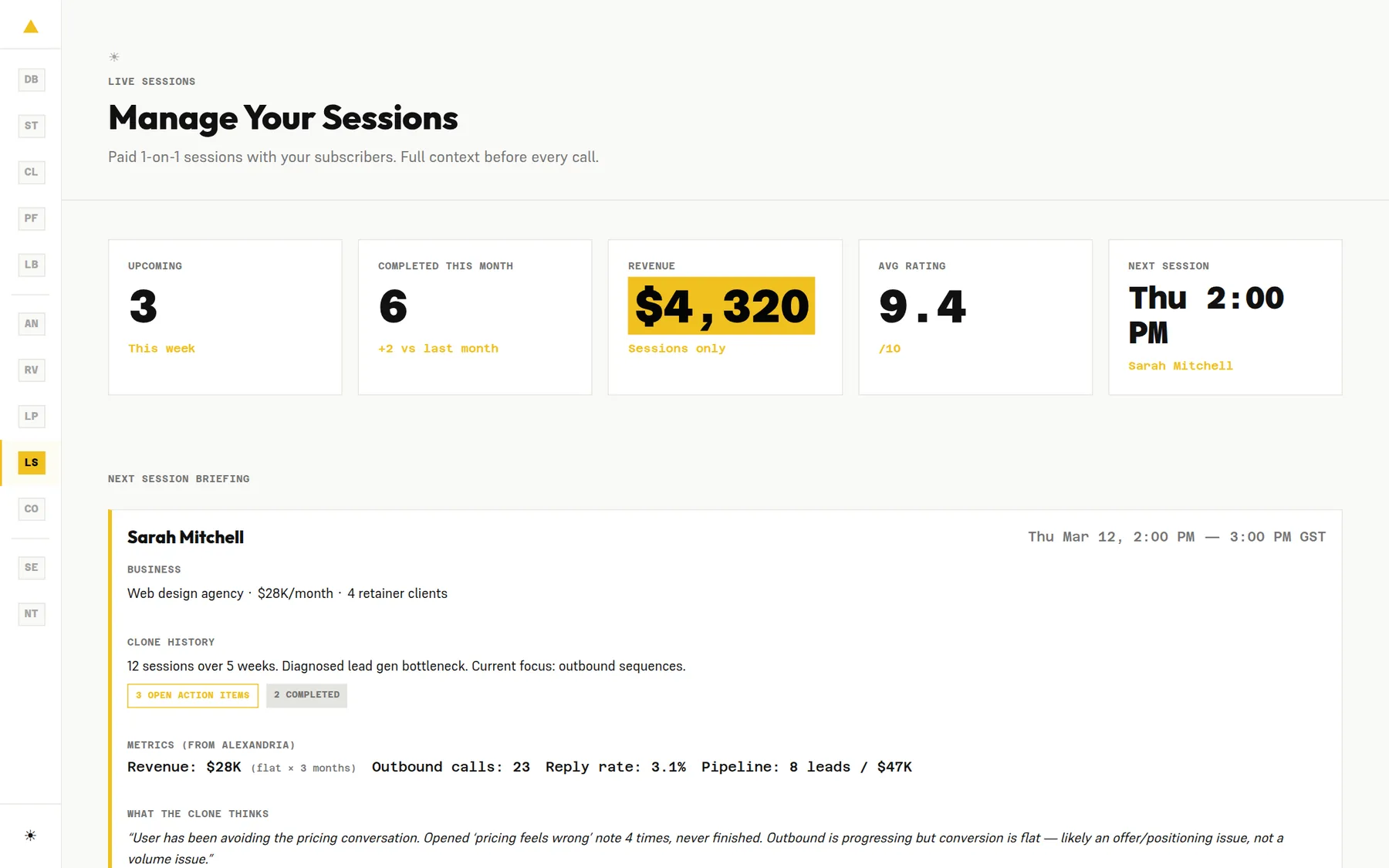
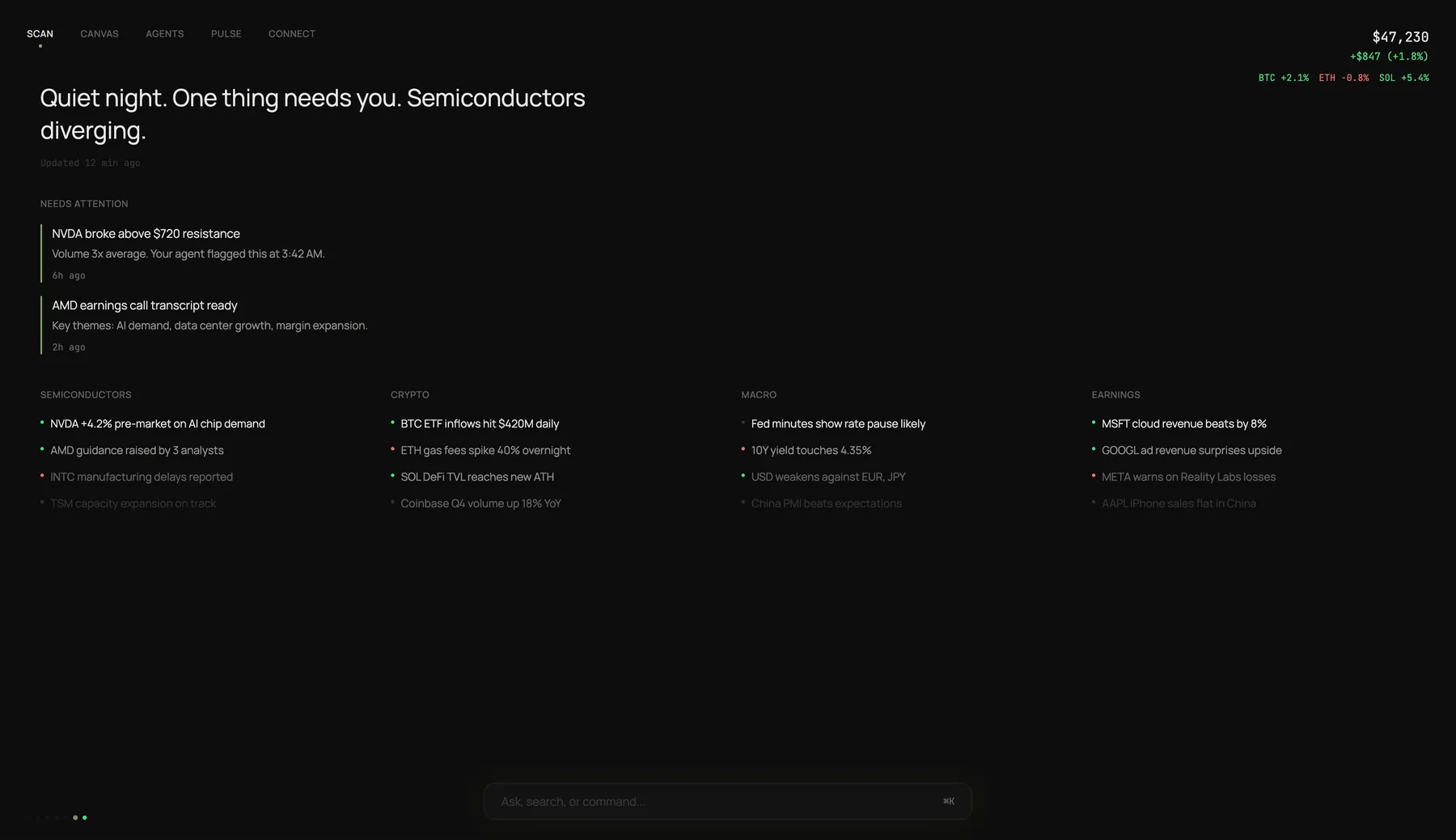
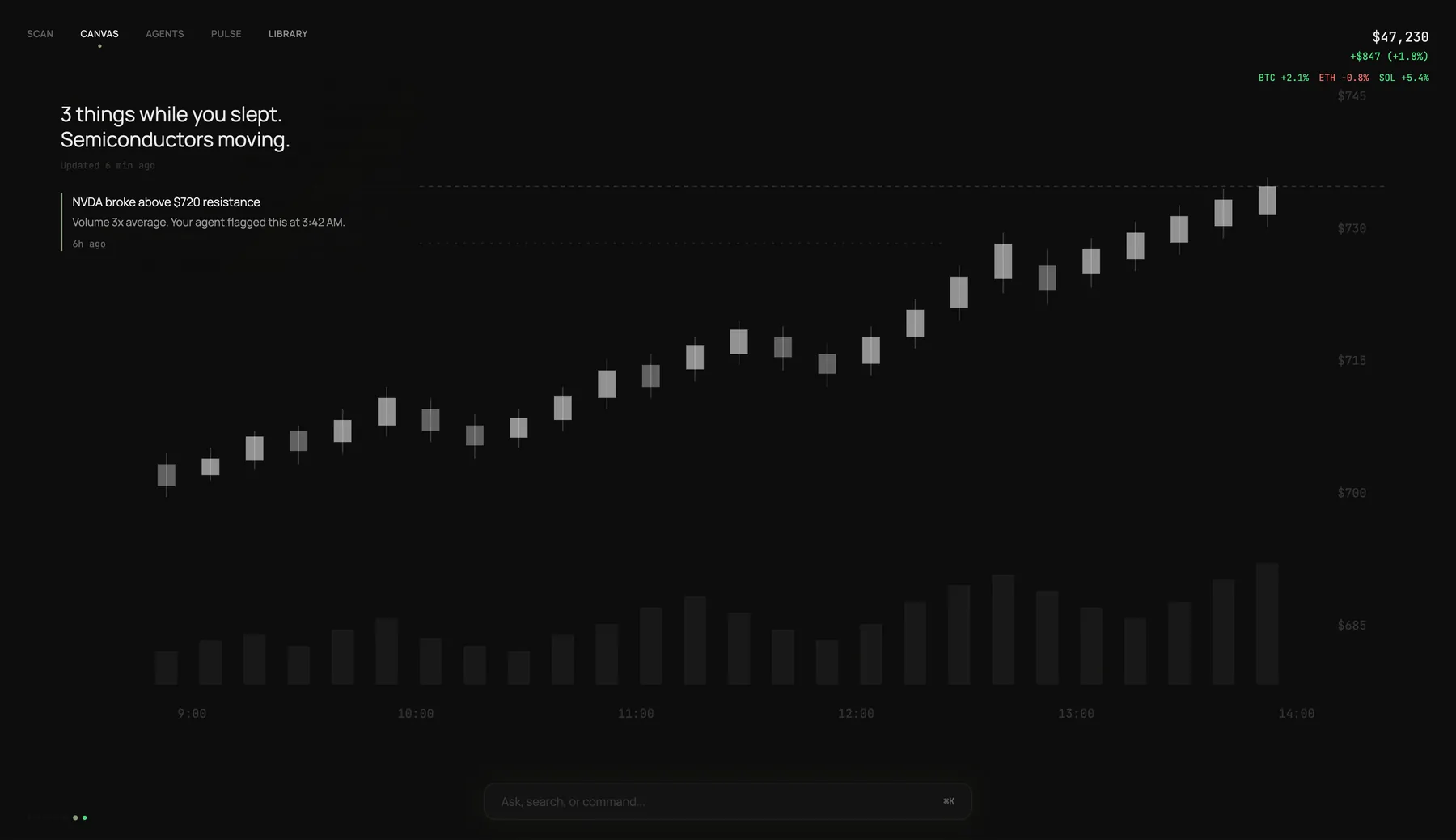
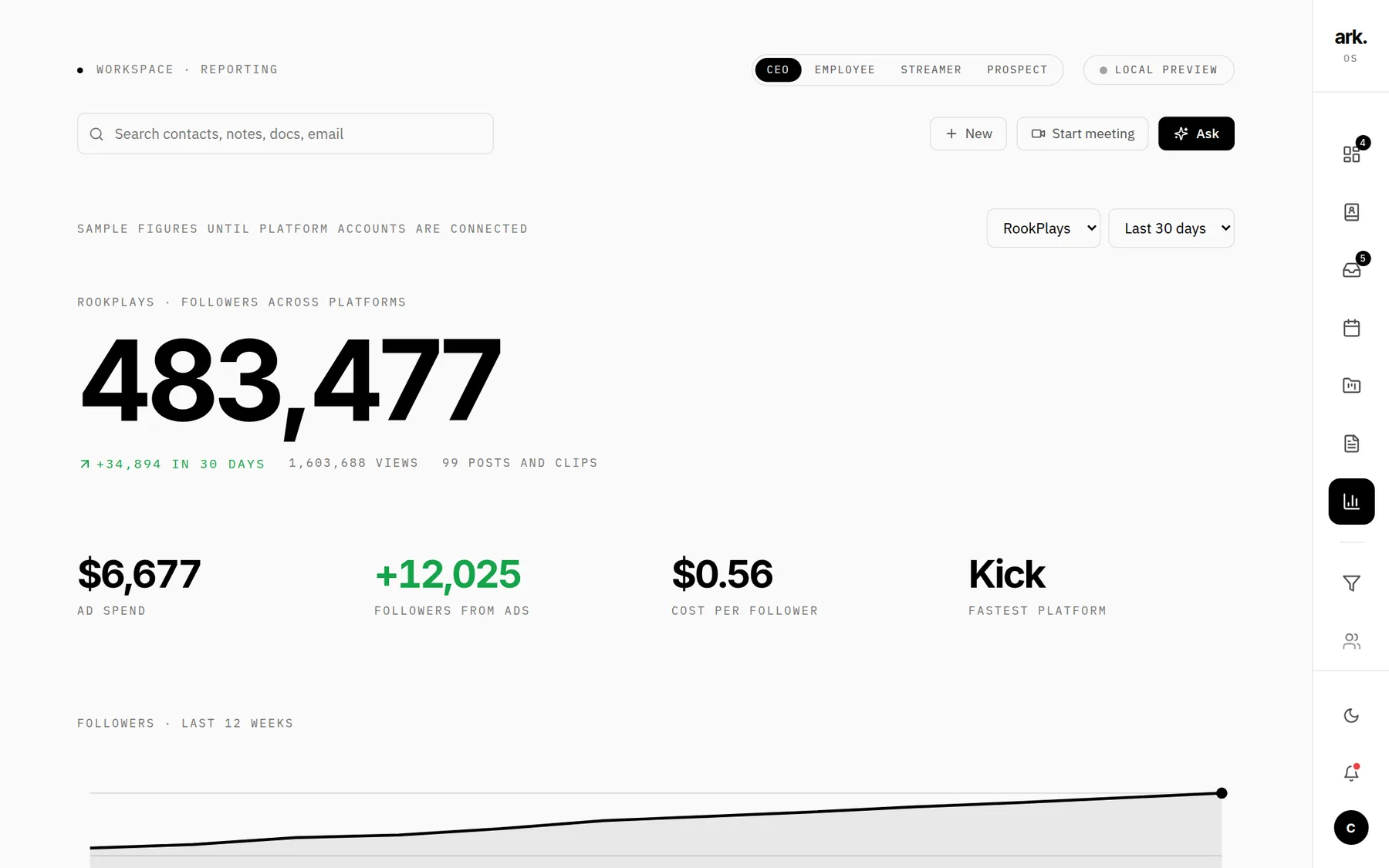
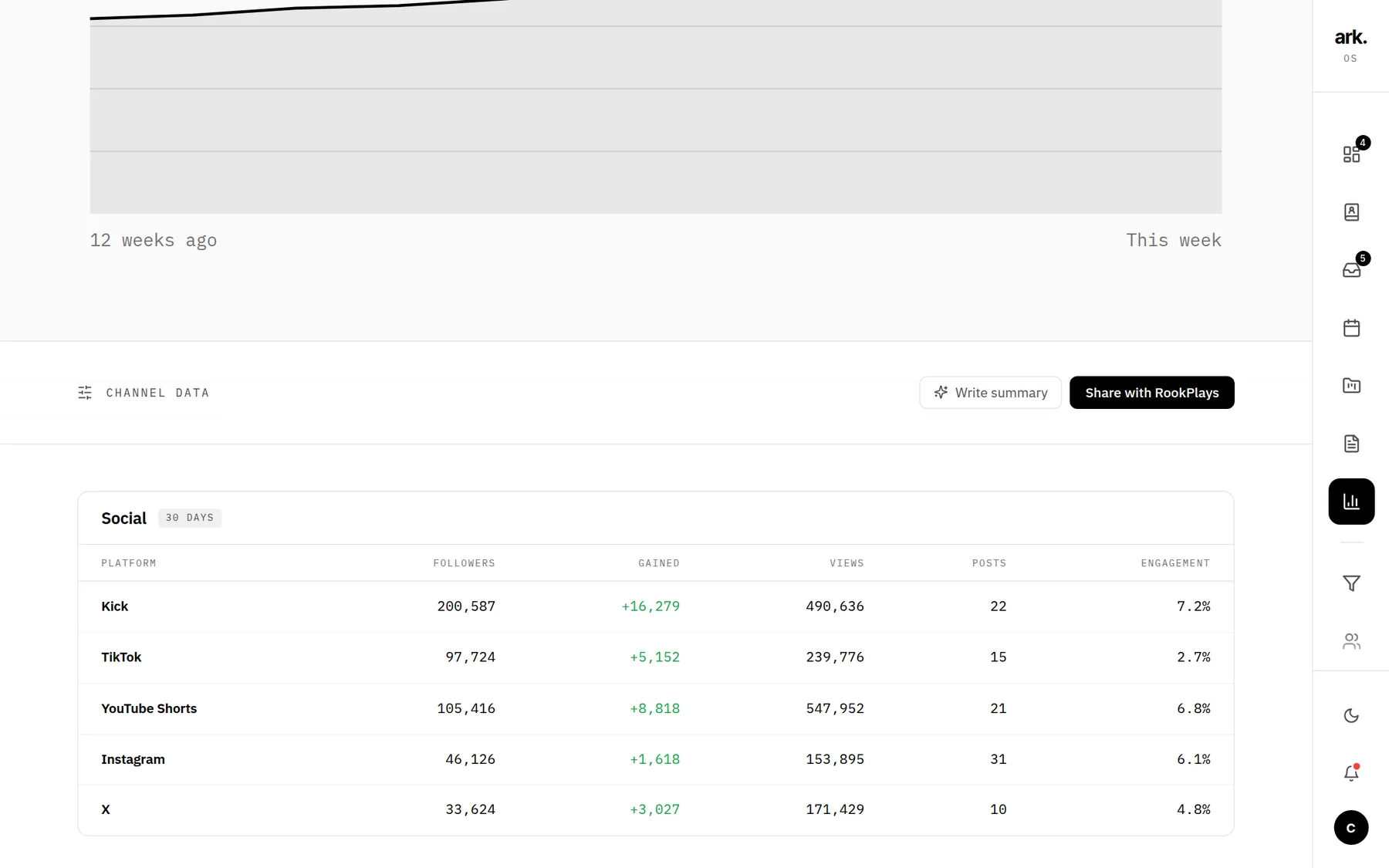
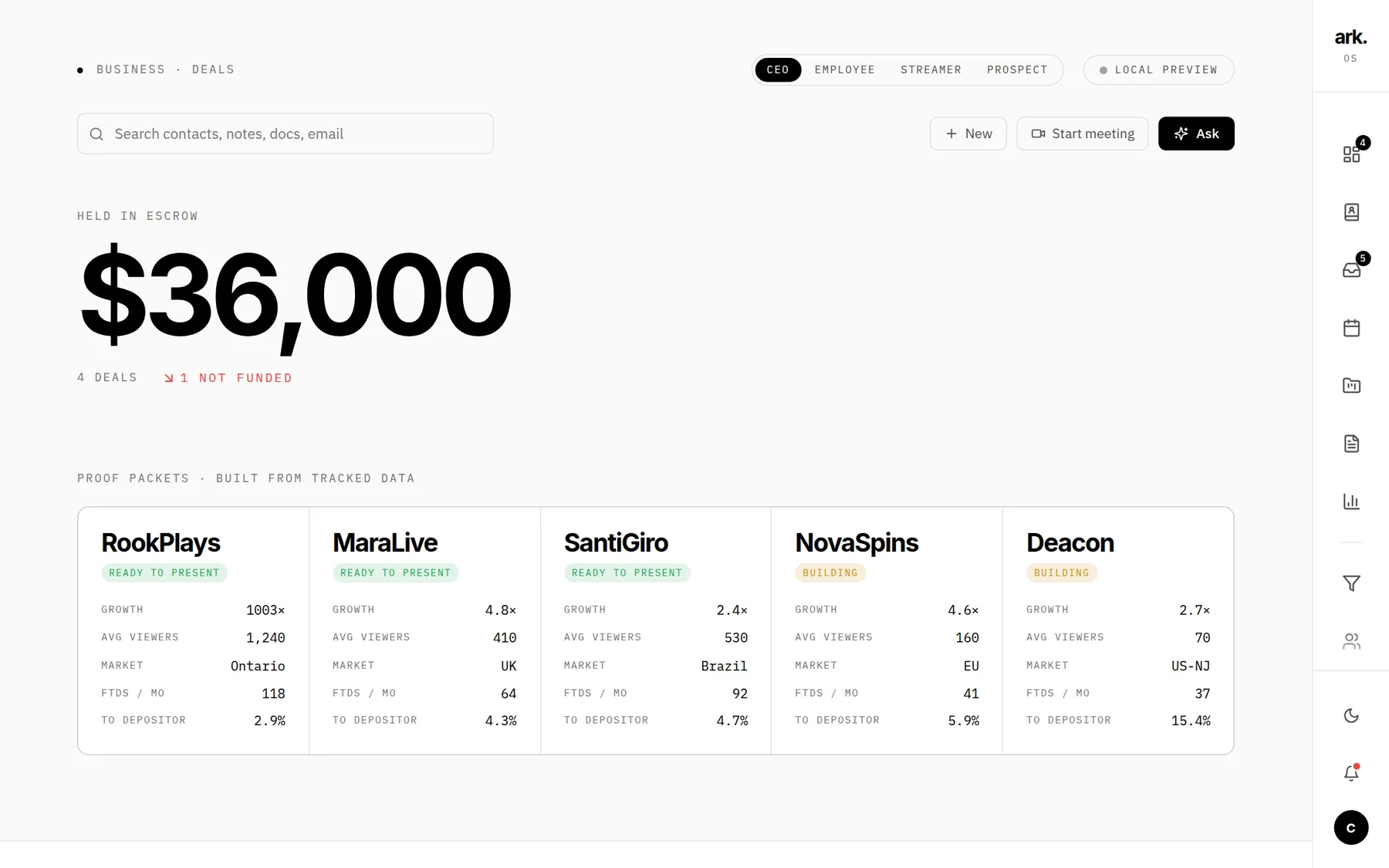
Broker cut, then four decisions, each with the fact, the risk and two answers. I kept every one of those rows. What I did not keep is the first two words. The headline of the whole product is the broker’s own take, and nothing on the screen says whose side he is on.
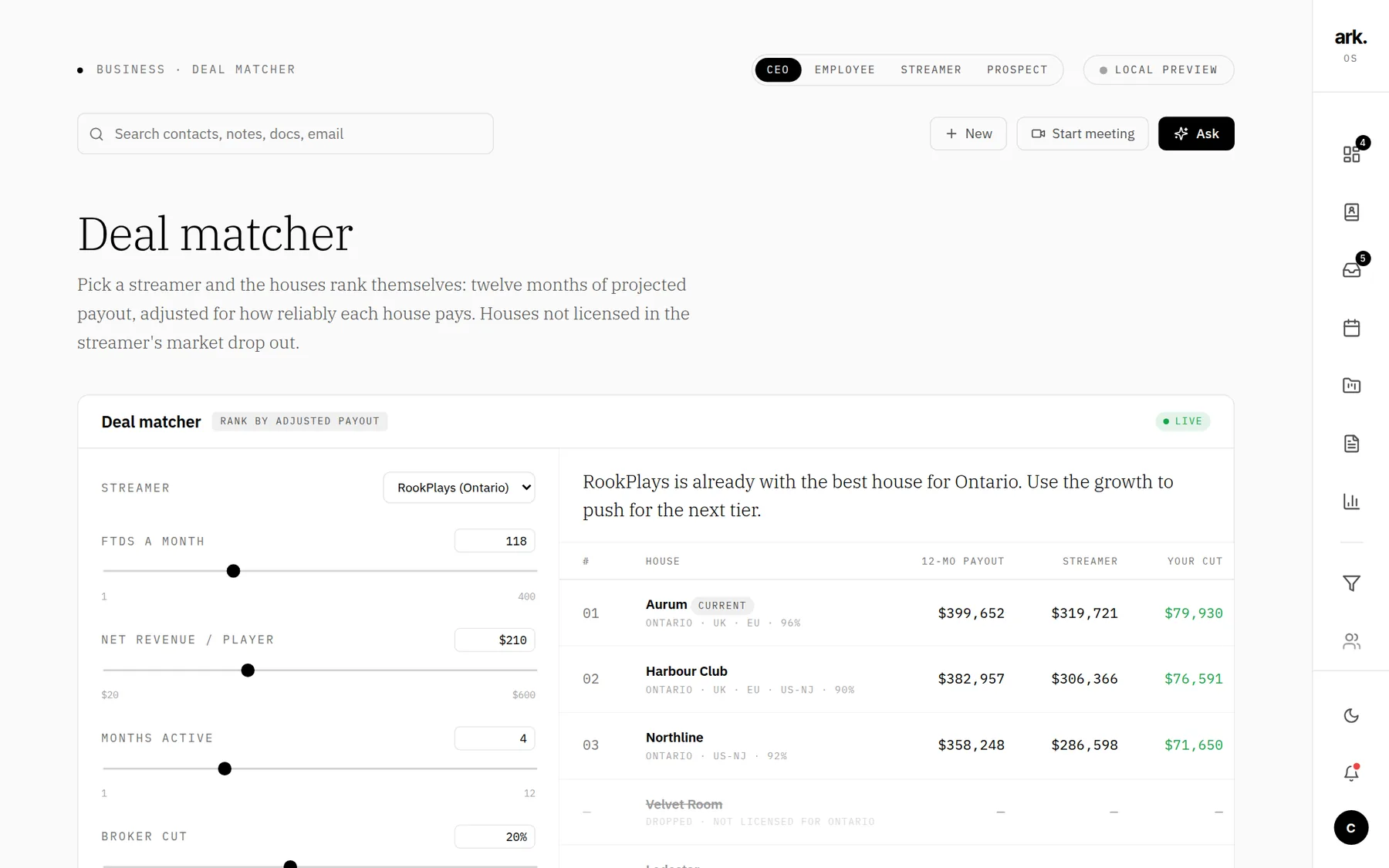
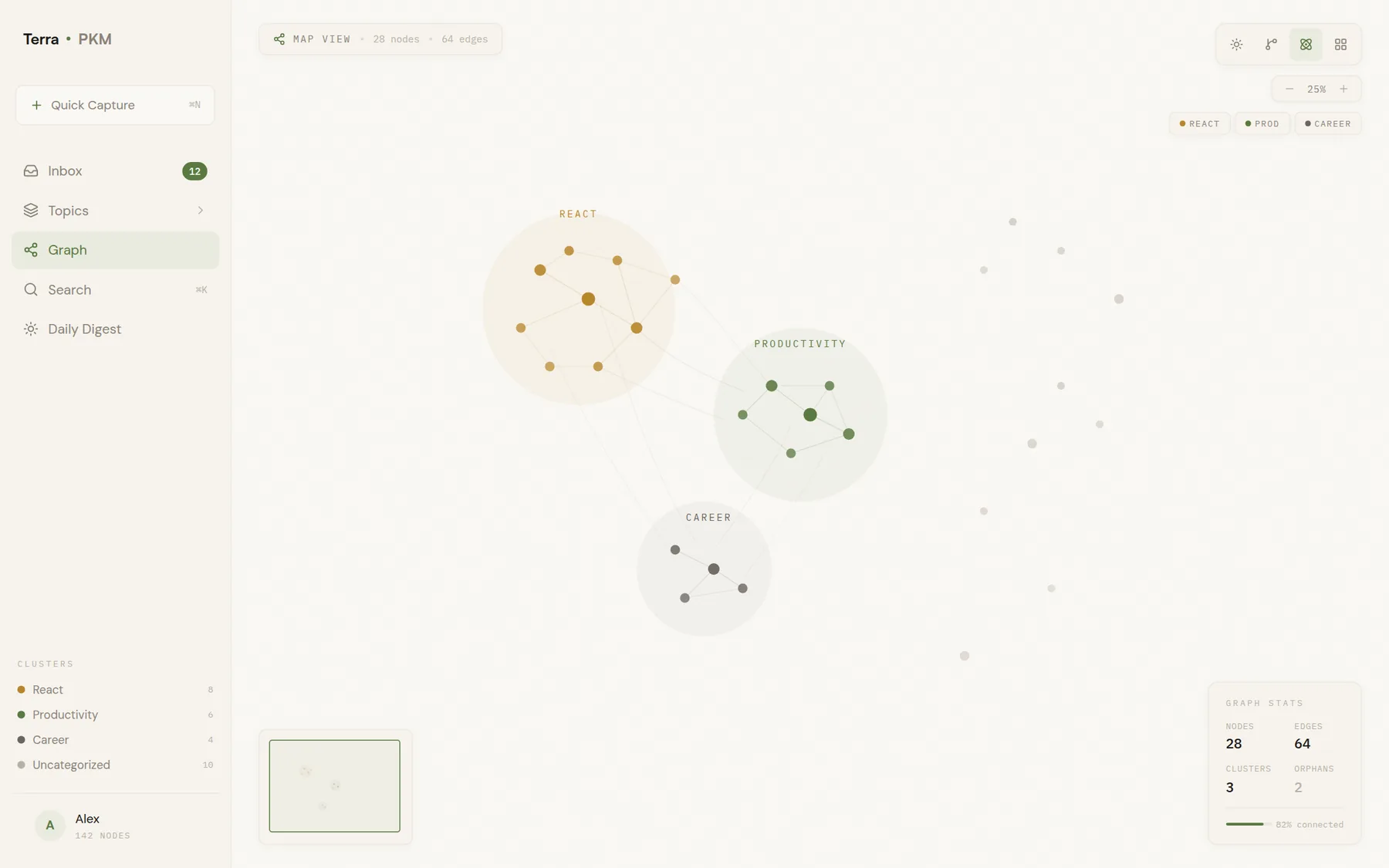
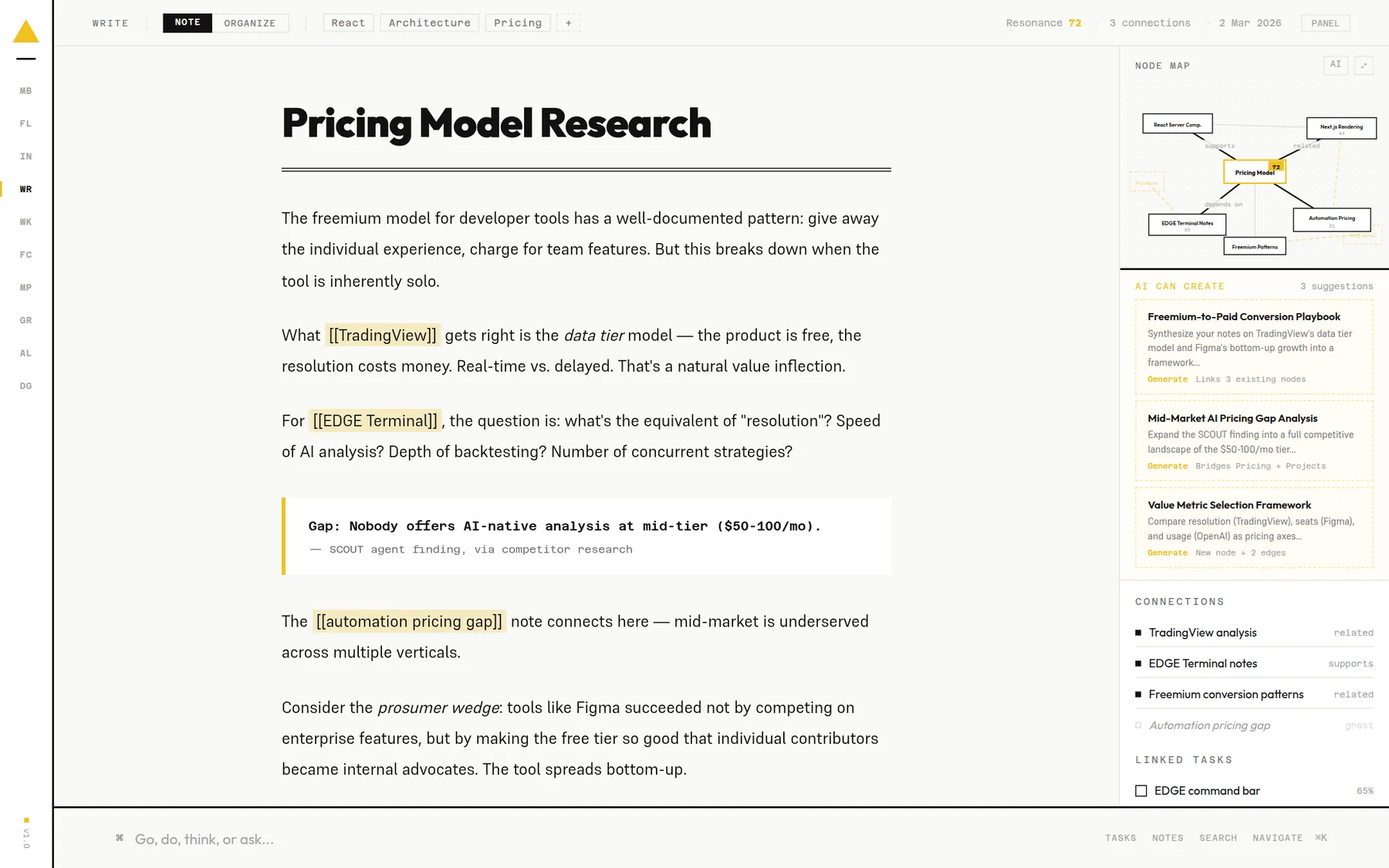
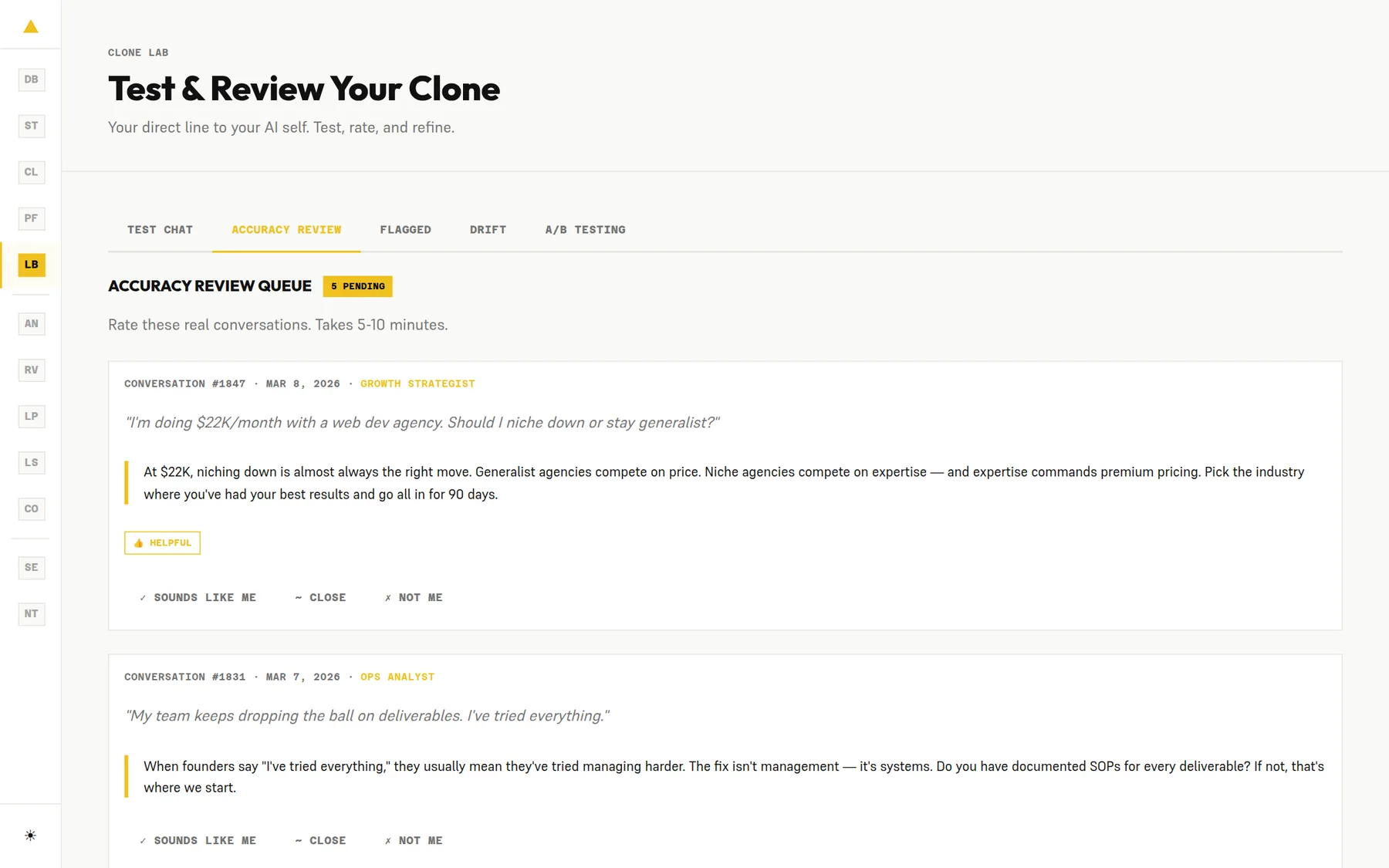
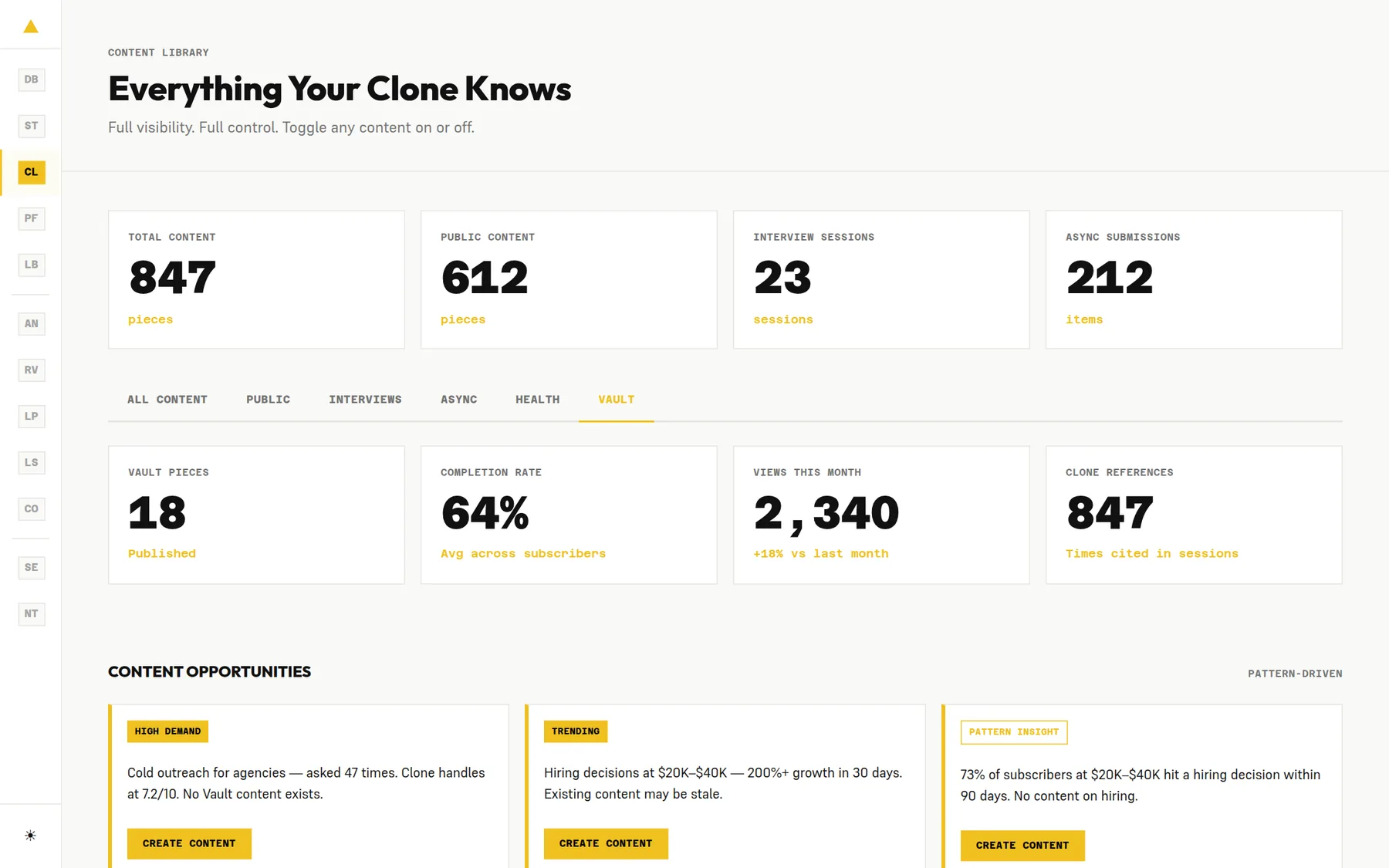
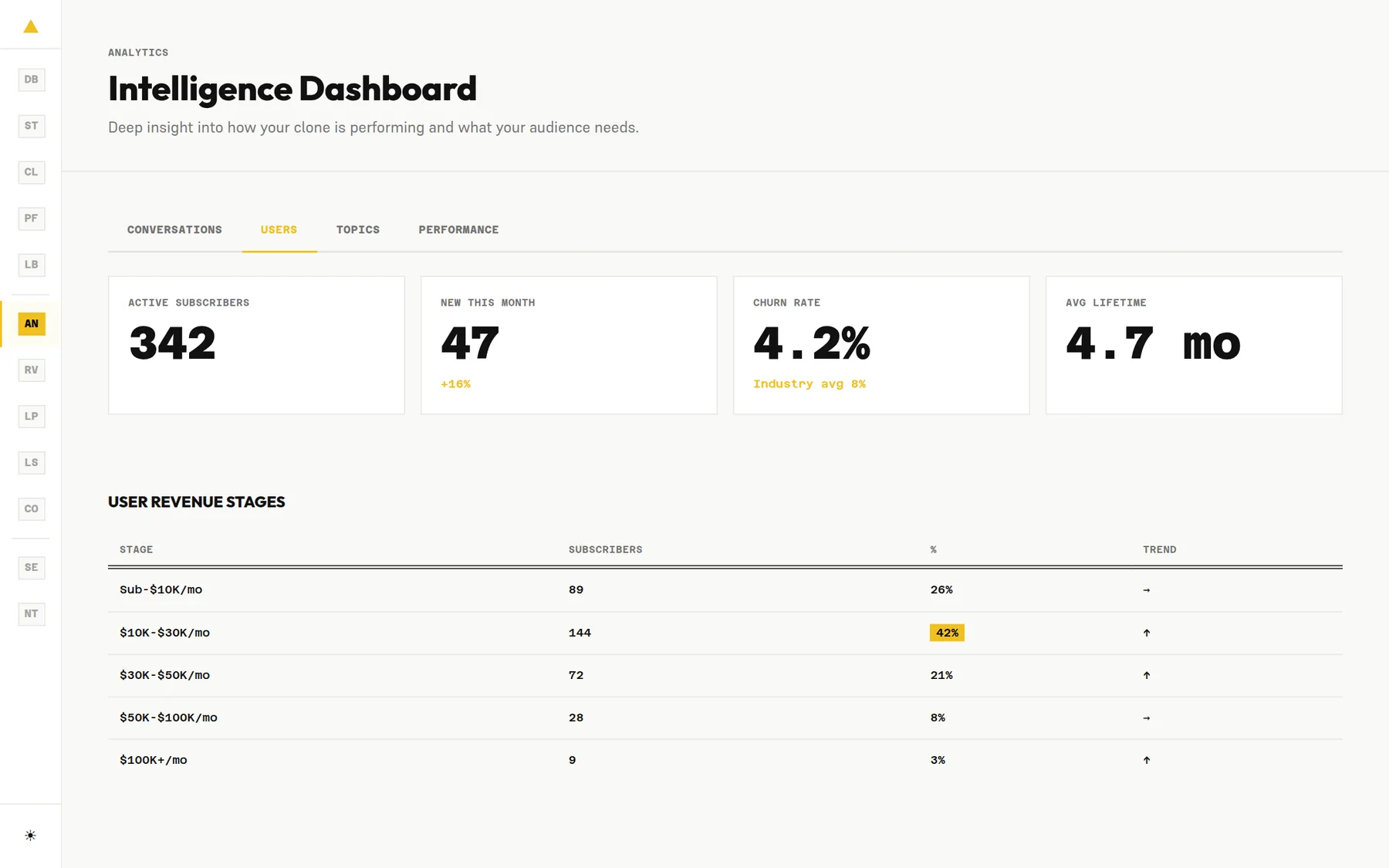
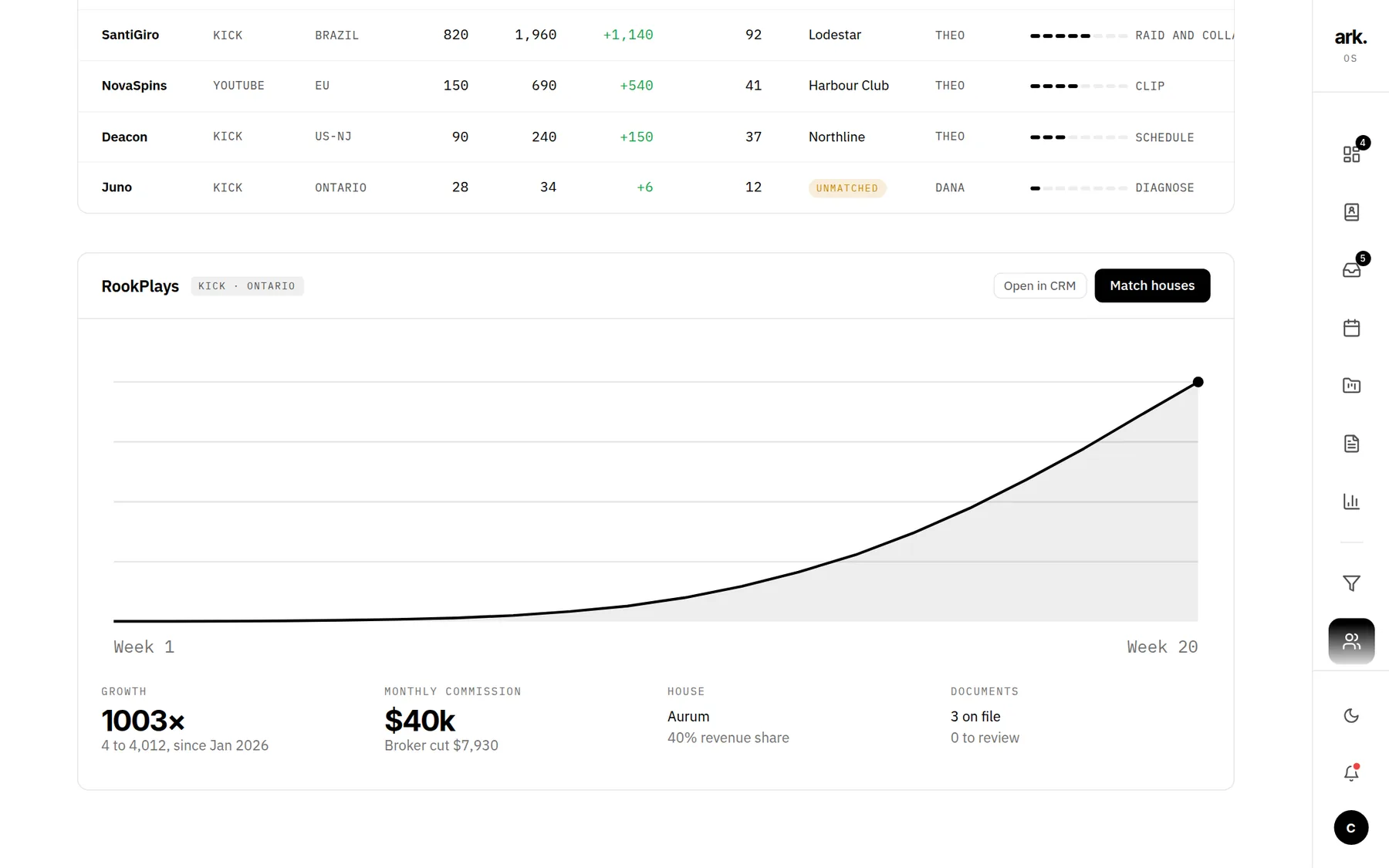
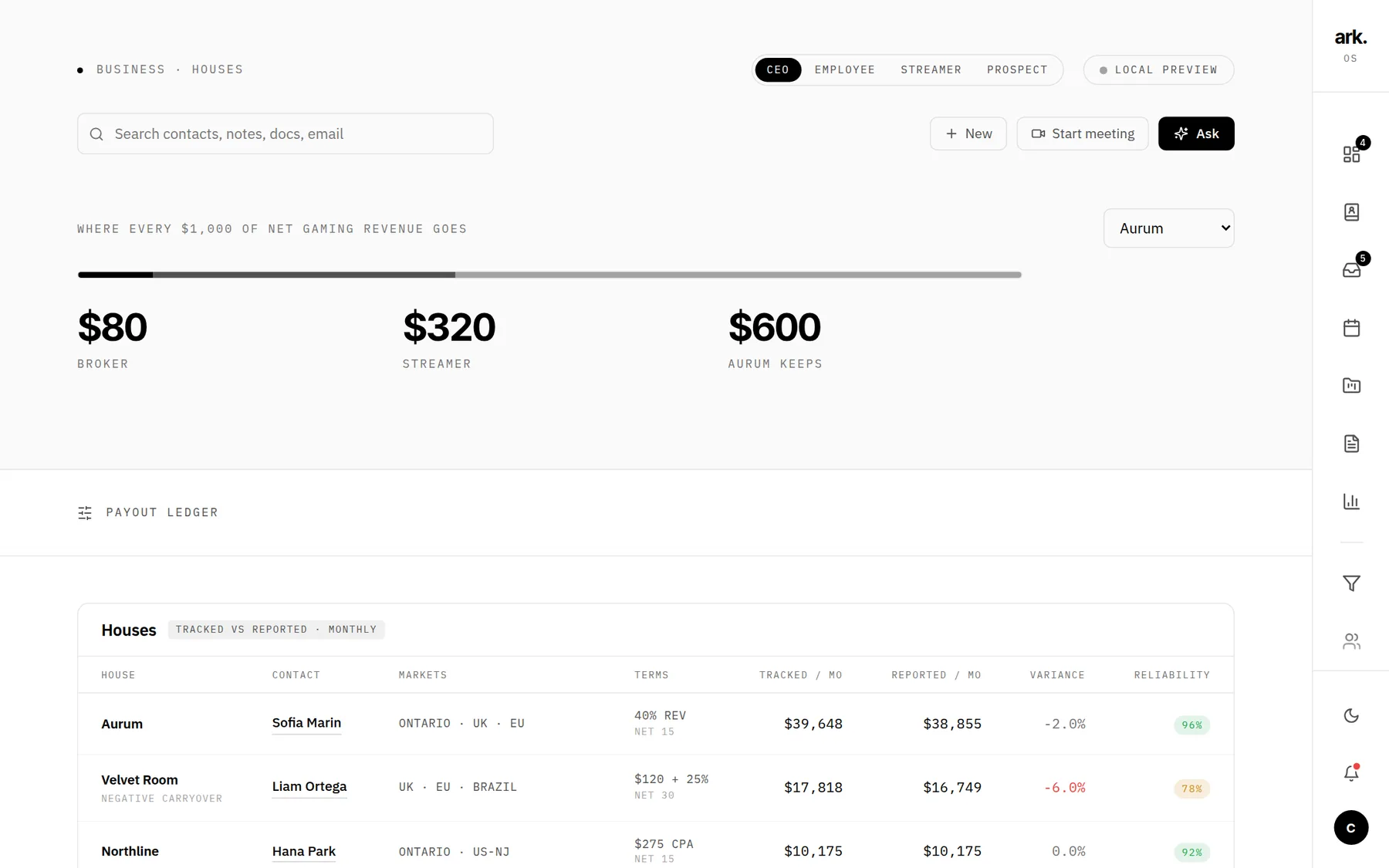
Operators ranked by what they will actually pay over twelve months, discounted for how reliably each one pays. The ones not licensed in the streamer’s market are removed, not ranked last. This is the best thing in the system, and it crossed into the new one almost untouched.
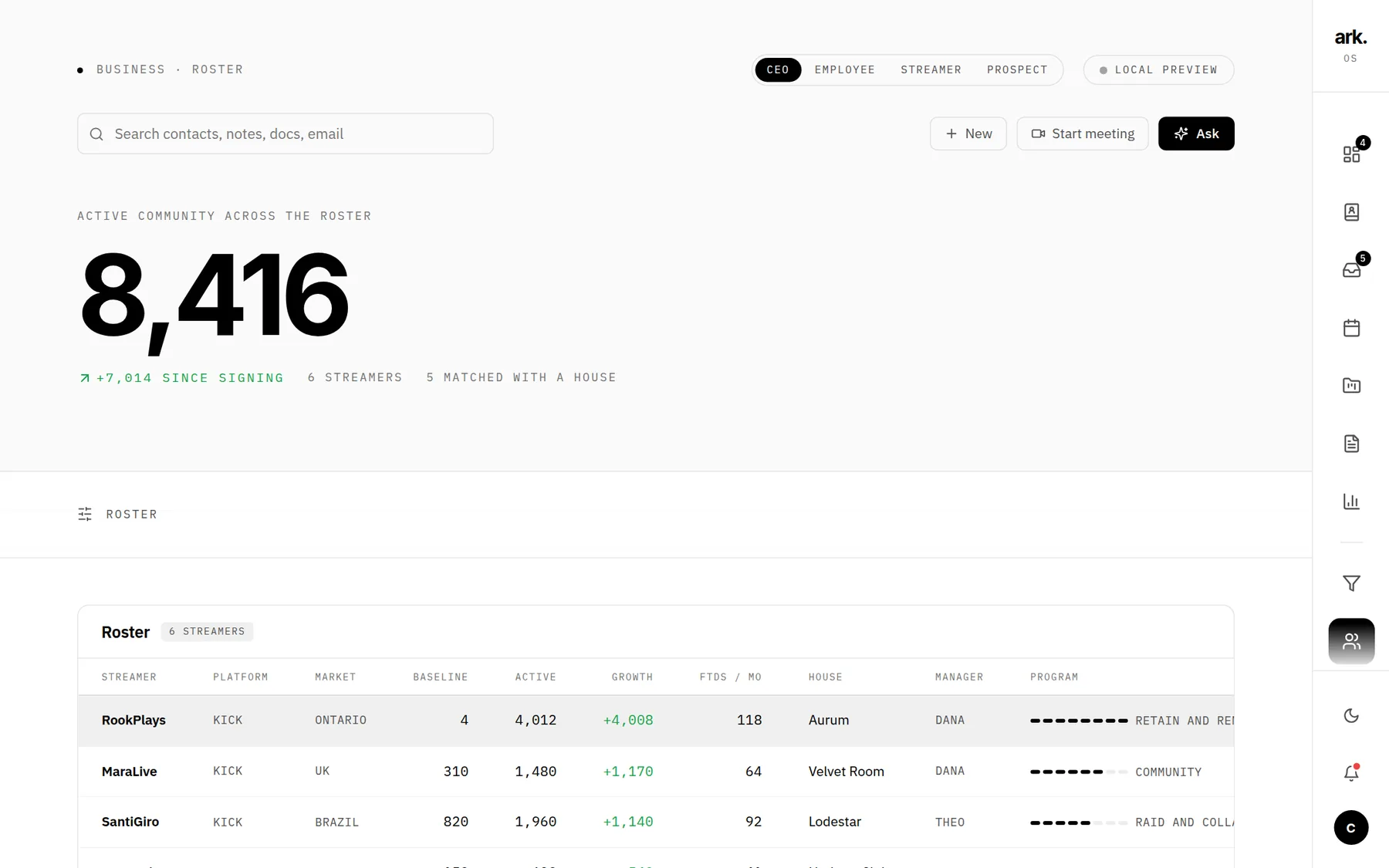
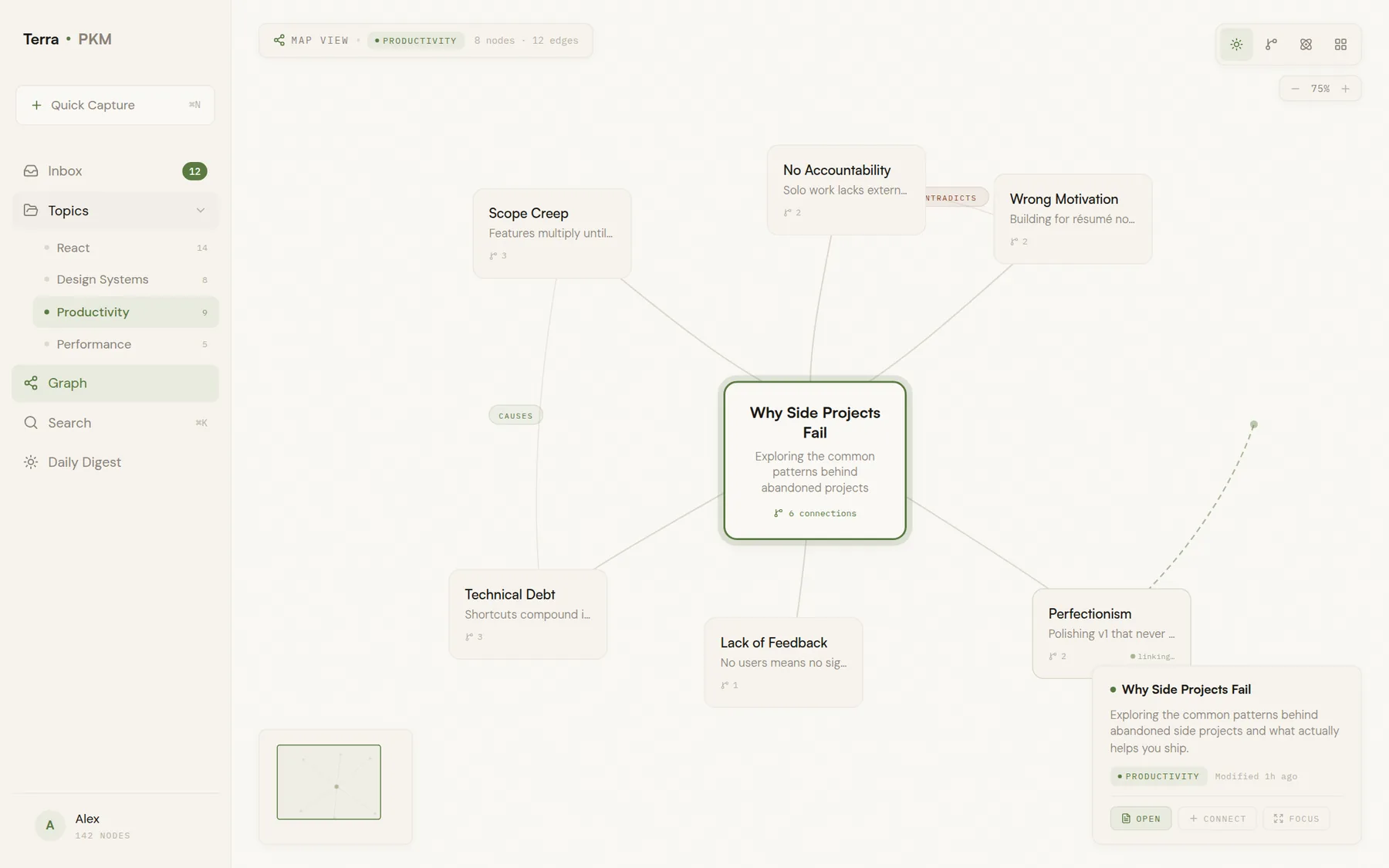
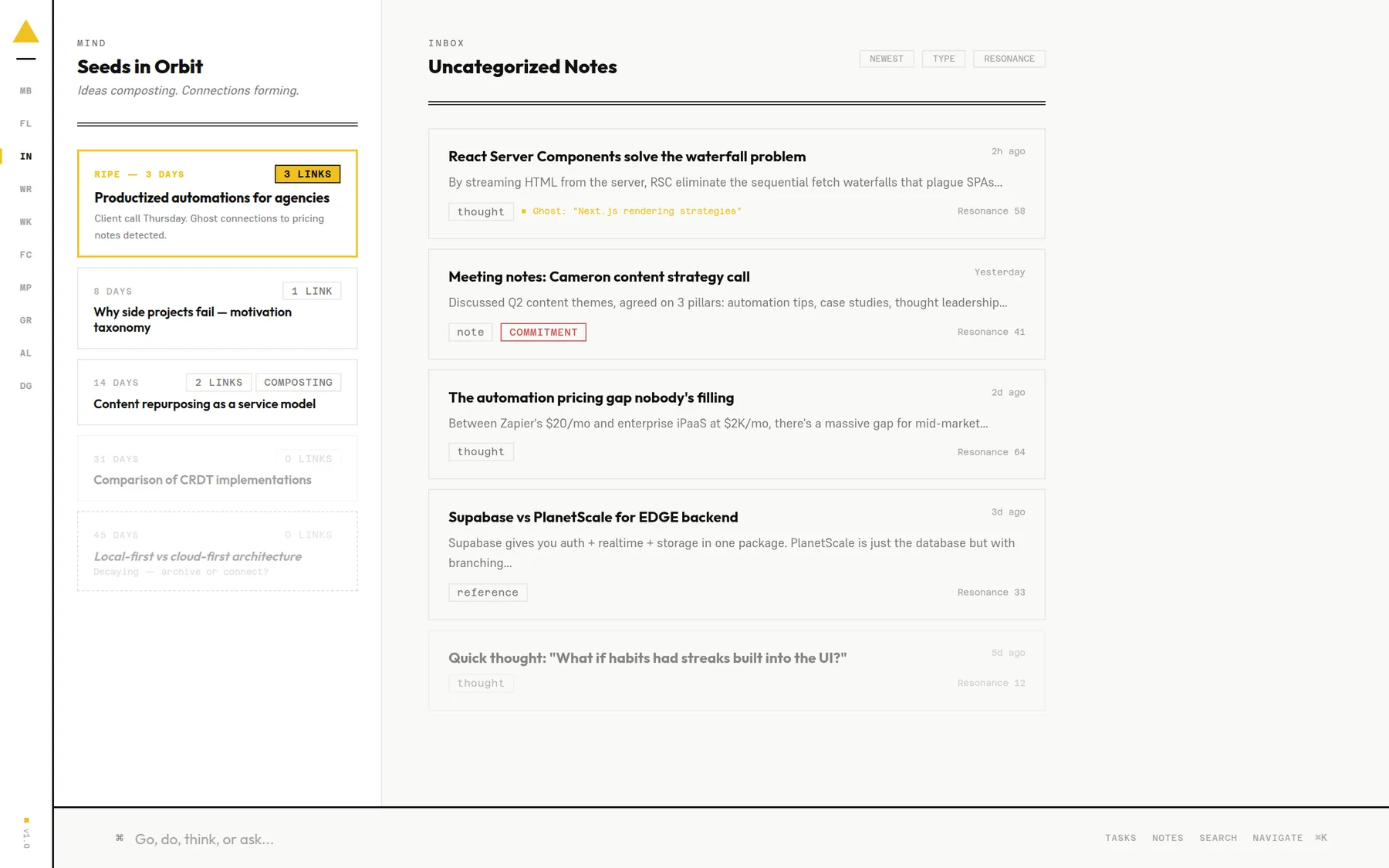
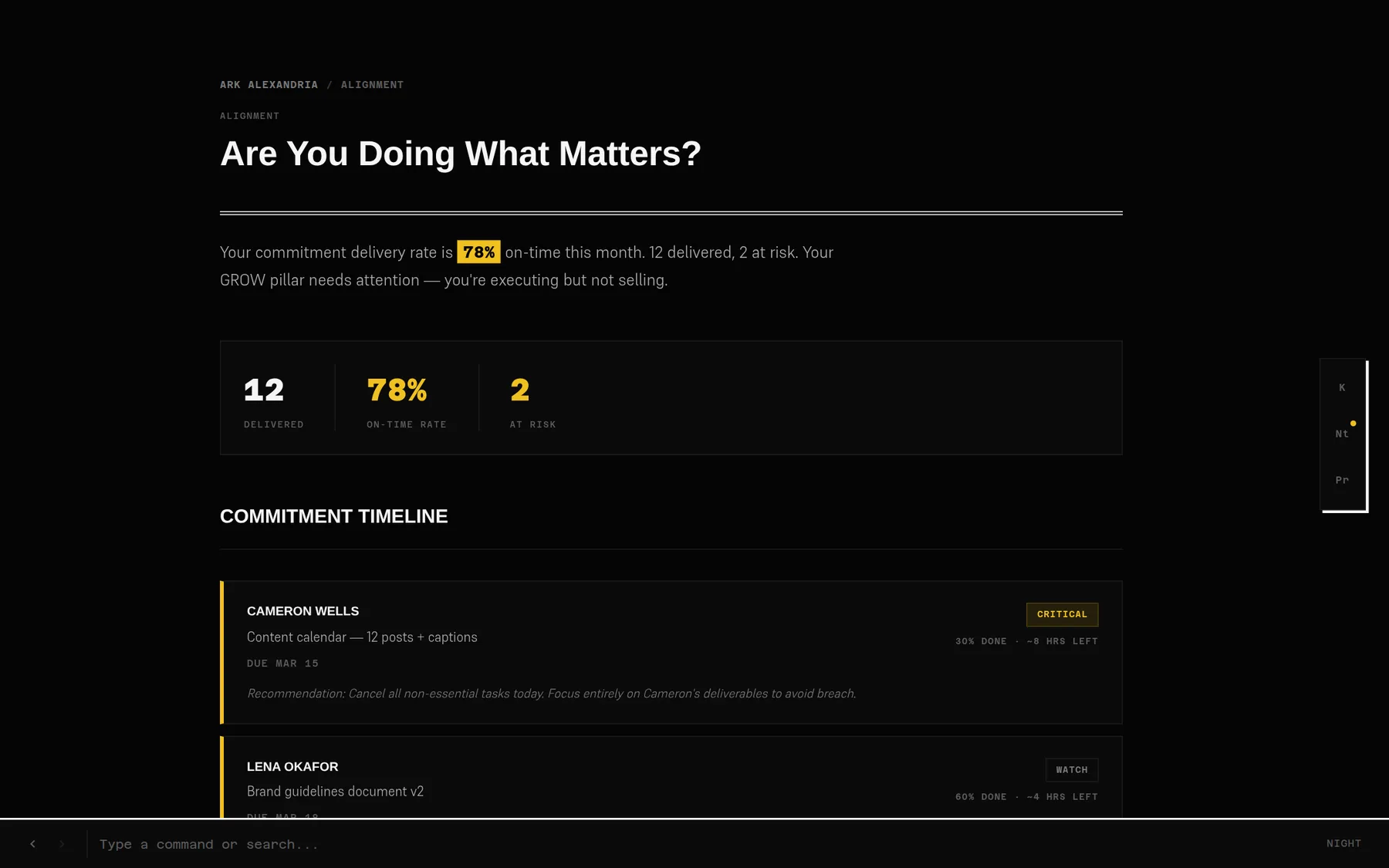
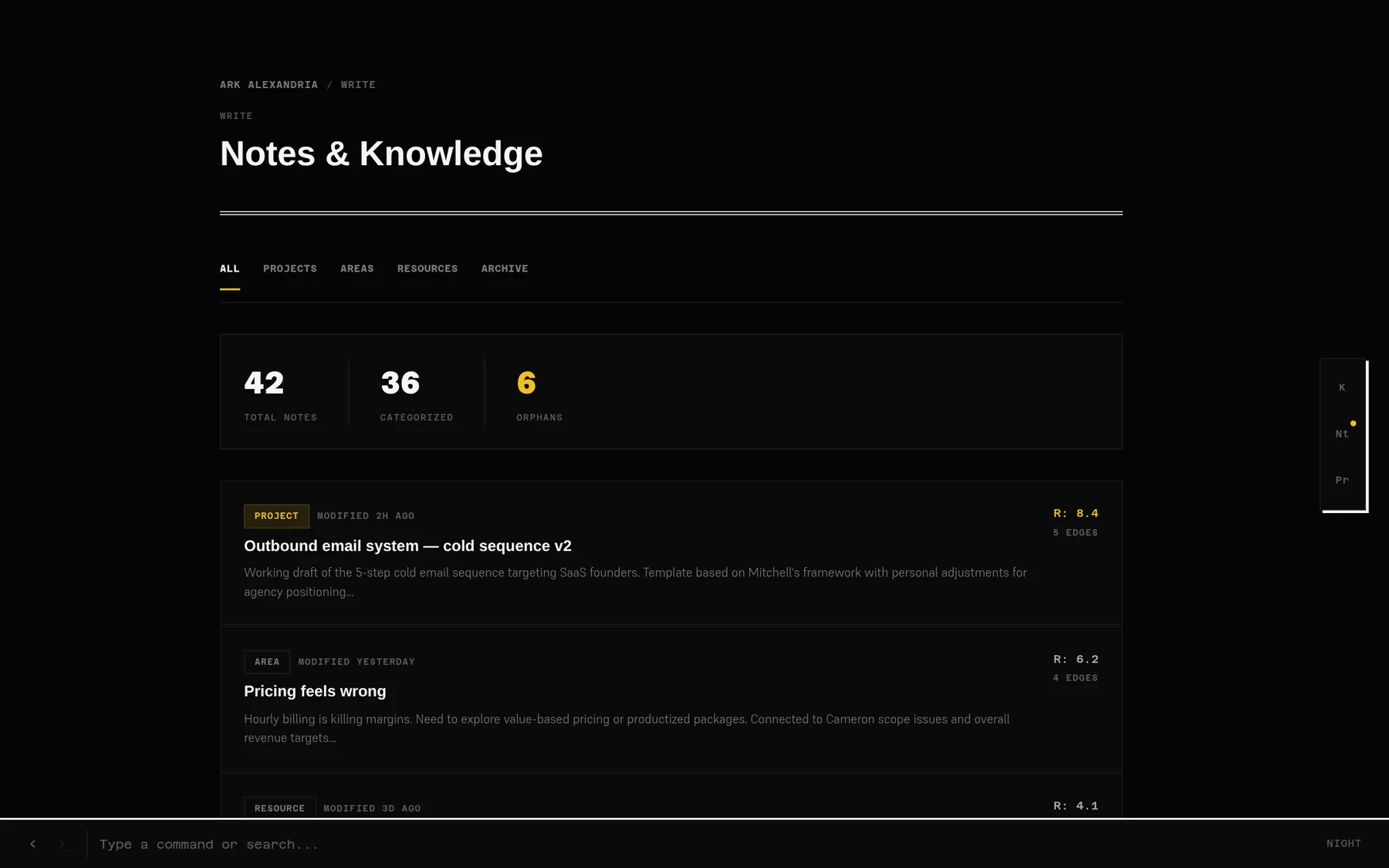
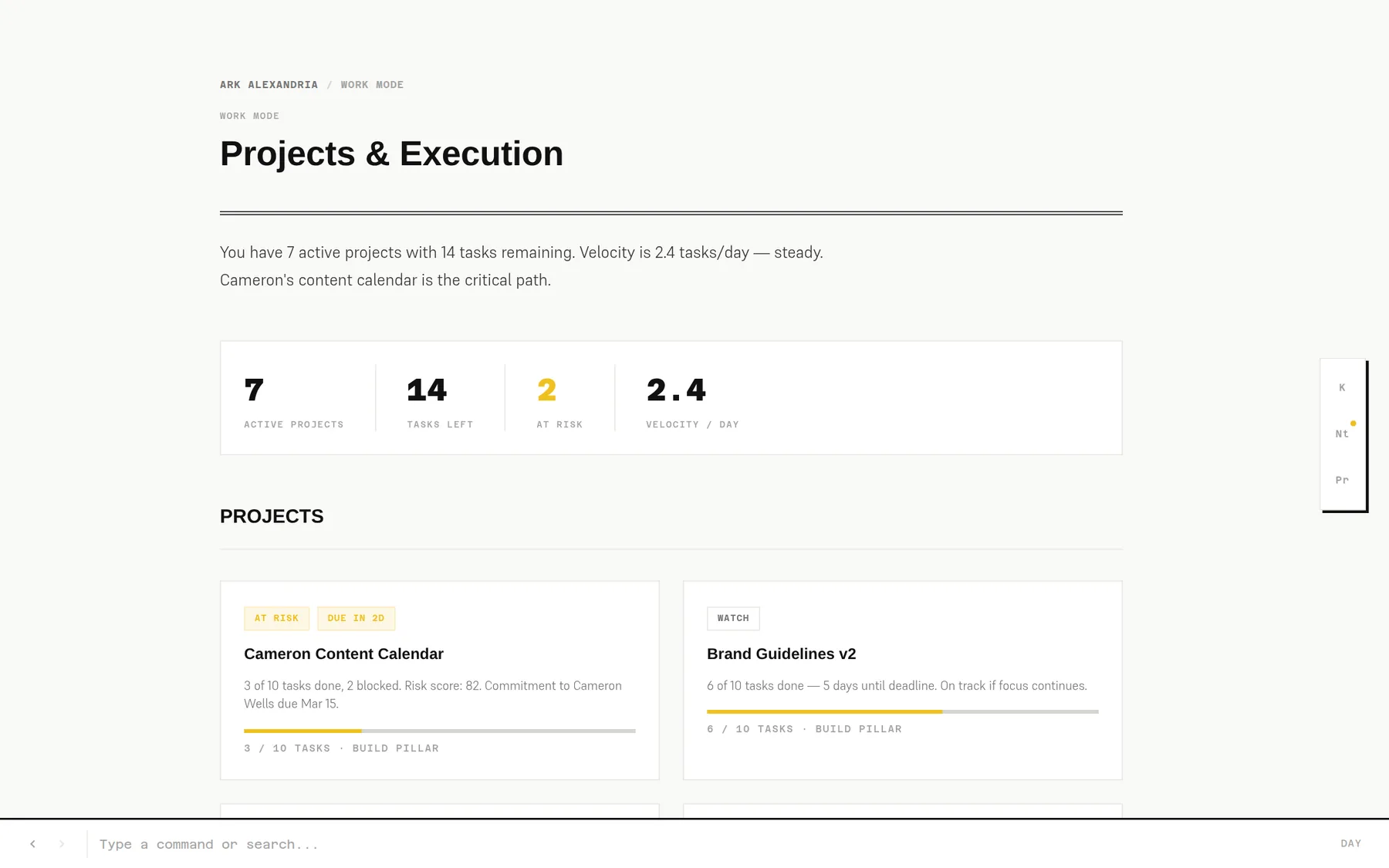
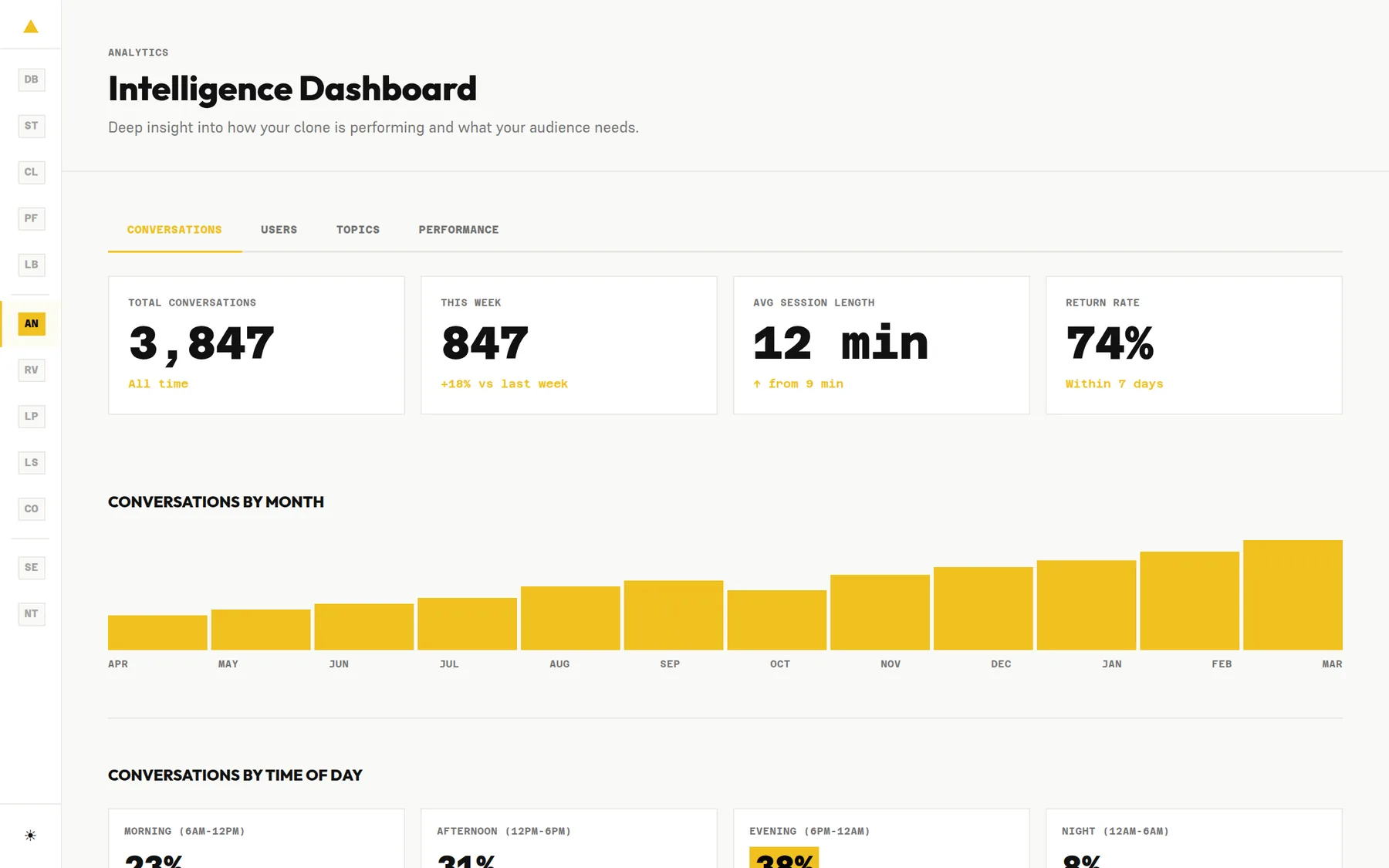
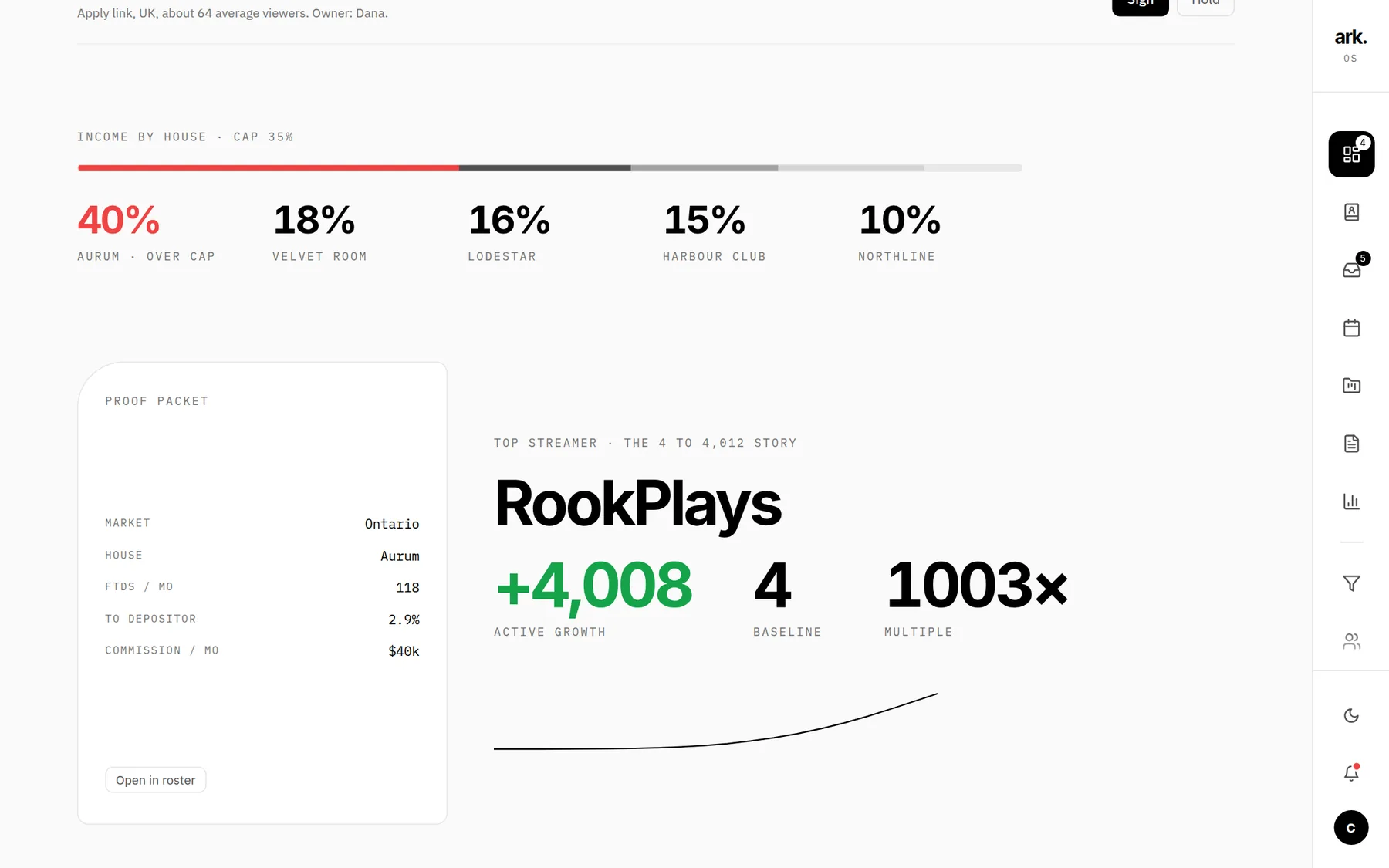
A baseline column beside active and growth, so a growth story is a measurement and not an anecdote. That part is right. But I read the column as a business model, and that is where it went wrong.
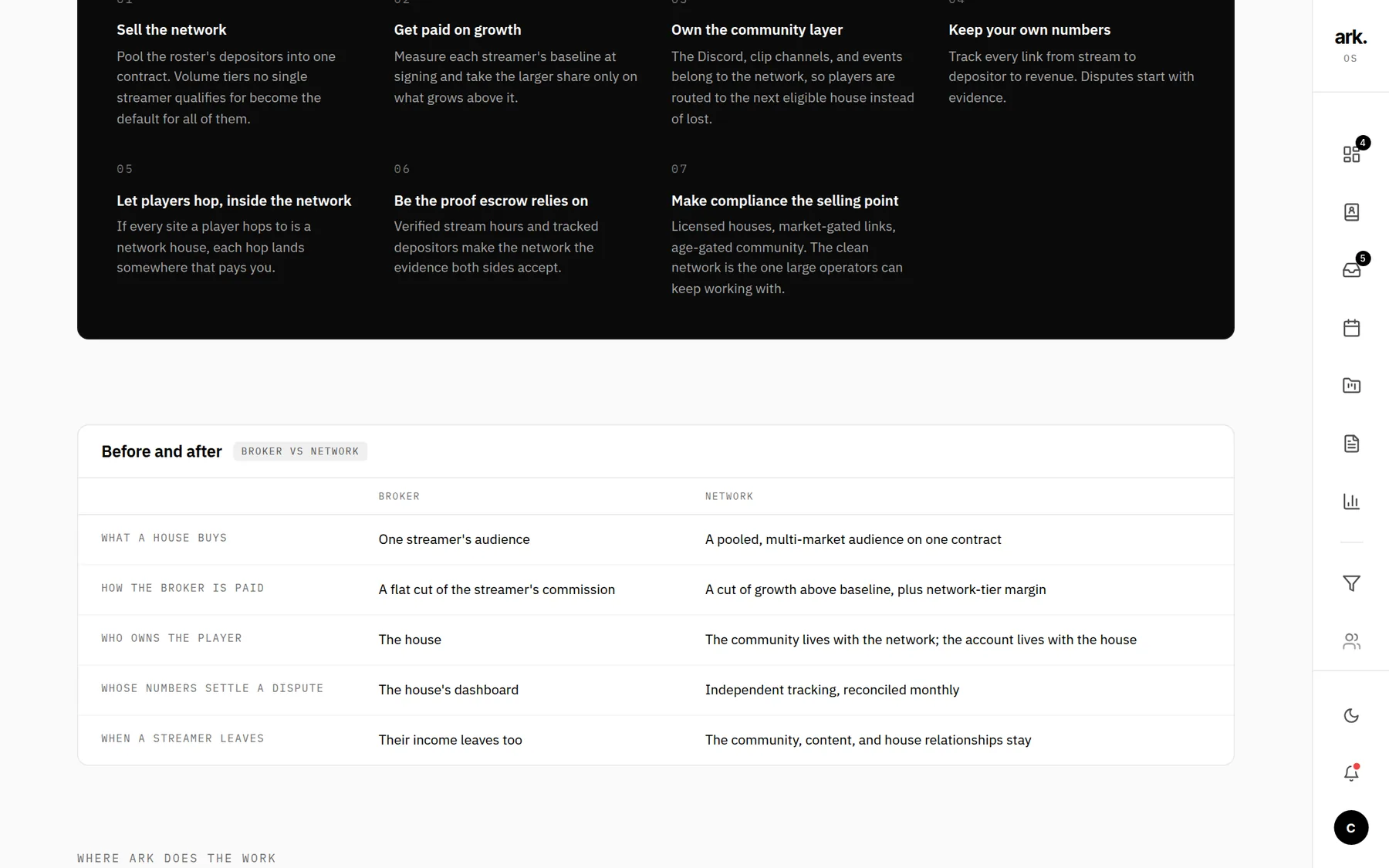
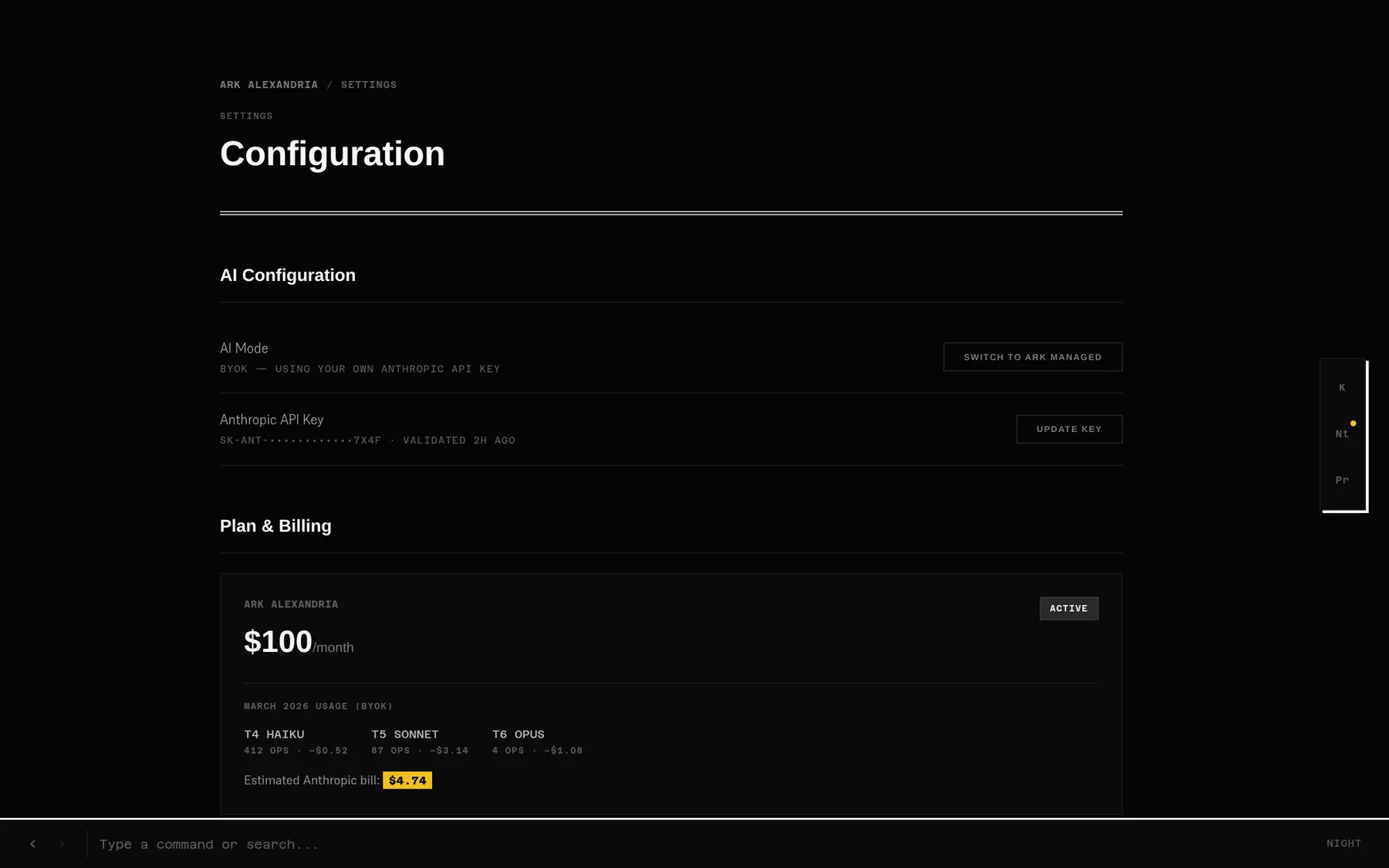
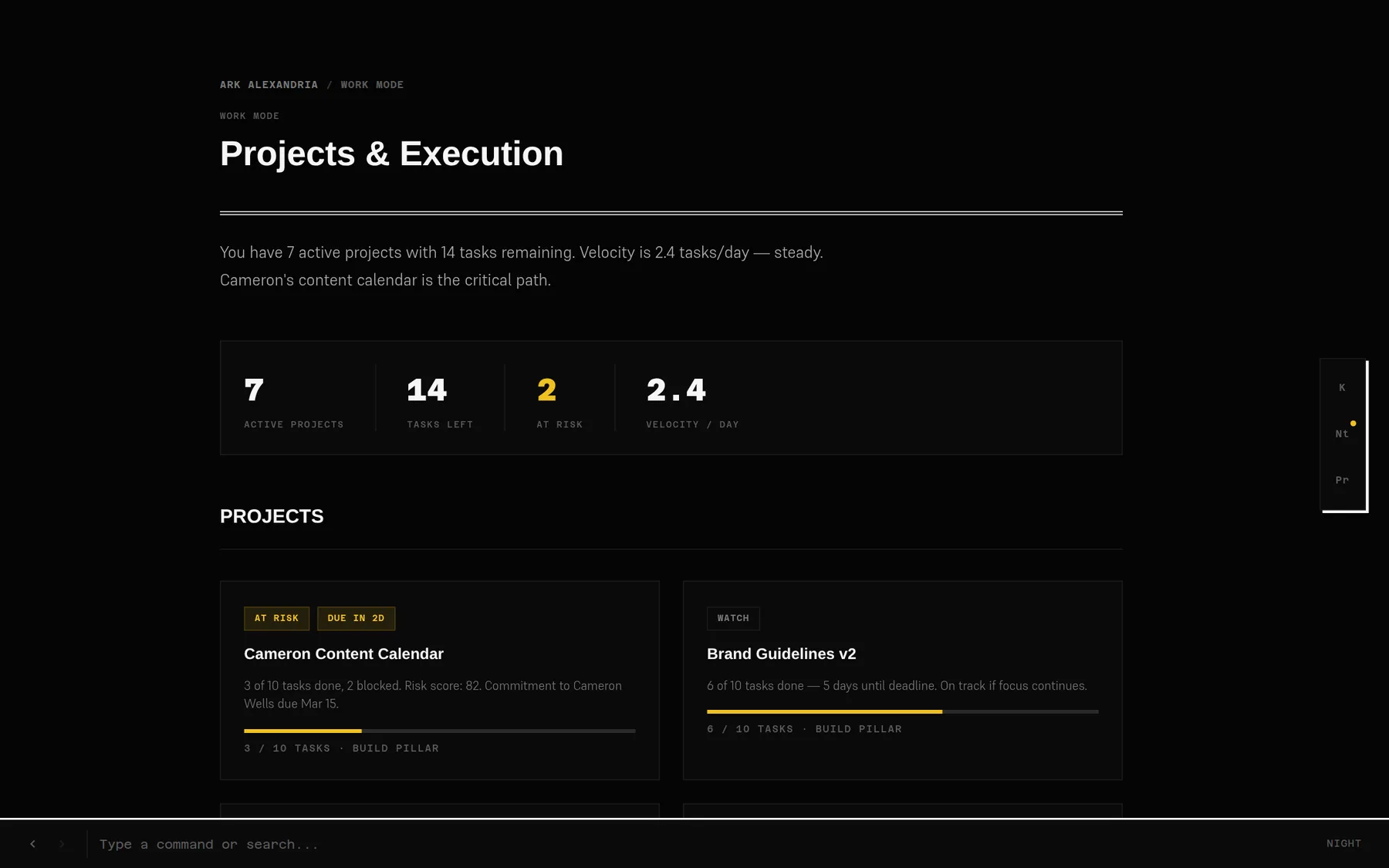
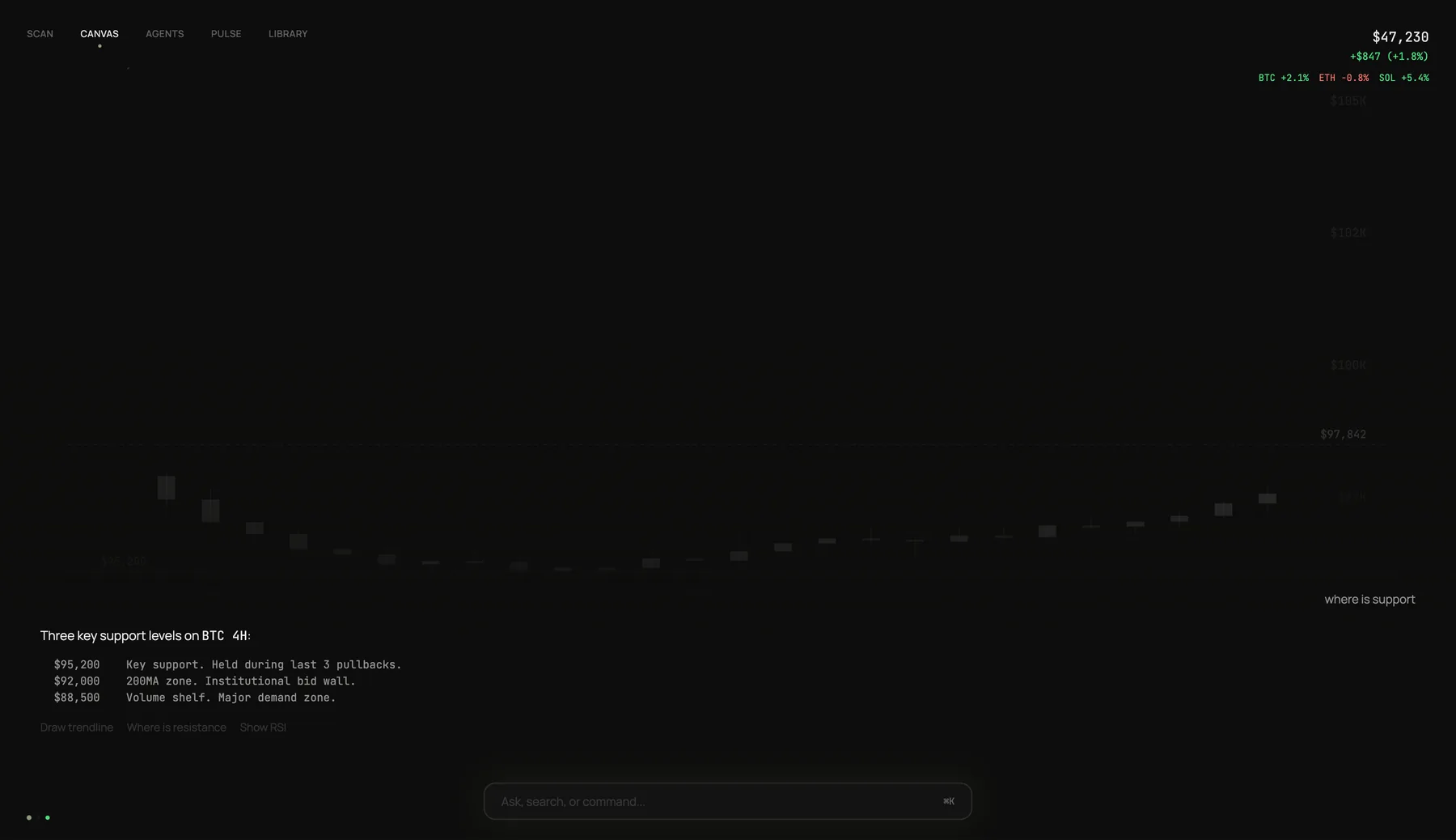
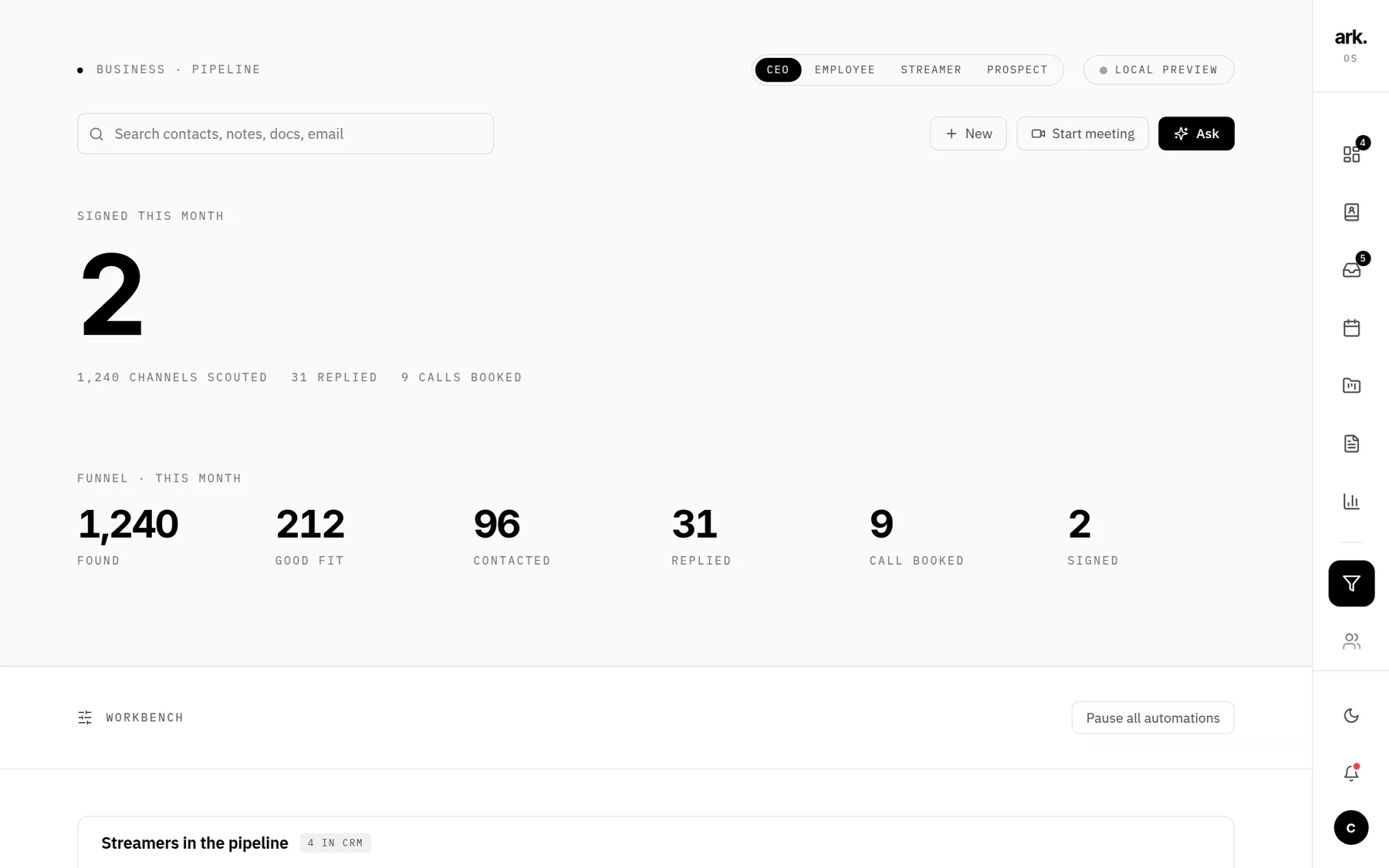
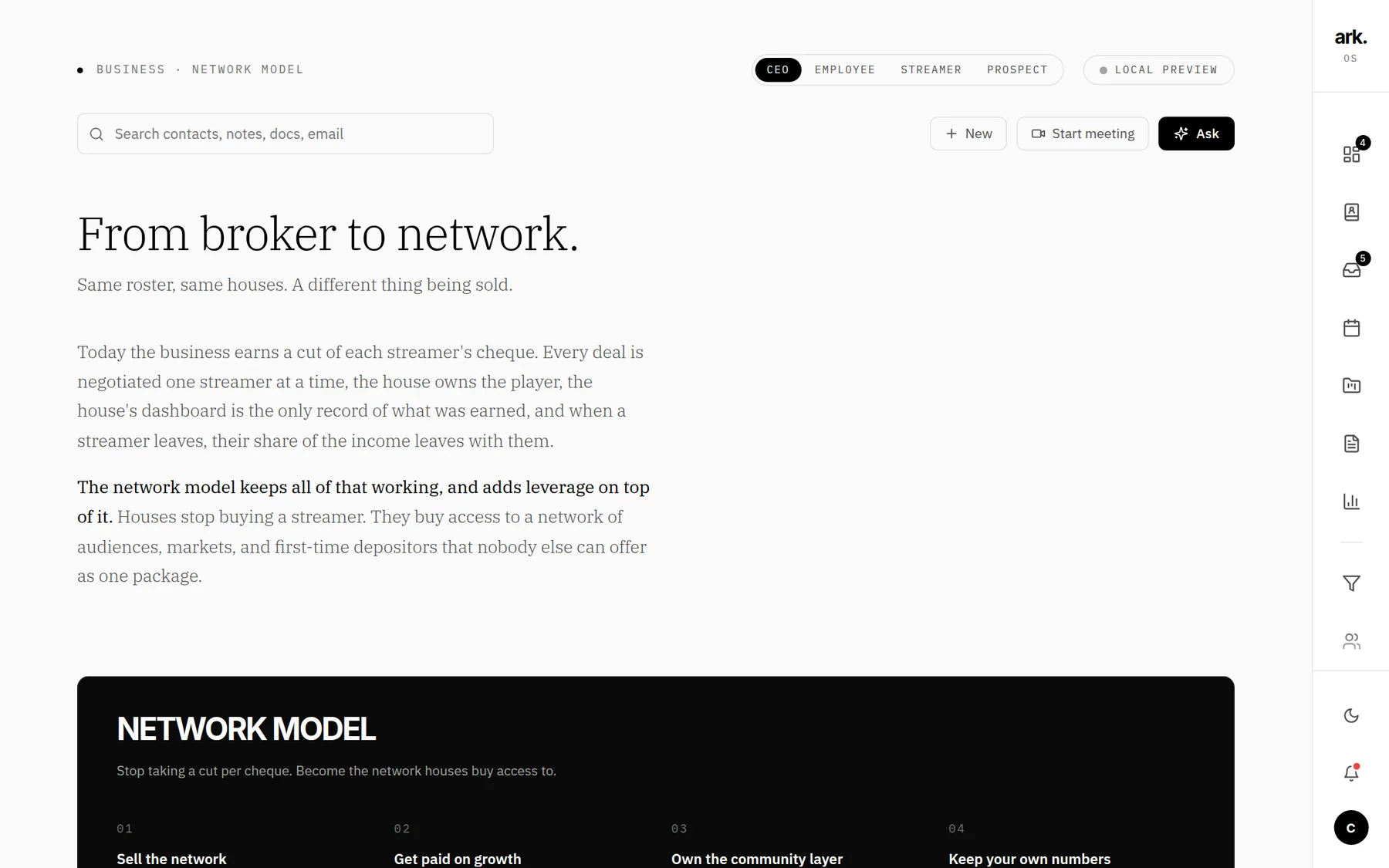
Seven moves to stop taking a cut and start selling operators access to a pooled roster. The community lives with the network. I was proud of this page. A month later I read how Hollywood’s agencies were made to give up packaging fees, and saw that I had drawn one. An agent who is paid by the buyer does not work for the talent. The agency that replaced this is paid only by its streamers, and its charter says the streamer owns their community.
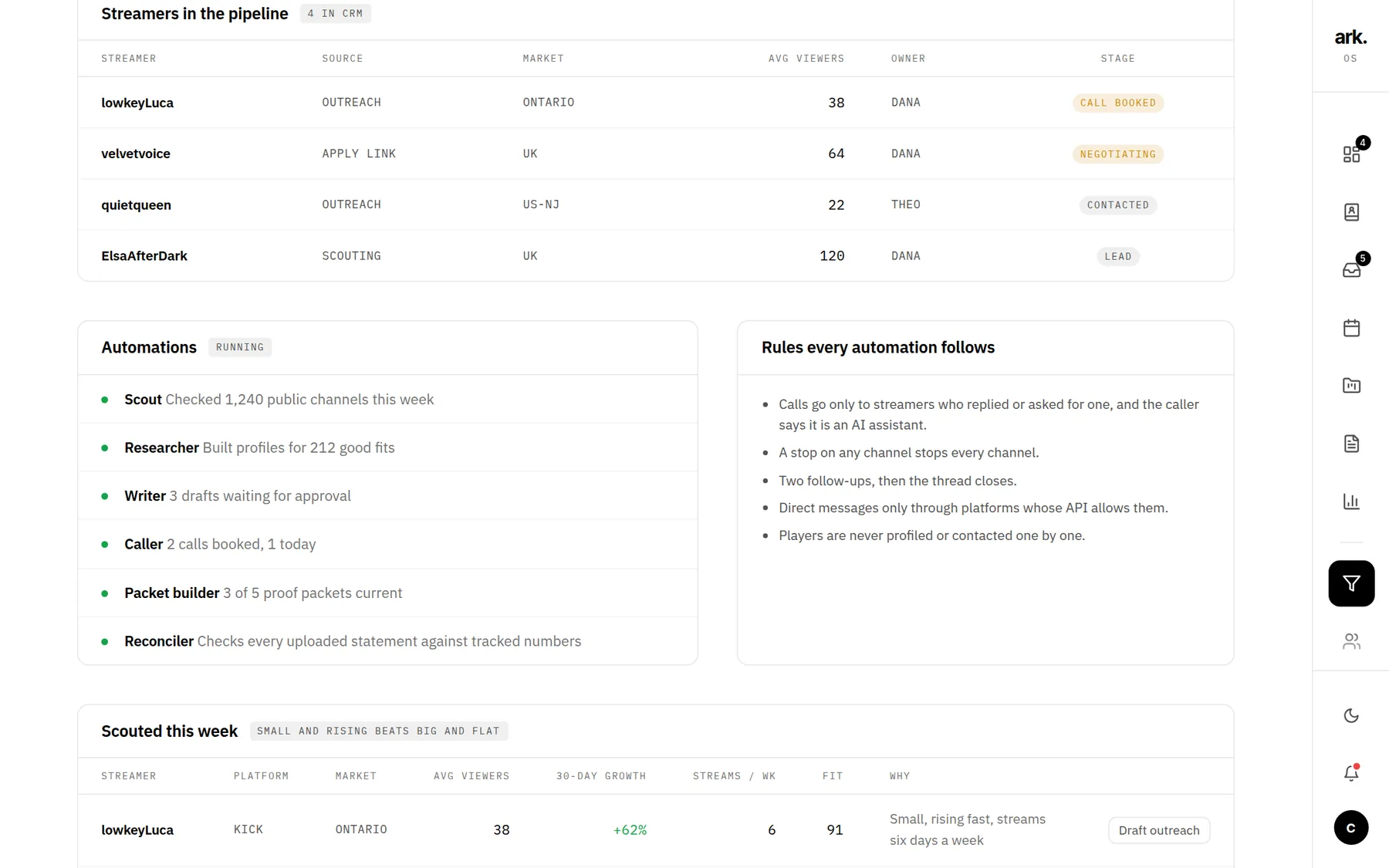
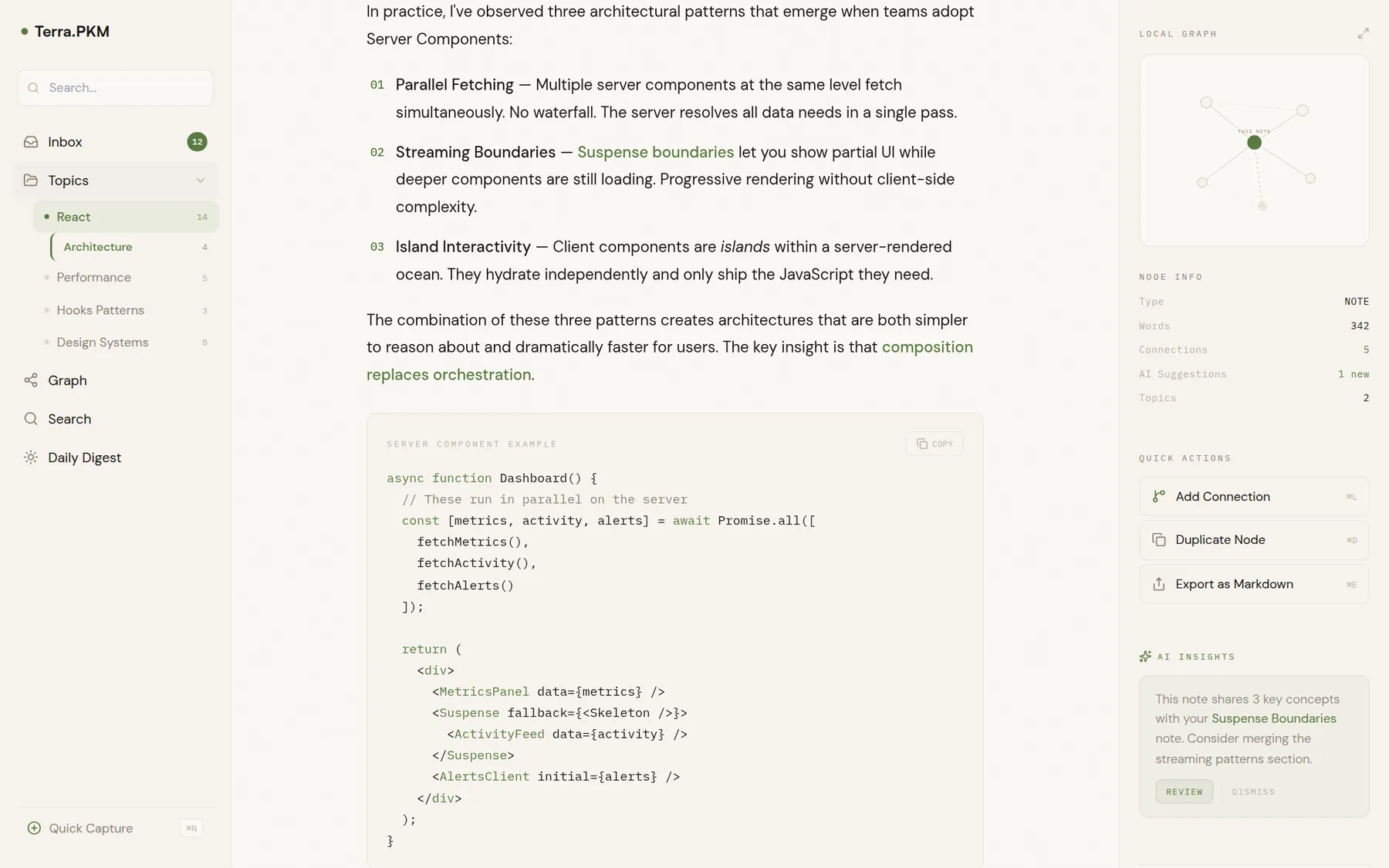
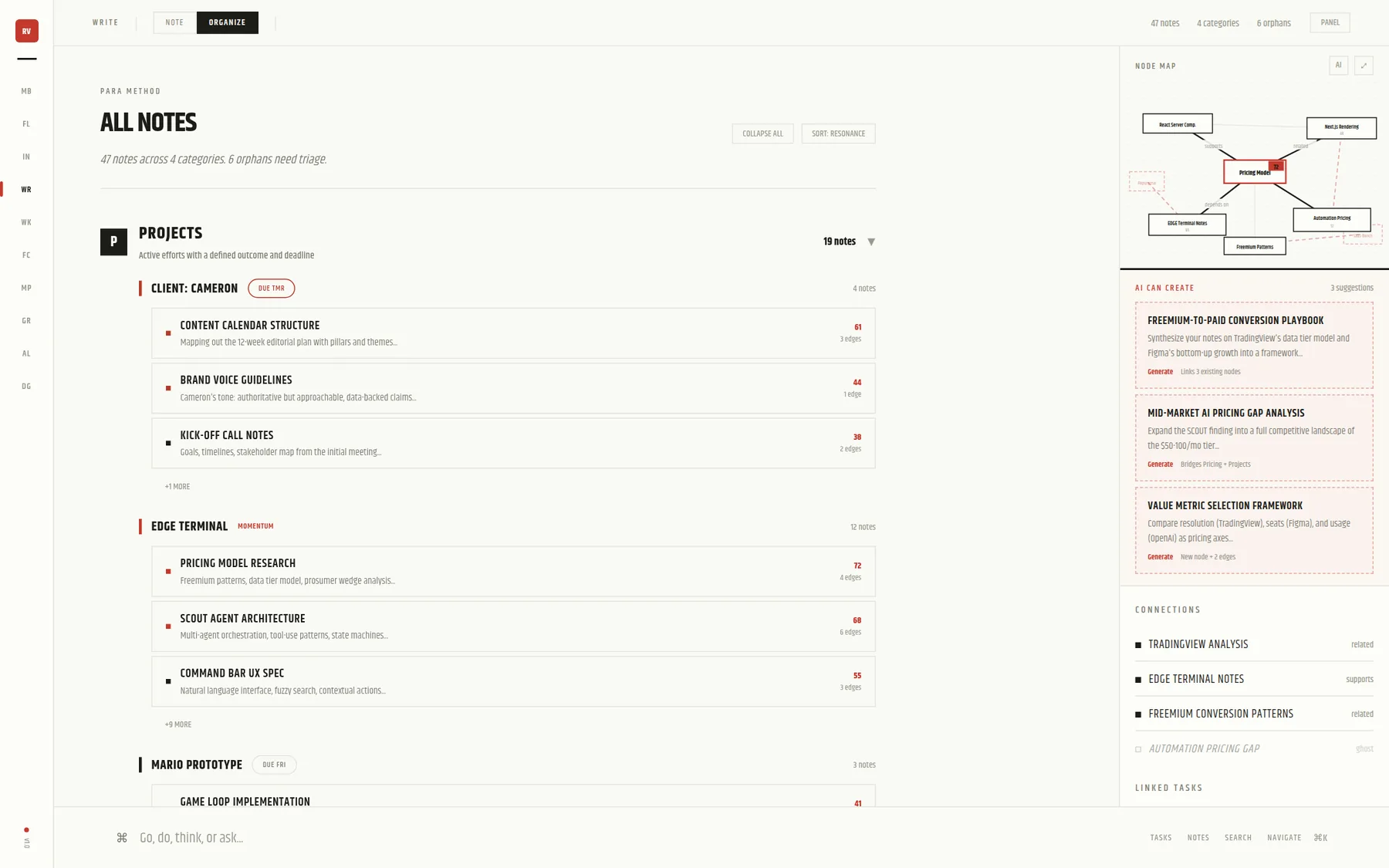
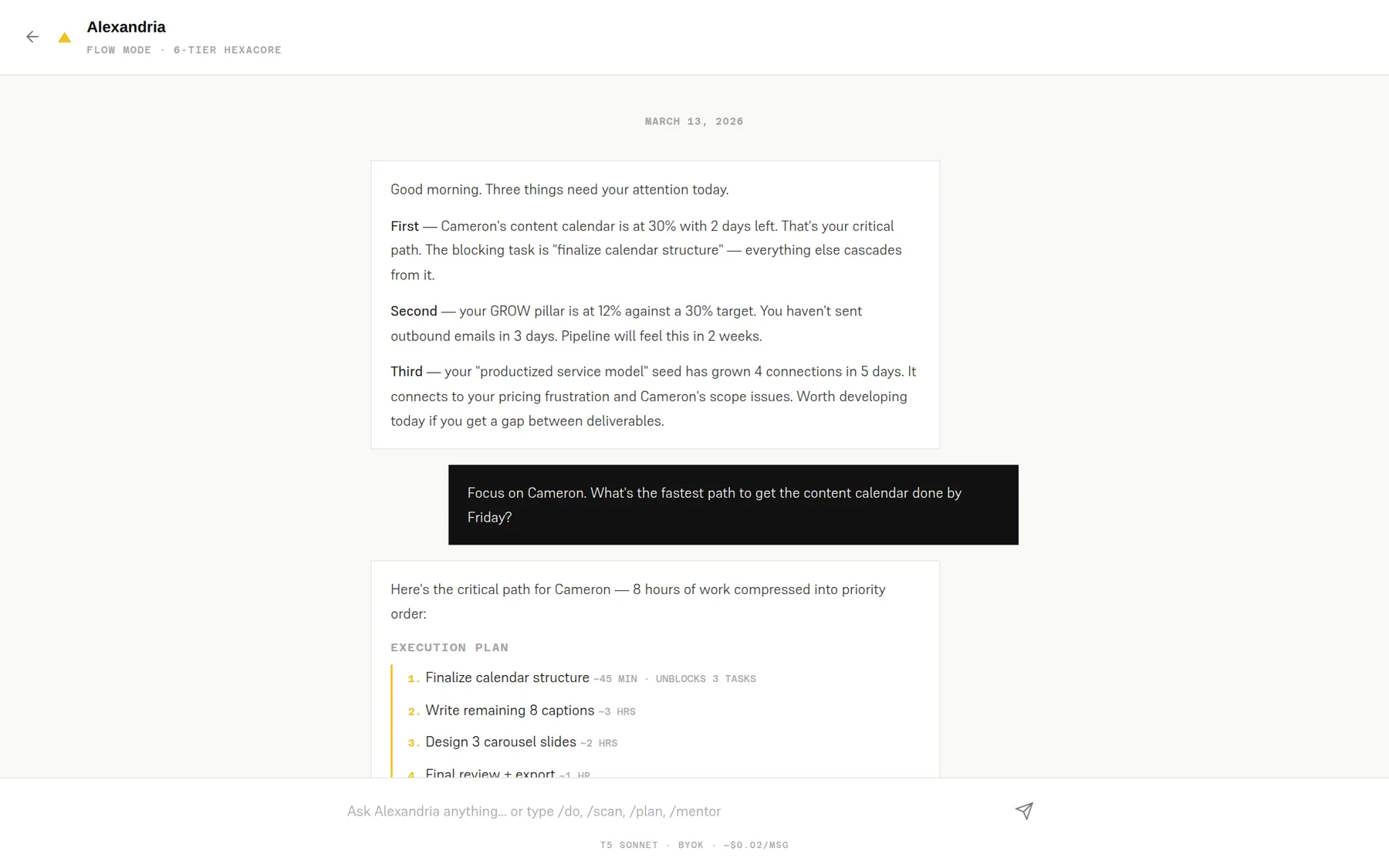
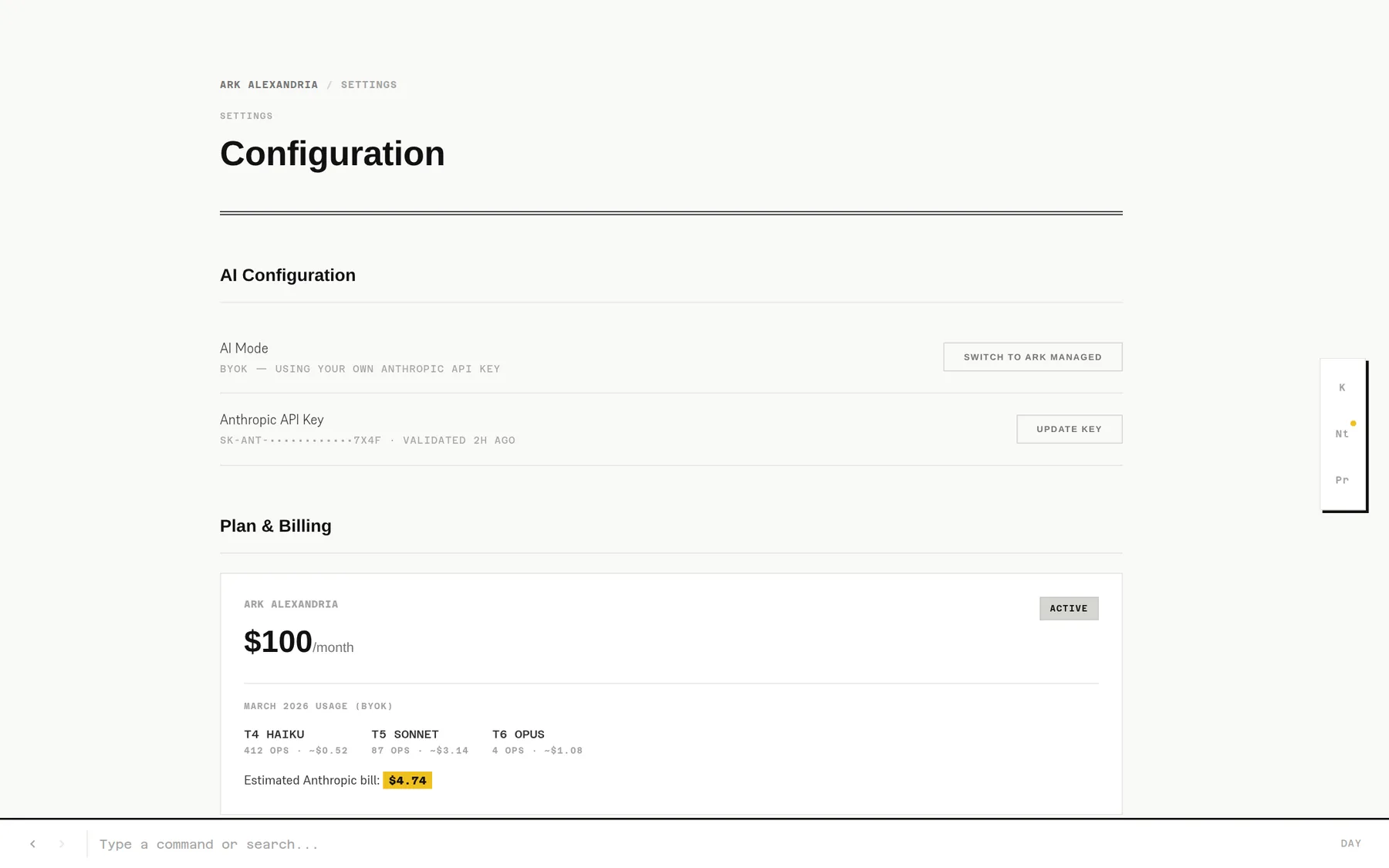
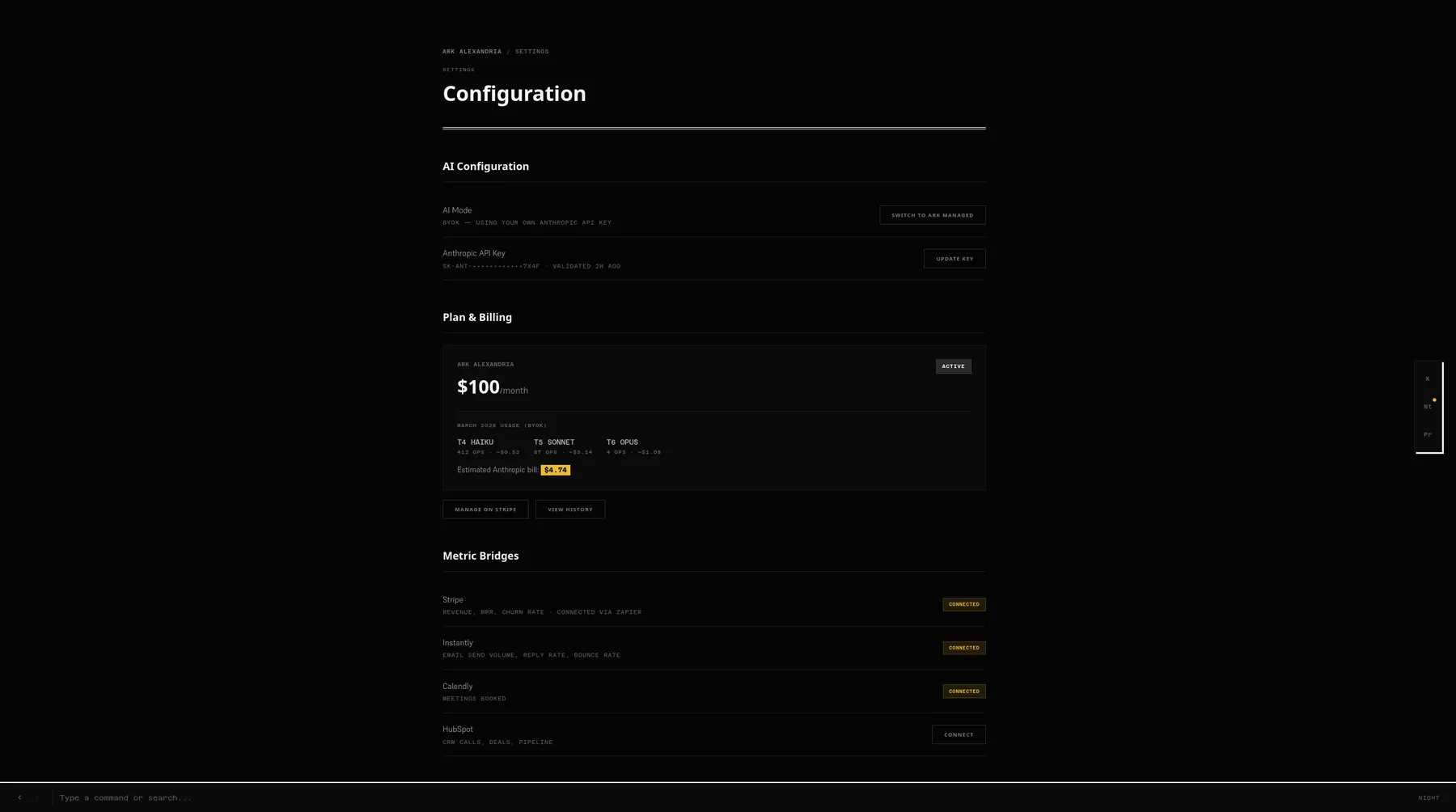
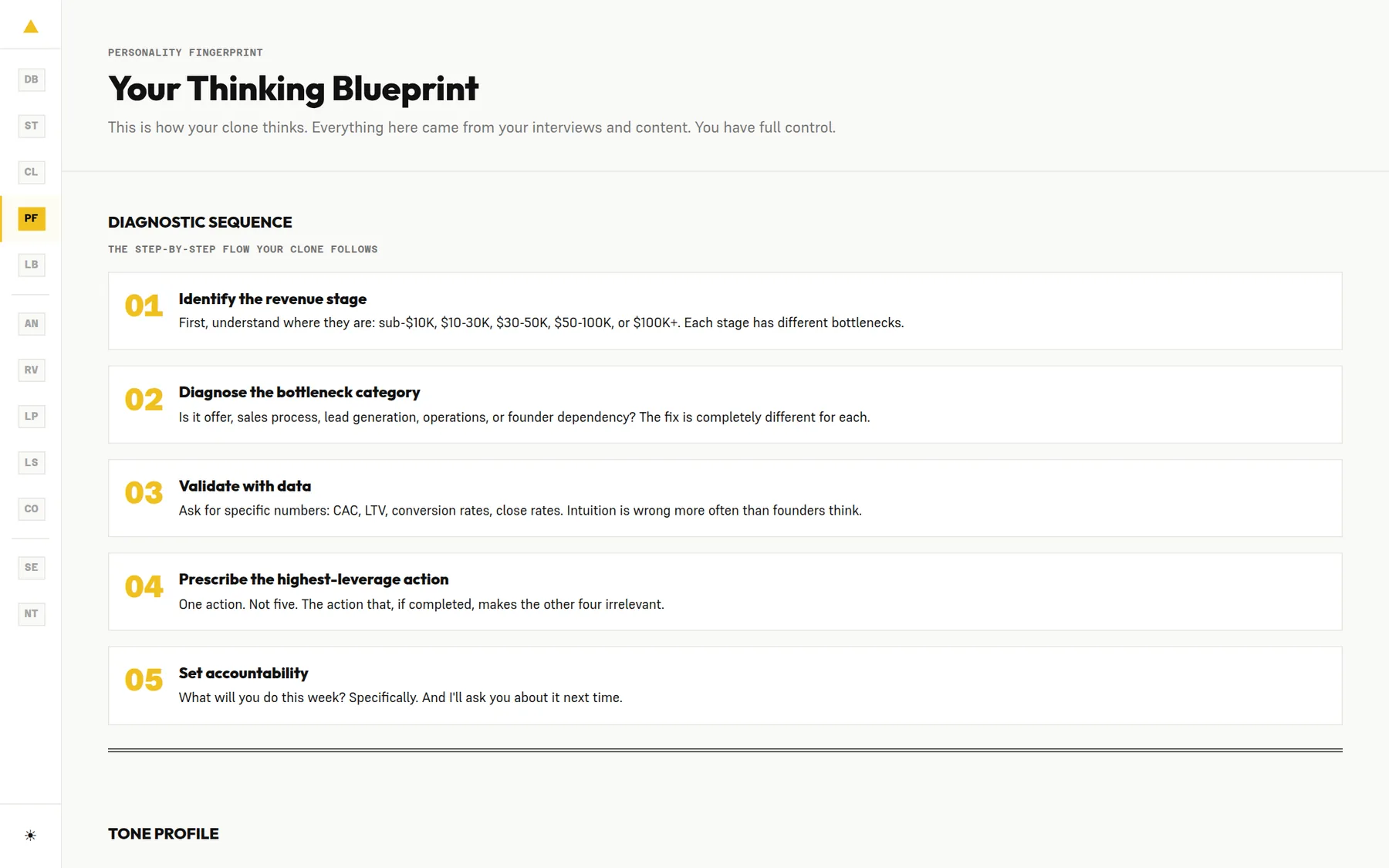
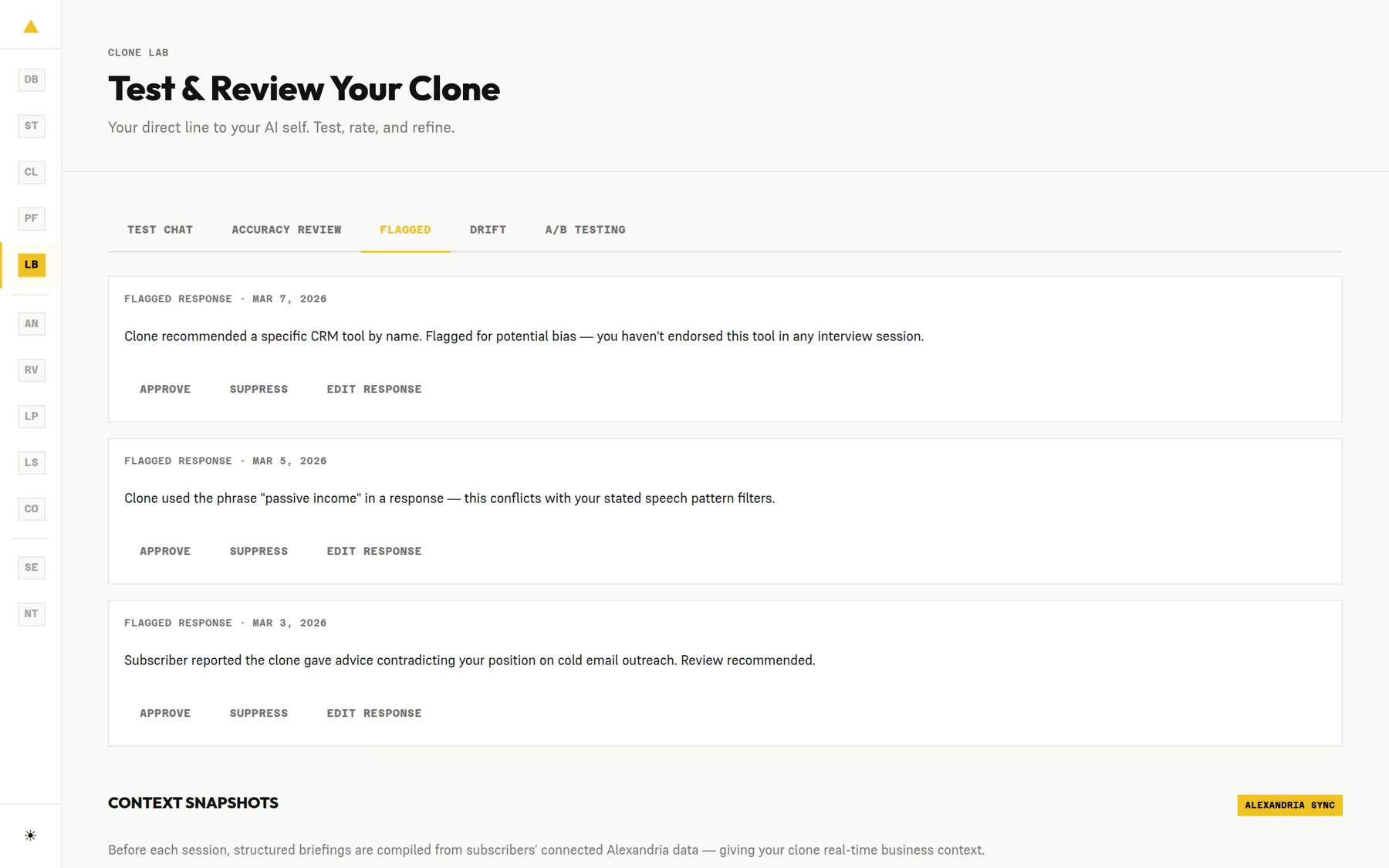
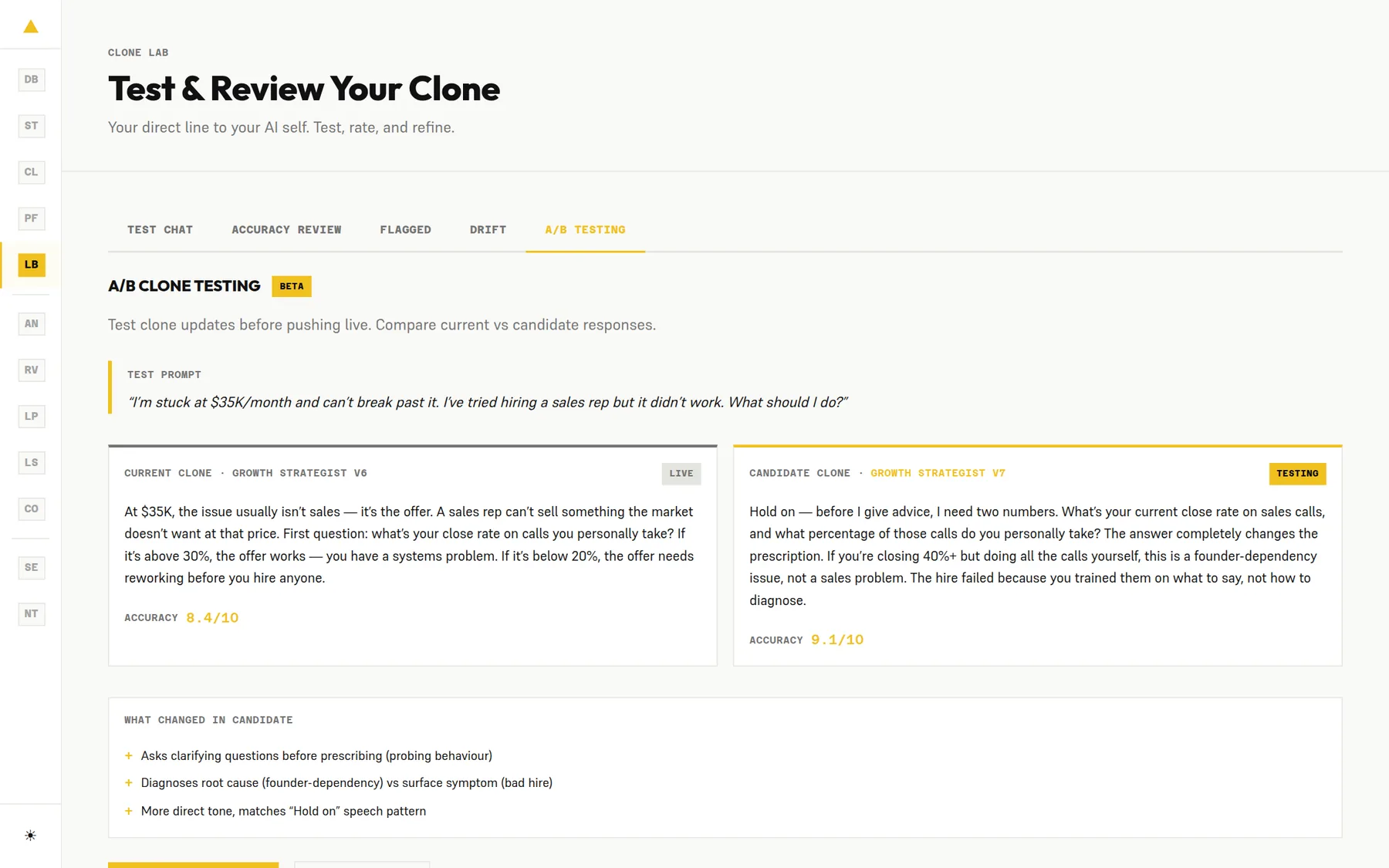
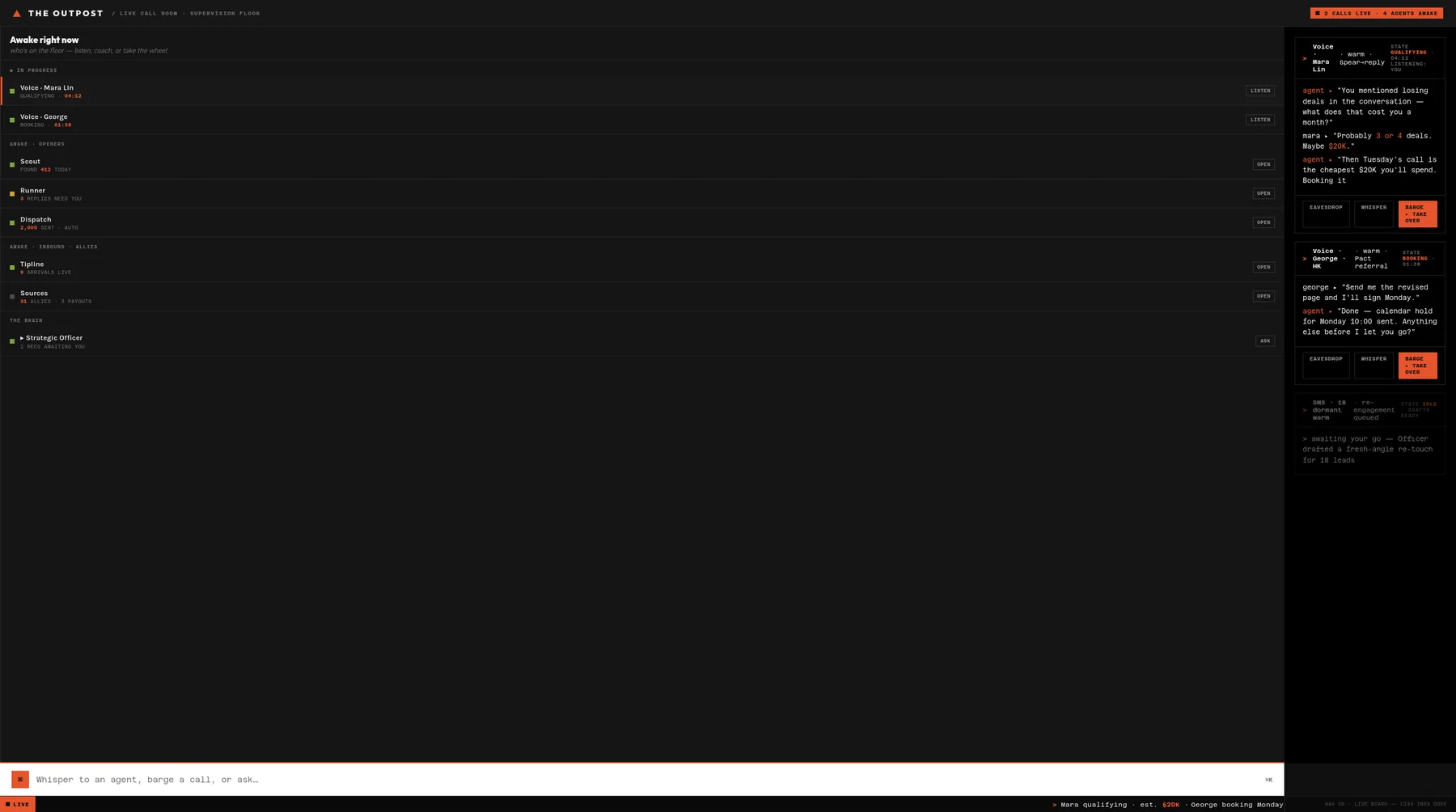
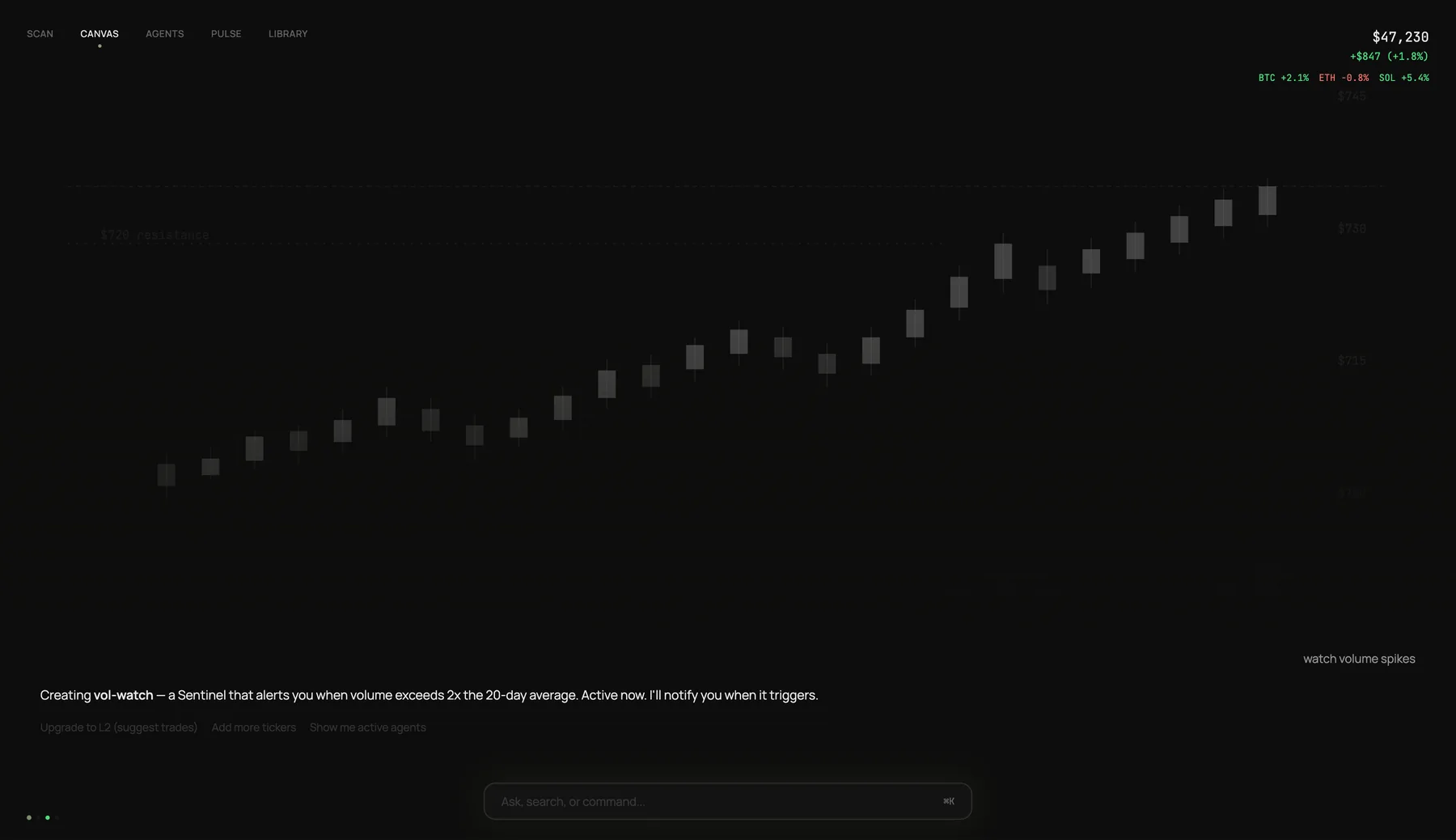
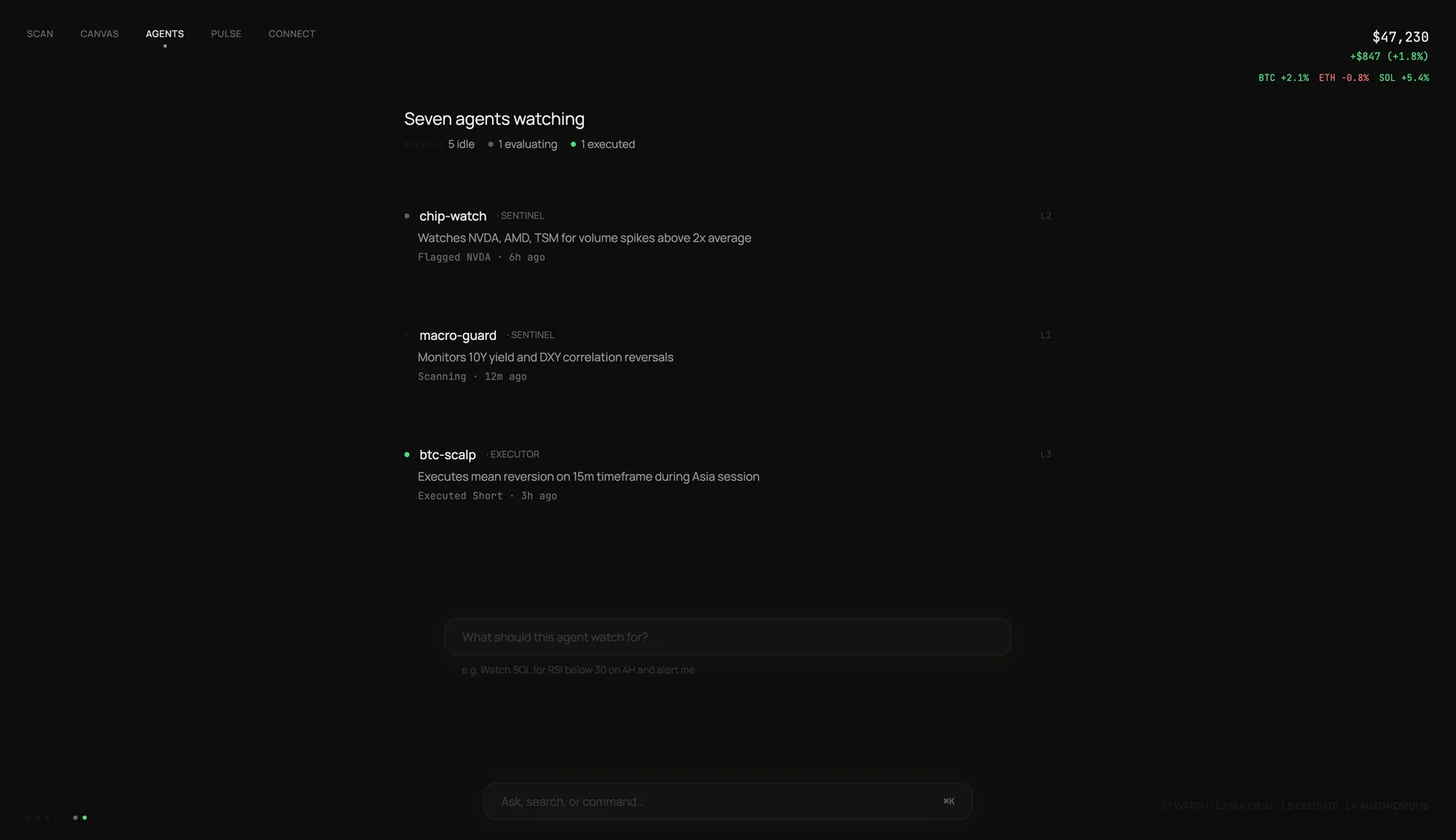
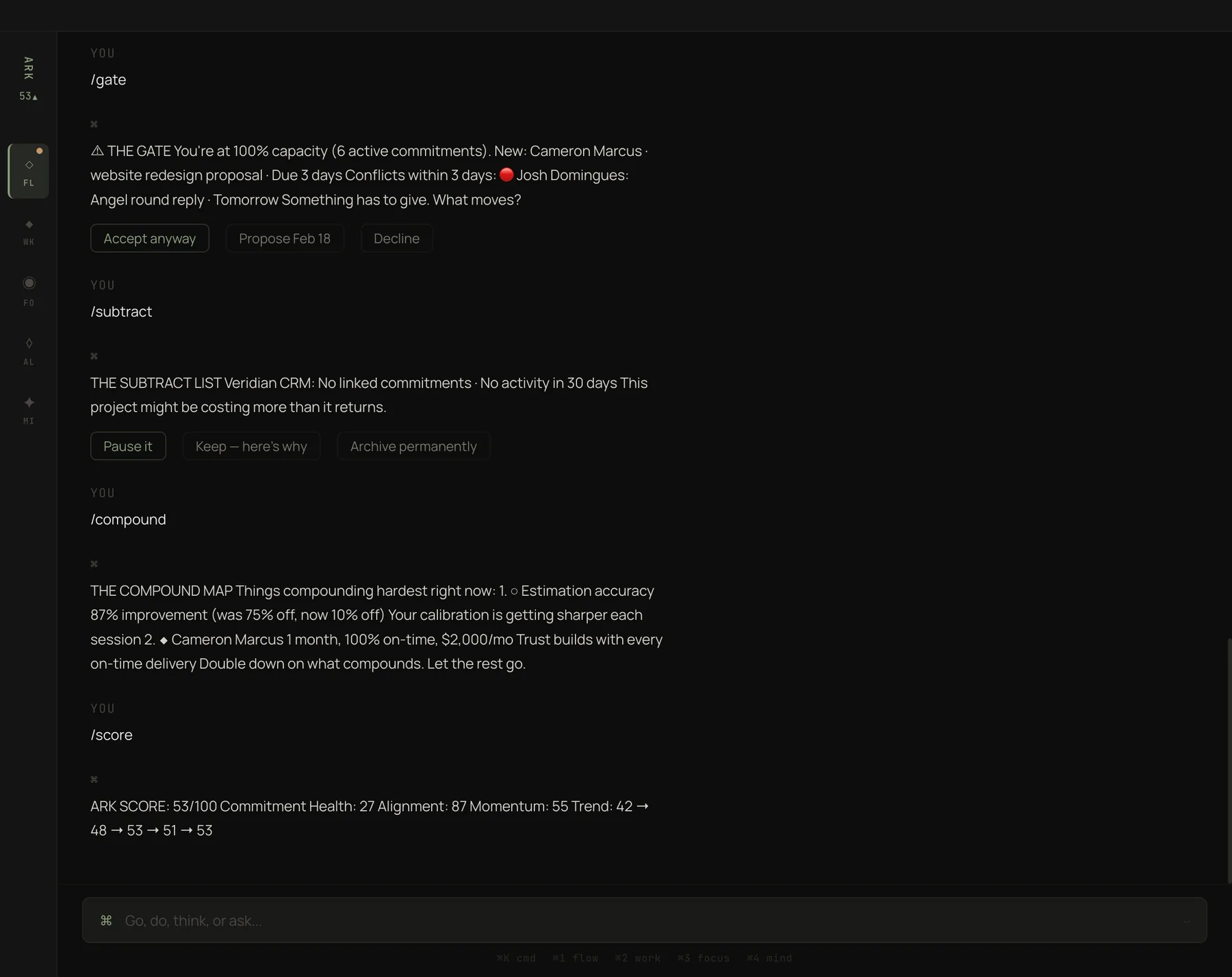
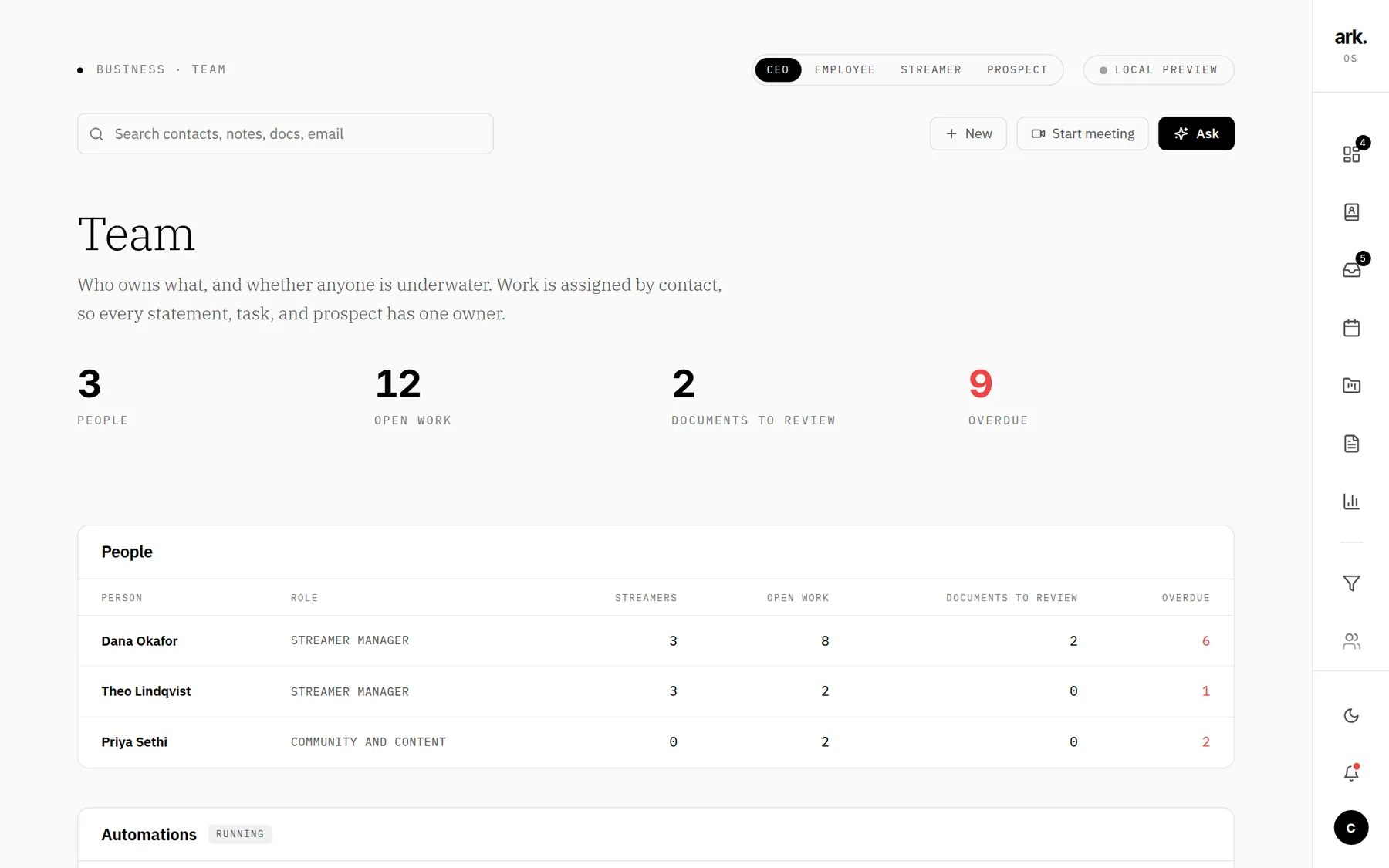
Six automations and a panel called Rules every automation follows. Five rules, all of them sensible, none of them enforced by anything I drew. In the rebuild the panel is called Guardrails the agent cannot override: a daily cap, a stop on its own error rates, and a log that shows the rules firing.
- Decisions that arrive with their evidence and two answers.
- Ranking by what will actually pay.
- A baseline for every streamer, so growth is measured.
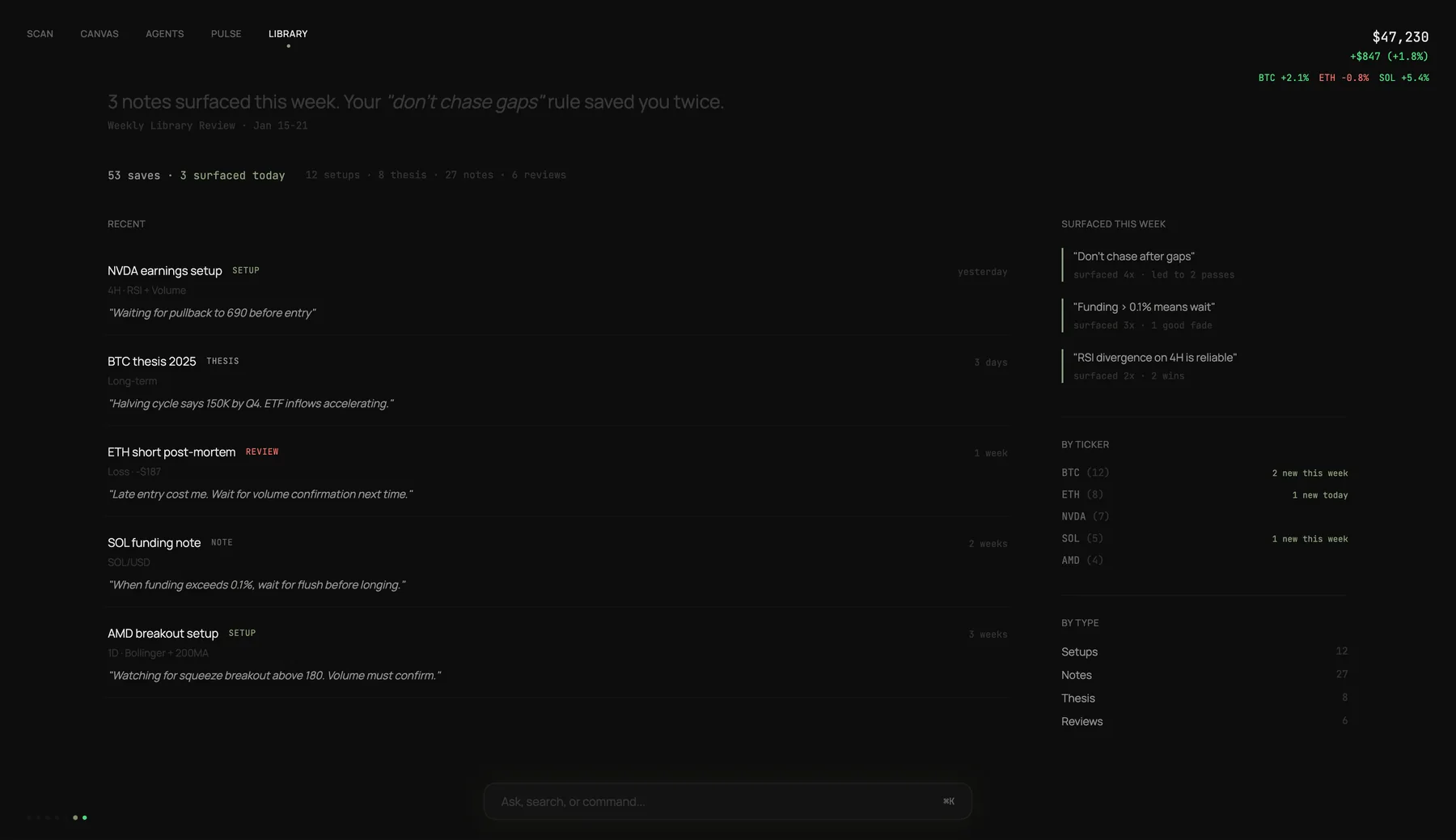
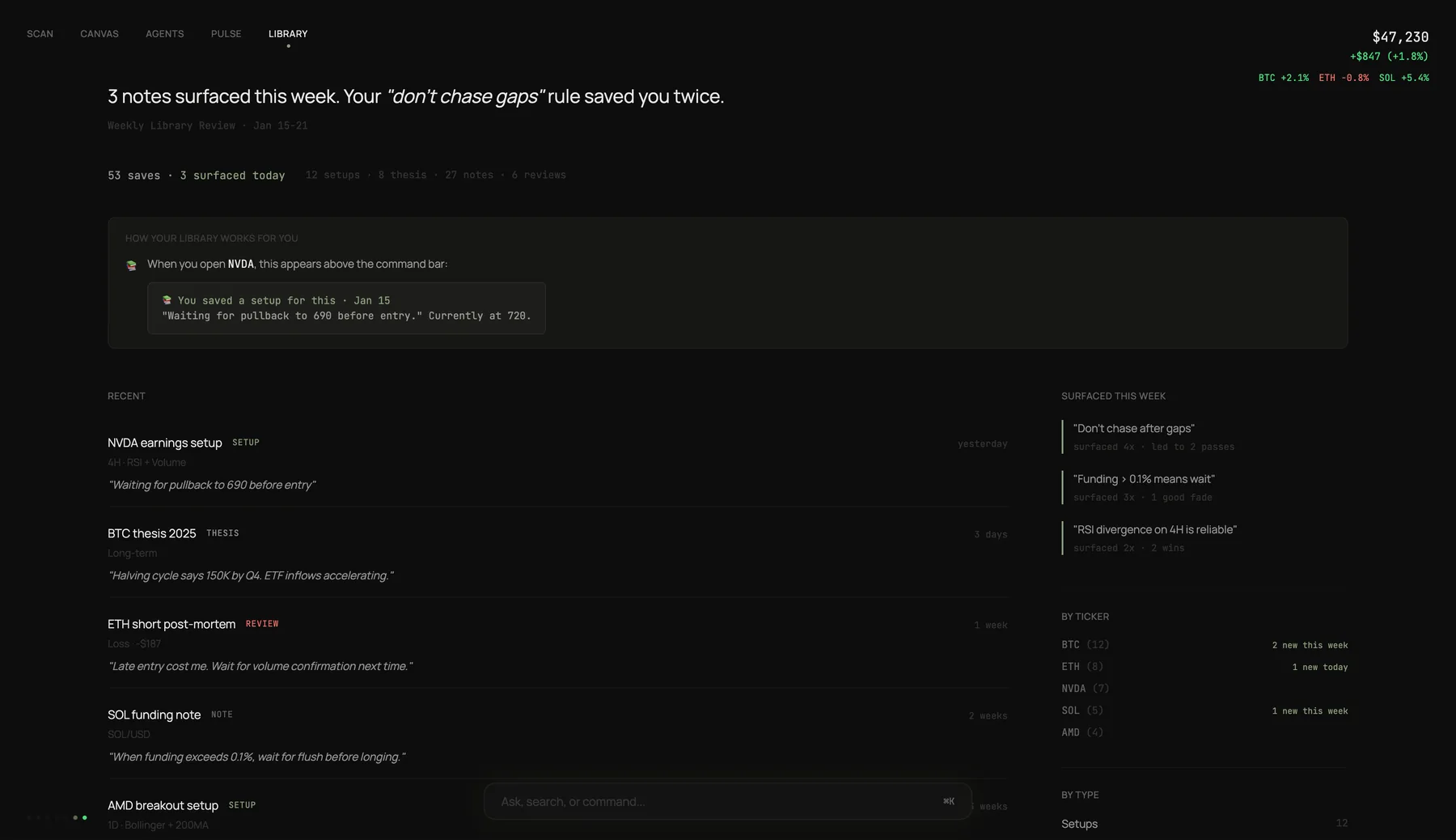
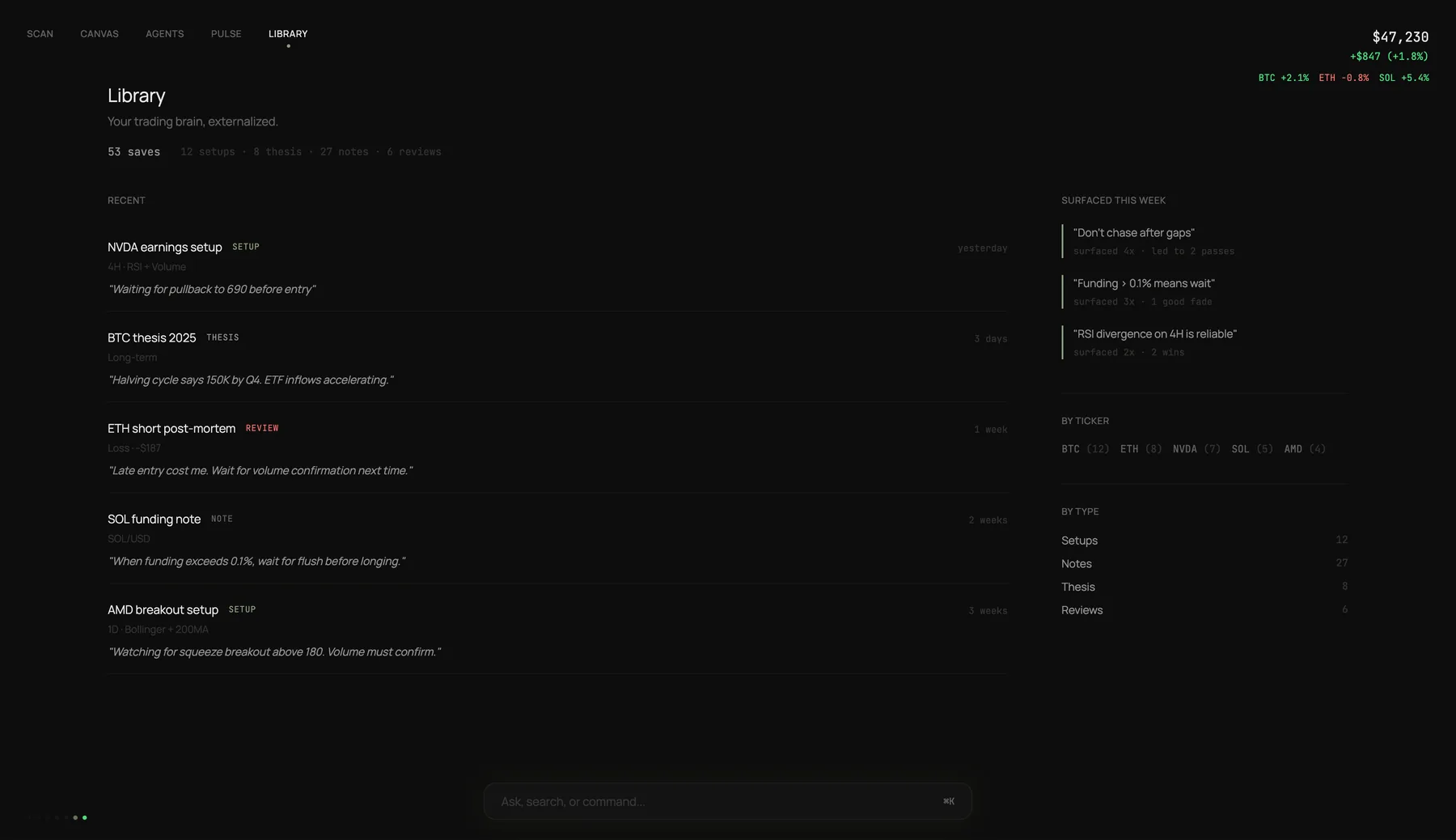
- Keeping your own record, so a dispute starts with evidence you own.
- Whose side it is on would be the first decision, not the last page.
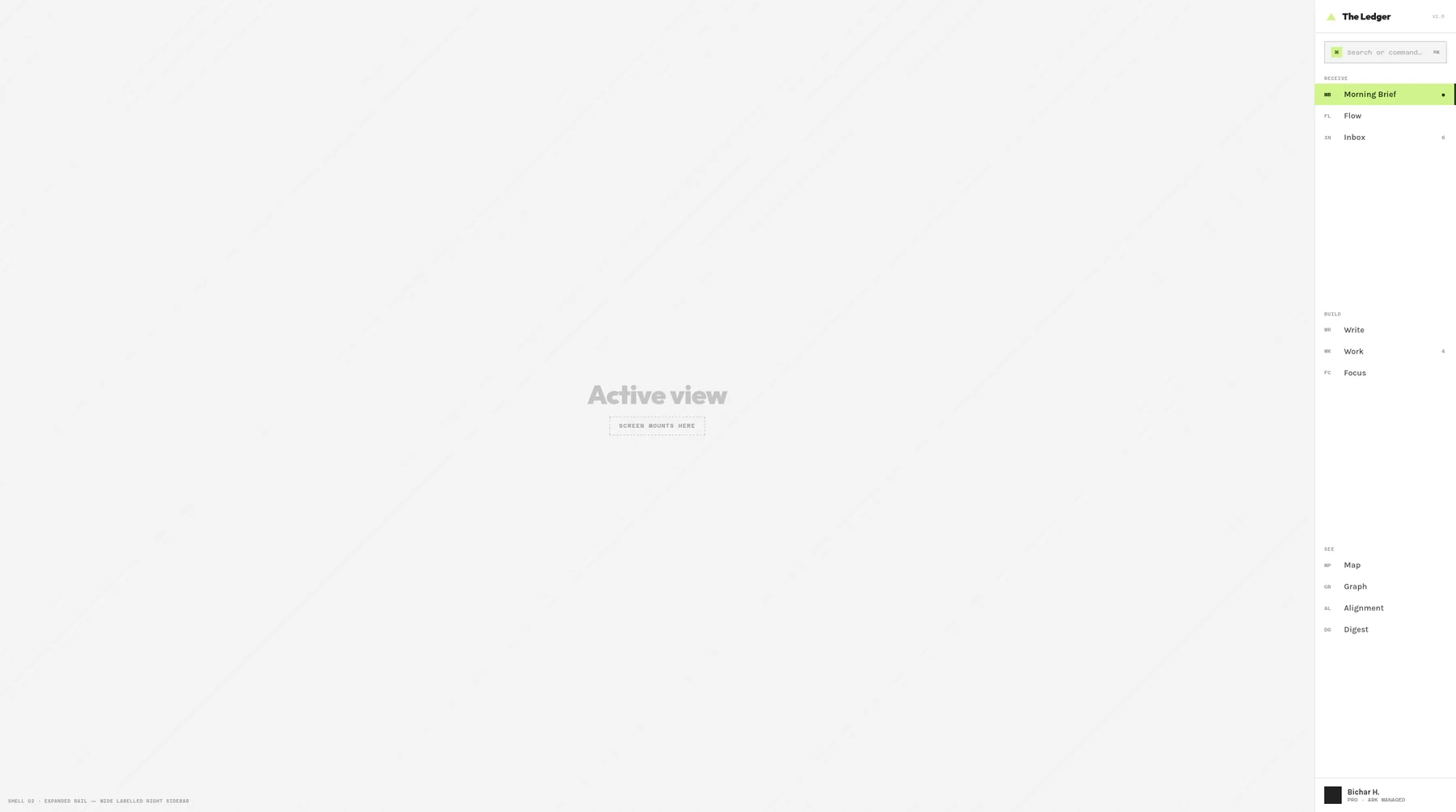
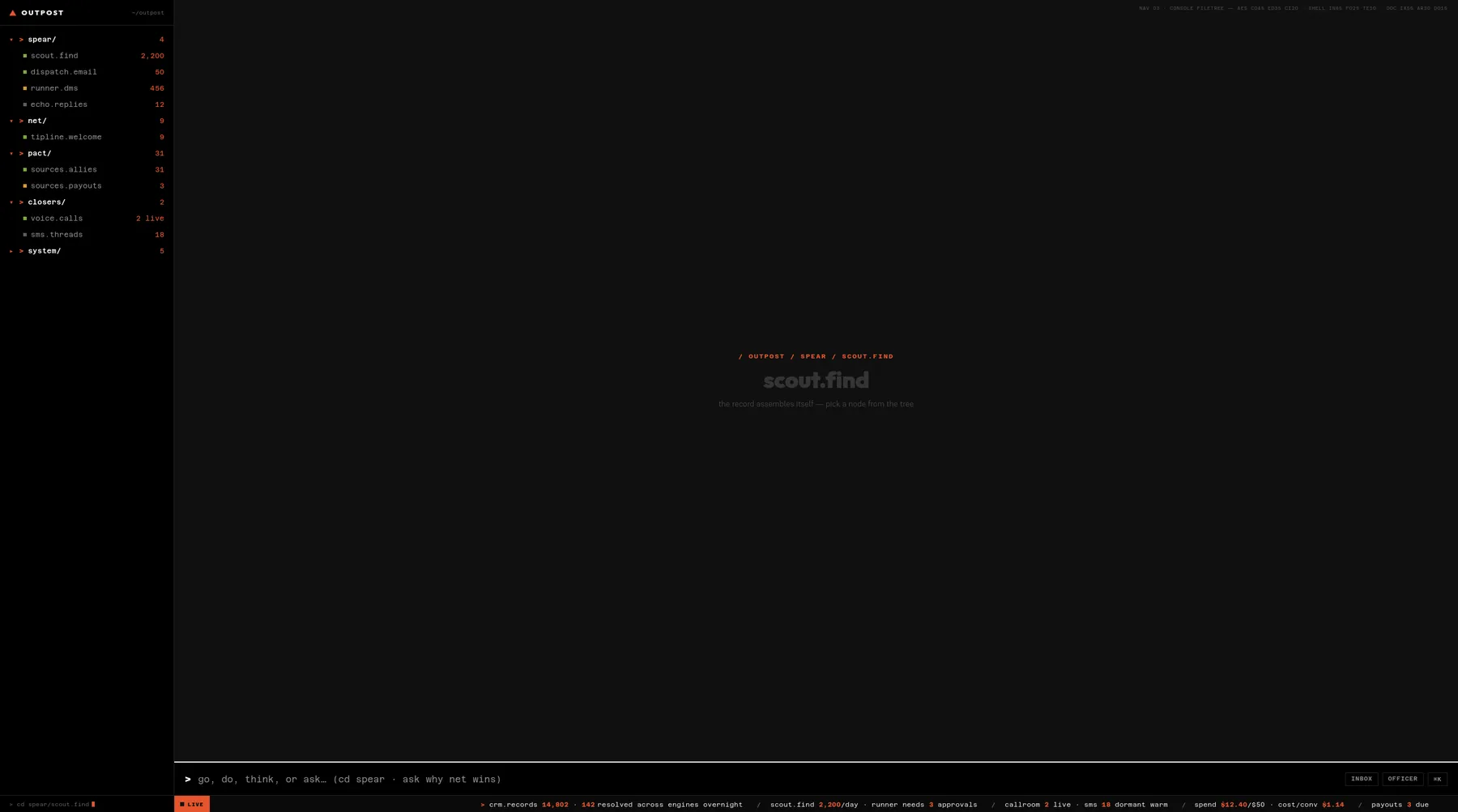
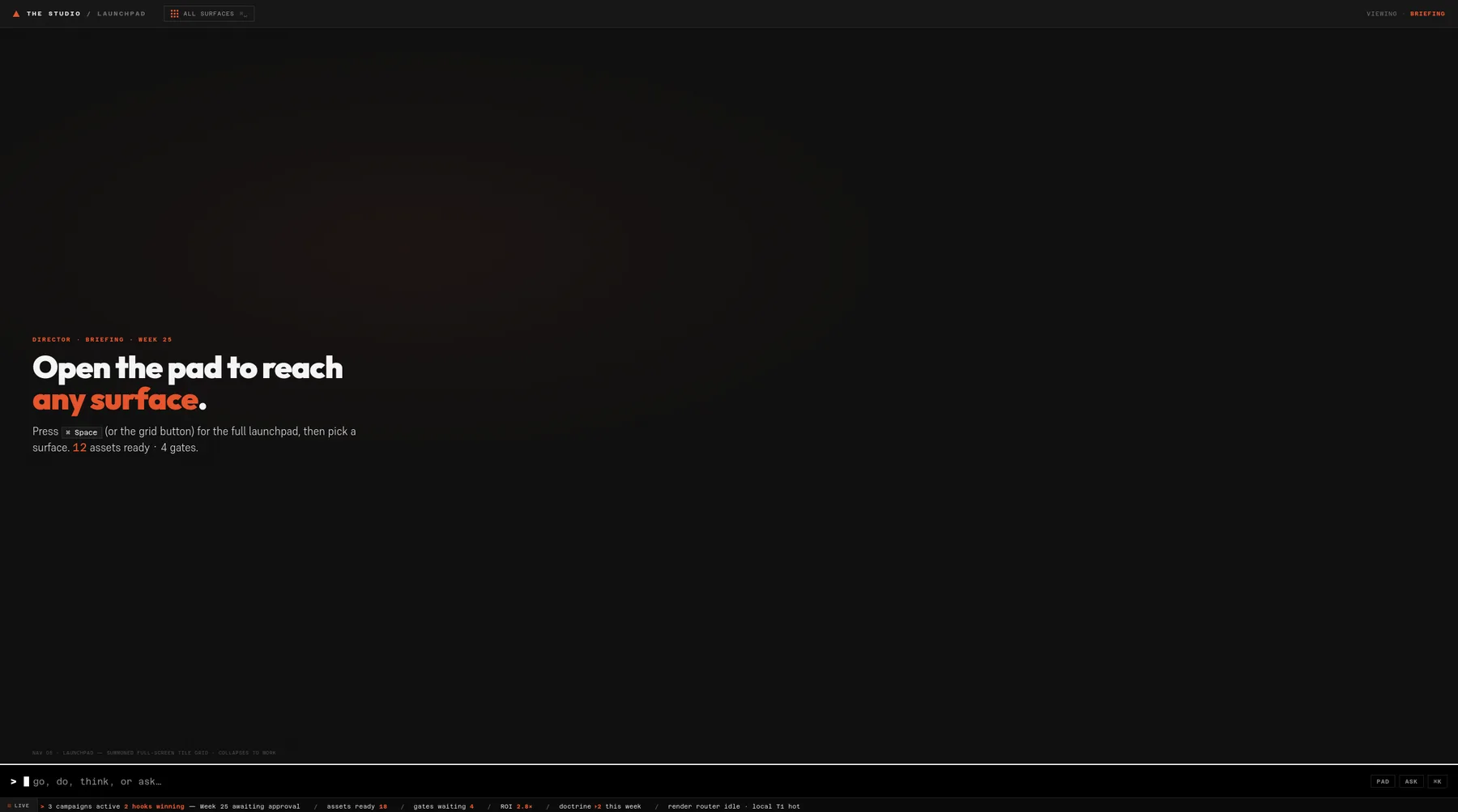
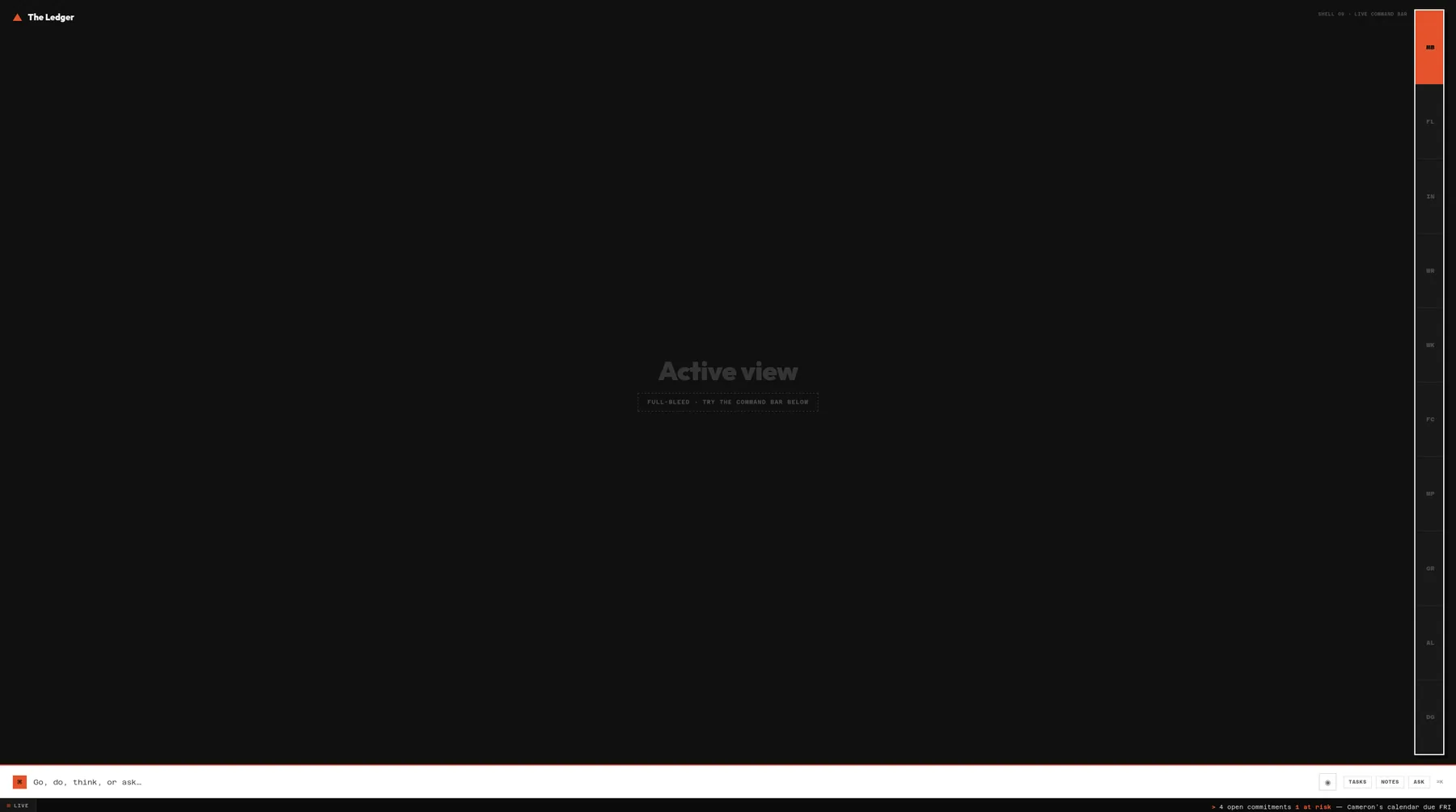
- The shell. Cards, grey panels and a rail of icons with no labels look like every other dashboard.
- Rules for an automation would be limits it cannot pass, not a list printed beside it.
I designed the software before I questioned the business. Good screens made a conflicted model look finished.
Next in the archive
ARK Code: A development tool where the agents have deadlines and the human answers questions.